Introduction
Did you know that improper installation of an LED driver can significantly shorten the lifespan of your lighting system? Understanding how to install LED driver lights correctly is crucial to ensuring your LED system operates efficiently and safely.
In this article, we will guide you through the step-by-step process of installing LED driver lights. We will cover everything from selecting the right LED driver to avoiding common installation mistakes.
By the end of this post, you will know exactly how to install LED drivers for optimal performance and longevity.
What is an LED Driver?
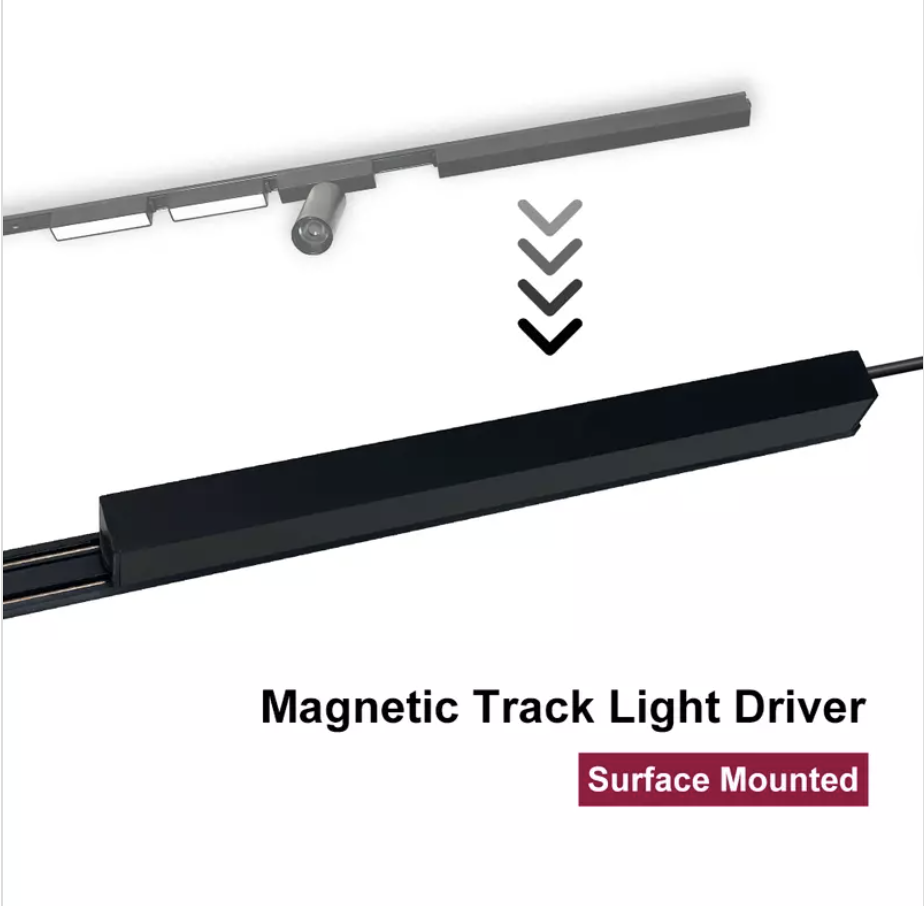
Definition of an LED Driver
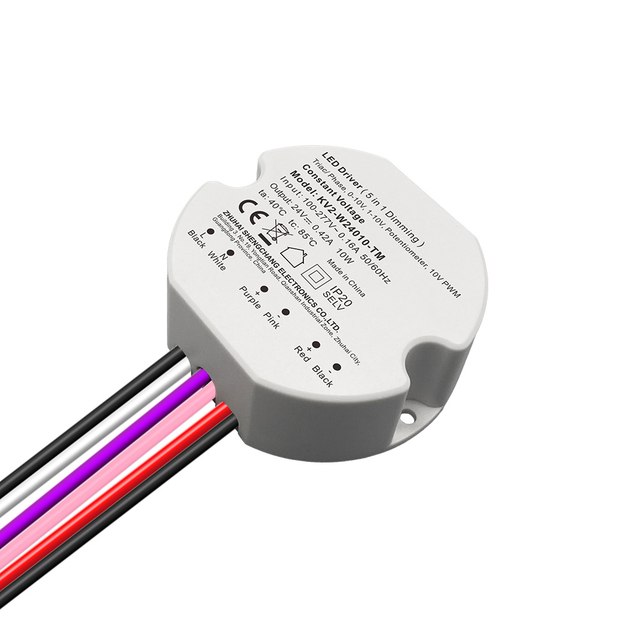
An LED driver is an electrical component designed to supply the necessary power to LEDs by converting high-voltage electrical input into a form that the LED lights can use. Unlike traditional light bulbs, LEDs require specific voltage and current levels to operate effectively. LED drivers regulate these electrical characteristics to ensure that the LEDs perform optimally without causing flickering, overheating, or premature failure.
There are two primary types of LED drivers: constant current and constant voltage. Constant current drivers are used in applications where precise regulation of current is essential, typically in high-power setups like streetlights or industrial lighting. On the other hand, constant voltage drivers are used in applications where the voltage needs to remain stable, like in LED strips or smaller-scale setups.
Functionality of an LED Driver
The LED driver performs a crucial function by ensuring that the LED lights receive the appropriate power supply. LEDs are sensitive to fluctuations in voltage or current, so they require a consistent and stable supply to avoid damage. For example, if the current exceeds the LED’s rated capacity, it could overheat and burn out quickly. Similarly, voltage fluctuations can cause the LED to flicker or operate inefficiently. A high-quality LED driver ensures that these issues are minimized by regulating the power supply to the LED lights, providing a constant flow of power that meets the LED’s requirements.
The primary task of an LED driver is to convert the incoming power from the electrical grid (usually AC) into the proper DC power that the LEDs need. The driver can also include features such as dimming control, thermal protection, and over-voltage protection to further safeguard the system.
Types of LED Drivers
Type | Description | Ideal Use Case |
Constant Current Driver | Supplies a fixed current to LEDs. Necessary for high-power systems or LEDs arranged in series that require precise current regulation. | High-power industrial, street lighting, large-scale applications |
Constant Voltage Driver | Provides a steady voltage, typically used with LEDs that require consistent voltage for optimal operation. Works best in parallel configurations like LED strips. | Low-power systems, LED strips, signage |
Why Choose an LED Driver?
Importance of LED Drivers in Lighting Systems
LED drivers are essential for the proper functioning of LED lights. Unlike traditional incandescent bulbs, LEDs cannot directly connect to power sources without a driver because they require specific current and voltage conditions to work efficiently. The driver acts as a middleman between the LED light and the power source, converting the incoming power into a usable format for the LED. Without the right driver, the LEDs may perform poorly, have a short lifespan, or fail to operate at all.
An LED driver also plays a significant role in maintaining the quality of light output. It helps to avoid issues like flickering, dimming, or inconsistent light levels, which can be frustrating in both residential and commercial settings.
Benefits of Proper LED Driver Installation
A correctly installed LED driver provides several benefits:
● Energy Efficiency: LED drivers are designed to optimize the use of electrical power, ensuring that only the necessary amount of power is consumed by the LEDs. This leads to reduced energy wastage, helping lower electricity bills.
● Longer LED Lifespan: By regulating the power and ensuring that the LEDs operate within safe limits, the LED driver extends the lifespan of the lights. Proper installation helps protect the LEDs from power surges and voltage fluctuations that could otherwise reduce their operational life.
● Consistent Light Quality: A good driver provides a stable current and voltage, ensuring that the LEDs produce consistent brightness without flickering or dimming. This is particularly important in settings where precise lighting is needed, such as offices, retail spaces, and factories.
Common Mistakes to Avoid During Installation
Although installing LED drivers is relatively straightforward, there are several common mistakes to avoid:
● Incorrect Driver Selection: Choosing the wrong type of driver for your LEDs can cause inefficiency, poor performance, or even damage to the LEDs. Ensure that you choose a constant current driver for high-power LEDs and a constant voltage driver for low-power LEDs.
● Improper Wiring: The correct wiring and connections are crucial for the safe and efficient operation of the LED driver and lights. Incorrect wiring can lead to short circuits or potential electrical hazards.
● Overloading the Driver: It’s important not to exceed the driver’s maximum load capacity. Overloading can cause overheating, reduce performance, or even cause the driver to fail completely.
Key Features of an LED Driver
Voltage and Current Regulation
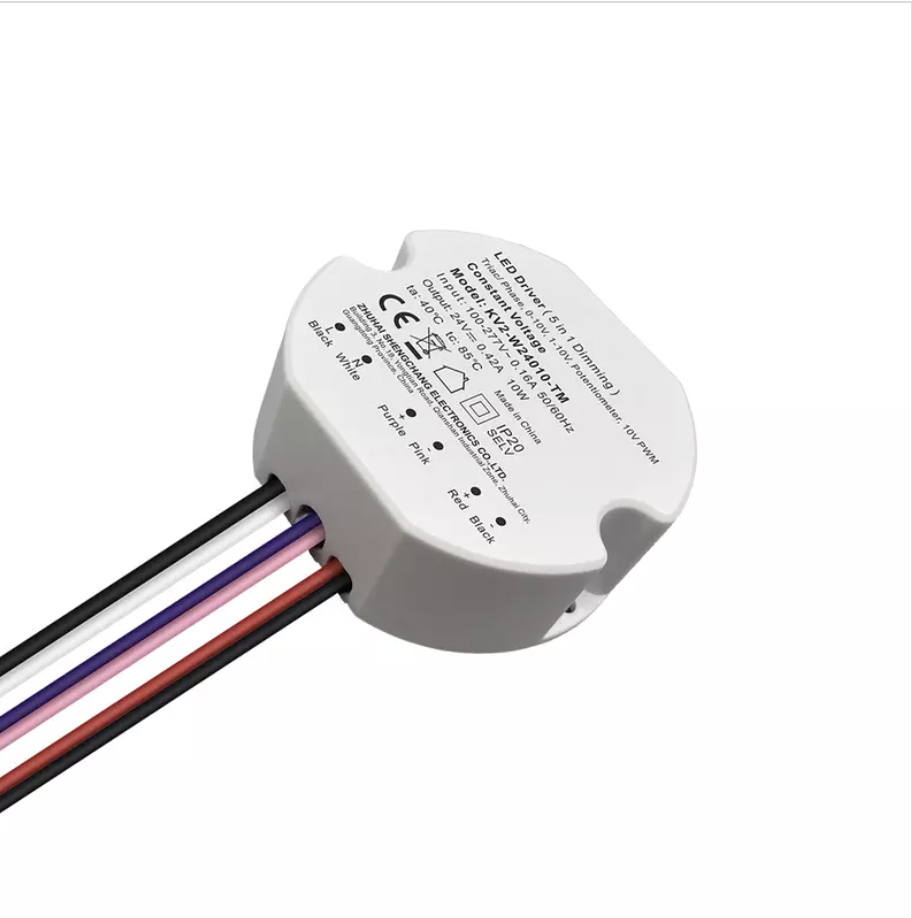
One of the most important features of an LED driver is its ability to regulate both voltage and current. Constant current drivers ensure that the LEDs receive a precise amount of current, preventing excessive current from damaging the LEDs. In contrast, constant voltage drivers maintain a steady voltage output, ensuring that the LEDs receive a consistent supply of power.
It’s important to understand the voltage and current specifications of your LED system before selecting a driver. High-power systems typically require constant current drivers to ensure stable performance, while low-power setups such as LED strips may work best with constant voltage drivers.
Efficiency
Efficiency is a key consideration when selecting an LED driver. High-efficiency drivers minimize energy waste, which reduces electricity costs and extends the lifespan of both the driver and the LEDs. LED drivers that operate with high efficiency also generate less heat, reducing the risk of overheating and damage to the system. Choosing a driver with good efficiency will save money in the long run by reducing energy consumption and lowering maintenance costs.
When comparing LED drivers, look for models that have high efficiency ratings and that can operate with minimal heat production. These drivers will ensure the LEDs continue to run at optimal levels without excessive wear and tear.
Compatibility with Different LED Lights
The driver you choose must be compatible with your LED lights in terms of both voltage and current ratings. Mismatched drivers can lead to subpar performance, flickering, or failure to light up altogether. Always check the specifications of both the driver and the LED lights before installation.
For example, if you are using LED strips that require a constant voltage, make sure to choose a constant voltage driver that matches the voltage requirements of the strips. Similarly, for high-power LED systems used in commercial or industrial applications, a constant current driver is necessary to maintain consistent performance and avoid damaging the LEDs.
How to Choose the Right LED Driver?
Understand the Power Requirements of Your LEDs
The first step in selecting the right LED driver is to understand the power needs of your LED lights. Check the voltage and current specifications of the LEDs, as well as the total wattage required. If you’re using a high-power LED system, you will likely need a constant current driver. For low-power setups, a constant voltage driver is usually sufficient.
It’s also important to consider the total wattage of the LED system when selecting a driver. Ensure that the driver can handle the total power load and provide enough output to support the full lighting system. Underpowered drivers may lead to performance issues or cause the system to fail.
Consider Efficiency and Lifespan
Look for LED drivers that offer high efficiency and a long lifespan. High-efficiency drivers help reduce energy consumption and operating costs, which is especially important for large-scale installations. A longer lifespan for the driver means fewer replacements and less maintenance over time, saving money in the long run.
Some LED drivers also offer advanced features like dimming control, surge protection, and thermal protection, which can further extend their lifespan and improve system performance.
Environmental Considerations
When selecting an LED driver, consider the environment in which it will be installed. For example, if the system will be installed outdoors or in a dusty or humid environment, look for a driver with a high IP (Ingress Protection) rating. An IP-rated driver ensures that the driver can withstand environmental conditions such as moisture, dust, and temperature extremes.
Conclusion
In this article, we explored the essential steps for installing LED driver lights, emphasizing the importance of proper installation. We also highlighted key factors in selecting the right LED driver, considering system compatibility and performance. For those seeking reliable and efficient solutions, Zhuhai Shengchang Electronics Co., Ltd. offers high-quality LED drivers tailored to your lighting needs. Their products provide exceptional value by enhancing efficiency and ensuring longevity for any lighting system.
FAQ
Q: What is an LED driver and why is it important for installing LED lights?
A: An LED driver regulates the current and voltage to ensure that LED lights operate efficiently. It’s essential for controlling power and maintaining longevity.
Q: How do I choose the right LED driver for my lighting system?
A: Choose an LED driver based on your light's voltage, power needs, and the type of system you're using. Ensure compatibility for efficient performance.
Q: Can I use a constant voltage LED driver for all types of LED lights?
A: No, constant voltage drivers are only suitable for LED systems with a consistent voltage requirement. For high-power applications, constant current drivers are necessary.
Q: How can I test the efficiency of my LED driver?
A: You can measure the LED driver’s efficiency using testing methods like measuring input vs. output power. Tools for testing LED driver efficiency can provide detailed results.
Q: What tools do I need for LED driver functionality testing?
A: Tools for testing LED drivers include multimeters and power analyzers. These tools allow you to check voltage, current, and functionality for proper installation.
Q: How do I troubleshoot a malfunctioning LED driver?
A: To troubleshoot, check for visible signs of damage, measure output voltage, and use a multimeter to verify functionality. Proper LED driver setup and maintenance are key.
Q: What is the cost difference between constant current and constant voltage LED drivers?
A: Constant current LED drivers are typically more expensive due to their precision and complexity, while constant voltage drivers are more cost-effective for simpler systems.