Introduction
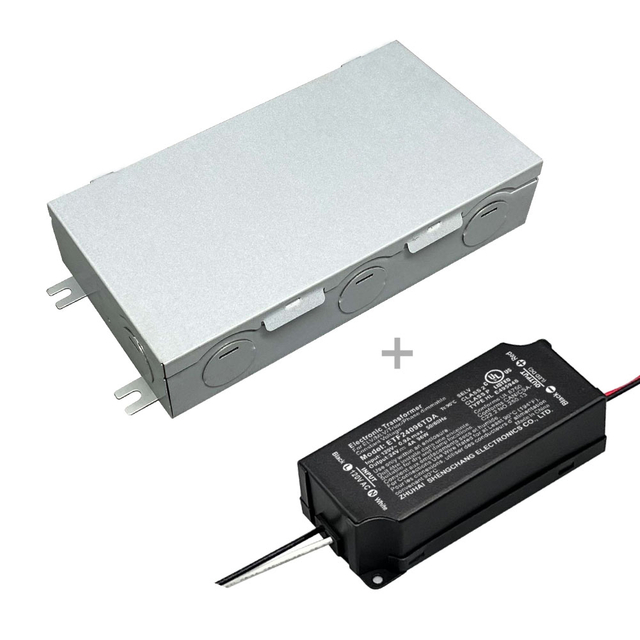
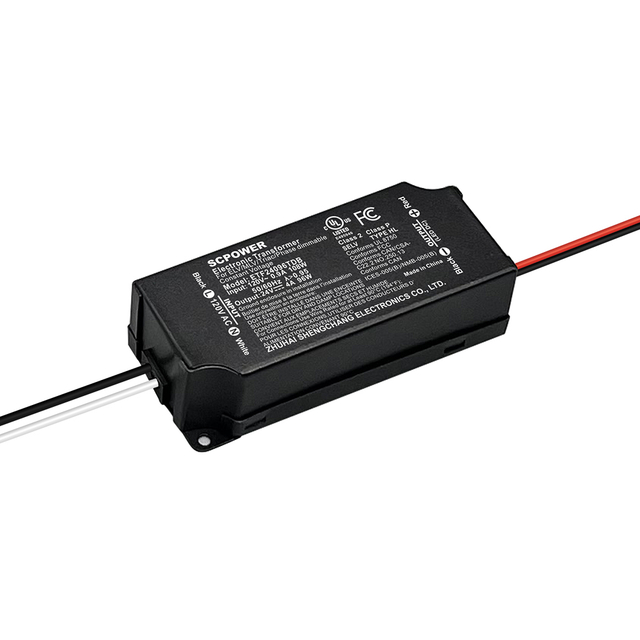
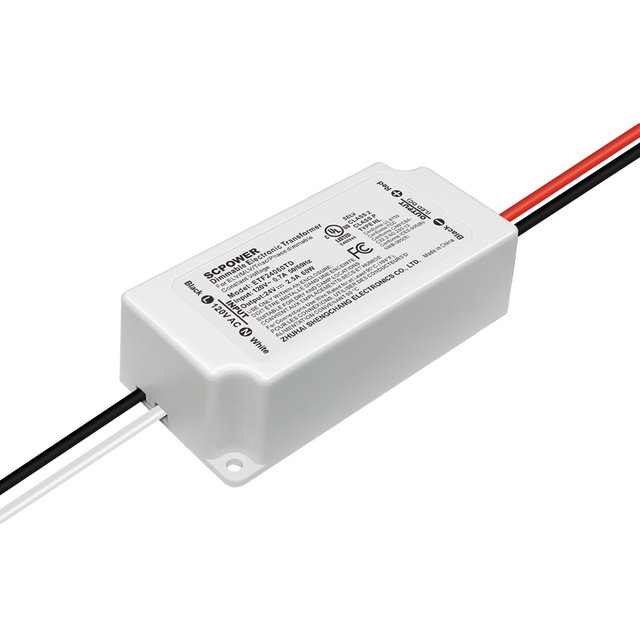
Are you tired of flickering lights and high energy bills? Choosing the right LED transformer can make all the difference. In this article, we'll explore what LED transformers are, why selecting the right one is crucial, and the latest trends in the LED market. Get ready to illuminate your space efficiently!
Understanding the LED Transformer Market
Current Trends in LED Transformer Technology
The LED transformer market is rapidly evolving, driven by the increasing demand for energy-efficient lighting solutions. Key trends include the development of smart transformers that integrate with home automation systems, allowing users to control lighting remotely. These transformers often feature dimming capabilities, enhancing user experience and energy savings. Additionally, manufacturers are focusing on compact designs, enabling easier installation in various applications, from residential to commercial spaces.
Another notable trend is the rise of eco-friendly materials in transformer manufacturing. As sustainability becomes a priority, more companies are exploring ways to reduce their environmental impact, such as using recyclable materials and minimizing energy consumption during production. This shift not only meets consumer demand but also aligns with global efforts to combat climate change.
Projections for the LED Transformer Market by 2025
Market analysts predict significant growth in the LED transformer industry, with projections suggesting it could surpass $8 billion by 2025. This growth is attributed to the increasing adoption of LED technology across various sectors, including residential, commercial, and industrial applications. As energy costs continue to rise, more consumers and businesses are expected to transition to LED lighting, further driving the demand for compatible transformers.
Moreover, advancements in technology are likely to introduce innovative products that enhance efficiency and performance. For instance, the integration of IoT (Internet of Things) capabilities in transformers will enable real-time monitoring and control, leading to smarter energy management. As a result, consumers will have greater flexibility and control over their lighting systems, contributing to increased market growth.
Impact of Energy Efficiency on Transformer Demand
Energy efficiency is a critical factor influencing the demand for LED transformers. As energy costs rise and environmental concerns grow, consumers are more inclined to invest in high-efficiency transformers that reduce energy consumption and lower utility bills. According to the U.S. Department of Energy, energy-efficient lighting can reduce energy usage by up to 75%, making the choice of transformer essential for maximizing these benefits.
Furthermore, government regulations and incentives aimed at promoting energy efficiency are expected to bolster the market for high-performance transformers. Many regions are implementing stricter energy efficiency standards, pushing manufacturers to innovate and improve their products. This regulatory landscape not only drives demand for efficient transformers but also fosters competition among manufacturers to deliver superior solutions.
Key Factors to Consider When Selecting an LED Transformer
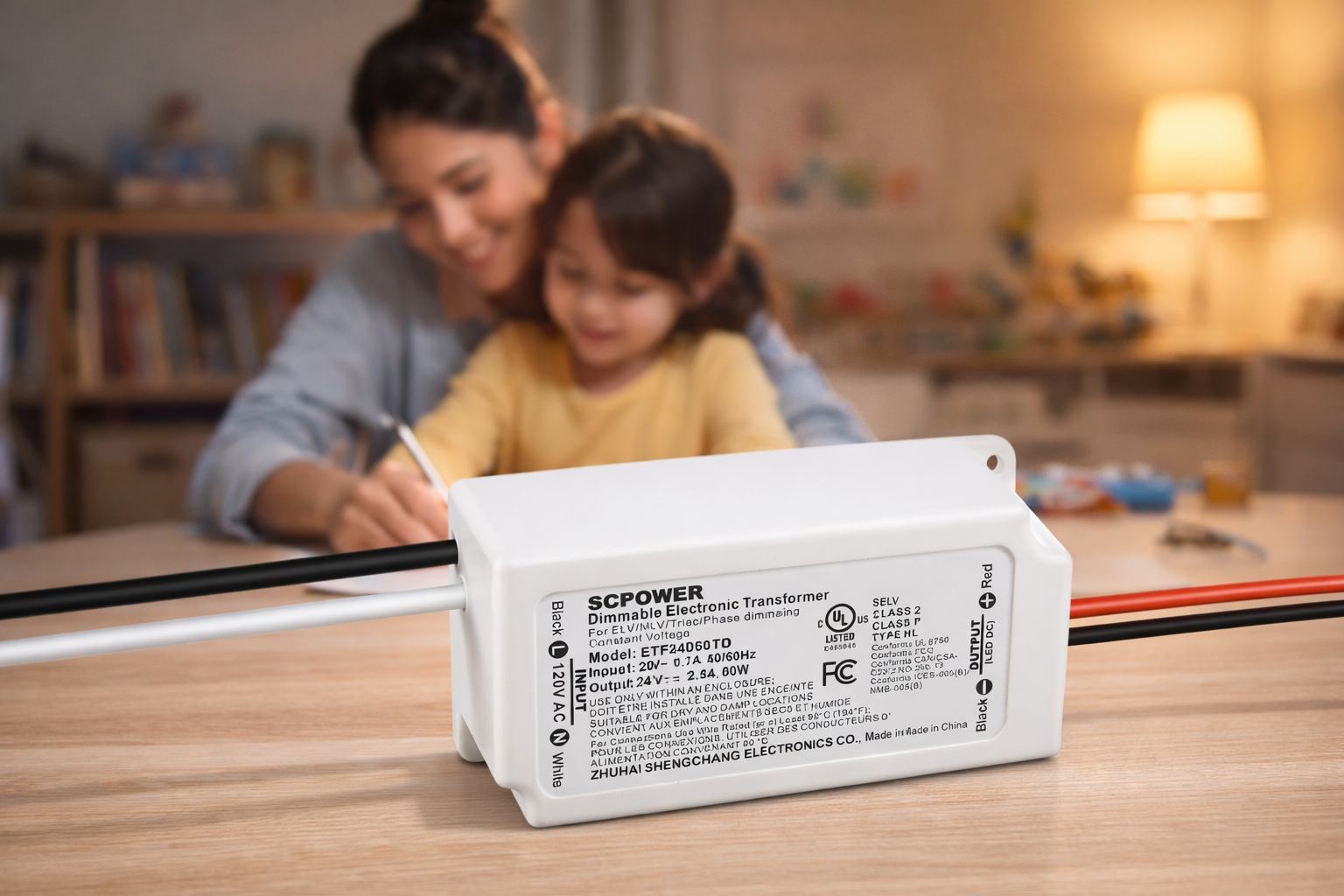
When it comes to selecting the right LED transformer for your lighting projects, several key factors can significantly impact performance and compatibility. Understanding these aspects ensures that your LED lighting operates efficiently and effectively.
Power Rating and Wattage Requirements
First and foremost, calculate the total wattage of your LED strip lights. This is crucial because an underpowered transformer can lead to flickering lights or even burnt-out bulbs. To determine the appropriate power rating, add up the wattage of all LED strips you plan to use. For example, if you have a 5-meter LED strip consuming 4.8 watts per meter, the total wattage would be 24 watts. It's advisable to select a transformer with a power rating that exceeds this total by at least 10-20% to avoid overloading and ensure longevity.
Voltage Compatibility: 12V vs 24V
Next, consider the voltage compatibility between your LED strips and the transformer. Most LED strips operate at either 12V or 24V. It's critical to match the transformer voltage to that of the LED strips. Mismatched voltages can result in poor performance or damage to the lighting system. For instance, if you’re using a 12V LED strip, your transformer must also be rated for 12V. Always check the product specifications to confirm compatibility before making a purchase.
Dimming Capabilities and Features
Dimming capabilities are another essential consideration. Many modern LED transformers support dimming, allowing you to adjust brightness levels based on your preferences or the room’s ambiance. If you plan to use dimmers, ensure your transformer is compatible. There are different types of dimming options available, such as TRIAC, DALI, or 1-10V dimmers, so choose according to your needs. Additionally, some transformers come with smart features, enabling remote control and integration with home automation systems, which can enhance usability and energy management.
Comparative Analysis of Transformer Types
When it comes to selecting an LED transformer, understanding the differences between electronic and magnetic transformers is essential. Each type has its unique characteristics, advantages, and best use cases, which can significantly influence your lighting projects.
Electronic Transformers vs Magnetic Transformers
Electronic transformers are generally smaller and lighter than their magnetic counterparts. They are designed to efficiently convert higher voltage AC power to low voltage DC power suitable for LED lighting. One of the standout features of electronic transformers is their high efficiency, often reaching up to 90%. This efficiency translates to less energy waste and longer lifespan for your LED lights. They are ideal for low-voltage LED applications, particularly where space is limited.
On the other hand, magnetic transformers are typically bulkier and heavier. They operate on electromagnetic induction and are favored for high-power applications. While they generally operate at around 80% efficiency, they can handle larger loads and are often more robust. Magnetic transformers are suitable for applications where durability is a priority, such as in outdoor or industrial settings.
Efficiency Ratings of Different Transformer Types
Efficiency ratings are crucial when comparing transformer types. Higher efficiency ratings indicate better performance and lower energy consumption, which is a significant consideration for both environmental impact and utility costs. Electronic transformers usually boast superior efficiency ratings, making them a popular choice for residential and commercial LED lighting projects.
In contrast, while magnetic transformers may offer lower efficiency, they can still be a viable option for specific applications where higher wattage is required. For example, in situations where multiple high-wattage LED fixtures are used, a magnetic transformer may be the better choice despite its lower efficiency rating.
Best Use Cases for Each Transformer Type
Choosing the right transformer type depends on the specific requirements of your project. Here are some guidelines:
Electronic Transformers: Best for low-voltage LED strips, especially in residential settings. Use them when space is a concern or when you need dimming capabilities. Their compact size makes them easier to install in tight spaces.
Magnetic Transformers: Ideal for high-power applications, such as commercial lighting or outdoor installations. They are more robust and can handle larger loads, making them suitable for applications requiring durability and reliability.
In summary, understanding the distinctions between electronic and magnetic transformers allows you to make informed choices that align with your lighting needs. By assessing factors like efficiency, load requirements, and installation space, you can select the transformer type that best suits your project.
The Role of Efficiency Ratings in LED Transformers
When selecting an LED transformer, understanding efficiency ratings is essential for optimizing performance and energy consumption. Efficiency ratings indicate how well a transformer converts input energy into usable output. A higher efficiency rating means less energy is wasted, which translates into lower electricity bills and a reduced environmental impact.
Understanding Efficiency Ratings
Efficiency ratings for LED transformers typically range from 80% to over 90%. For instance, a transformer rated at 90% efficiency converts 90% of the energy it consumes into usable power for your LED lights. This is crucial because, according to the U.S. Department of Energy, about 20% of energy used in homes goes towards lighting. By choosing a high-efficiency transformer, you can significantly decrease this figure and enhance your overall energy savings.
Benefits of High-Efficiency Transformers
Investing in high-efficiency transformers offers numerous benefits:
Cost Savings: Higher efficiency means lower energy consumption, which directly reduces utility bills. Over time, the savings can be substantial, offsetting the initial investment in a more efficient transformer.
Longevity: High-efficiency transformers tend to generate less heat, which can prolong the lifespan of both the transformer and the connected LED lights. This durability reduces the frequency of replacements and maintenance.
Environmental Impact: By using less energy, high-efficiency transformers contribute to lower carbon emissions. This aligns with global sustainability goals and helps combat climate change.
Performance Reliability: These transformers often provide stable power output, ensuring consistent performance of LED lights. This reliability enhances the overall lighting experience.
Recognized Efficiency Certifications
When evaluating transformer options, look for recognized efficiency certifications. Common certifications include:
Transformers carrying these certifications have undergone rigorous testing. They meet high efficiency and performance criteria, offering peace of mind for consumers and professionals alike.
Choosing a transformer with a recognized efficiency certification not only guarantees quality but also supports your commitment to energy efficiency.
Cost vs Performance: Balancing Budget and Quality in Your Lighting Projects
When it comes to selecting the right LED transformer, finding the balance between cost and performance is crucial. The initial price of a transformer can be tempting, but it’s essential to consider the long-term implications of your choice. A lower-cost transformer may save you money upfront, but it can lead to poor performance, inconsistent lighting, and potential safety hazards.
Balancing Budget and Quality
Investing in high-quality LED transformers often pays off in the long run. Quality transformers typically come with better warranties and performance ratings, which can provide peace of mind. They are designed to handle the demands of LED lighting systems more effectively, reducing the risk of issues like flickering or burnout.
Moreover, consider the energy efficiency of the transformer. A higher upfront cost for a more efficient model can be offset by lower electricity bills over time. High-quality transformers often consume less energy, which translates to savings on your utility bills. This is particularly important as energy costs continue to rise.
Long-Term Savings from High-Quality Transformers
Quality transformers not only enhance performance but also contribute to longevity. They tend to generate less heat, which can prolong the life of both the transformer and the connected LED lights. This durability reduces the frequency of replacements and maintenance, ultimately saving you money.
For example, a high-quality transformer rated at 90% efficiency can significantly reduce energy consumption compared to a standard model rated at 80%. Over time, the savings from lower energy usage can add up, making the higher initial investment worthwhile.
Common Pitfalls in Choosing Low-Cost Options
While it may be tempting to opt for a cheaper transformer, this decision can lead to several pitfalls. Low-cost options often lack essential features, such as dimming capabilities or compatibility with smart home systems. Additionally, they may not meet safety standards, leading to potential hazards.
Another common issue is the lack of support and warranty coverage. Many budget transformers come with limited or no warranty, leaving you unprotected if something goes wrong. This can lead to additional costs down the line if you need to replace a faulty unit.
In summary, when selecting an LED transformer, weigh the initial cost against the potential long-term benefits. Prioritize quality and efficiency to ensure a reliable and effective lighting solution that meets your needs.
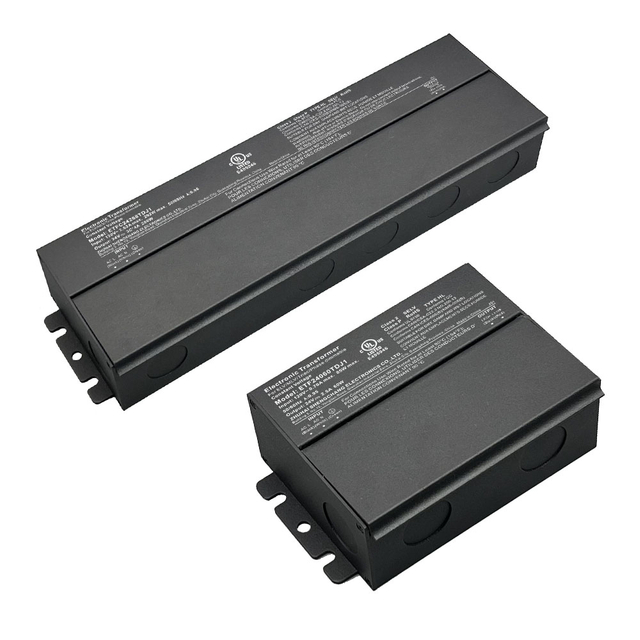
Installation and Maintenance of LED Transformers
When it comes to LED transformers, proper installation and maintenance are crucial for ensuring optimal performance and longevity. Whether you're a DIY enthusiast or a professional electrician, following the right steps can prevent common issues and enhance the efficiency of your lighting system.
Steps for Proper Installation
Calculate Power Requirements: Before installation, determine the total wattage of your LED strips. This will guide you in selecting a transformer that can handle the load. For instance, if you have a 5-meter LED strip consuming 4.8 watts per meter, you'll need a transformer rated for at least 24 watts, plus a safety margin of about 10-20%.
Choose the Right Location: Install the transformer in a well-ventilated area to prevent overheating. Avoid placing it in enclosed spaces or near heat sources. Ensure it's easily accessible for future maintenance.
Connect Properly: Follow the manufacturer’s instructions for wiring. Ensure the transformer’s output voltage matches that of the LED strips (12V or 24V). Use appropriate connectors and ensure all connections are secure to avoid flickering or failure.
Test the System: Once installed, power on the system to check for proper functionality. Look for any flickering lights or unusual behavior, which may indicate a wiring issue or an incompatible transformer.
Common Installation Mistakes to Avoid
Underestimating Wattage Needs: A common mistake is selecting a transformer with insufficient wattage. This can lead to flickering lights or even damage to the LED strips.
Ignoring Voltage Compatibility: Always match the transformer’s voltage with that of the LED strips. Using a mismatched transformer can cause performance issues or permanent damage.
Neglecting Dimming Compatibility: If you plan to use dimmers, ensure the transformer supports the desired dimming technology (e.g., TRIAC, DALI). Not all transformers are compatible with dimming features.
Poor Wiring Practices: Ensure all connections are secure and insulated. Loose connections can lead to short circuits and equipment failure.
Maintenance Tips for Longevity
Regular Inspections: Periodically check the transformer for signs of wear, overheating, or corrosion. Look for any loose wires or connections that may need tightening.
Clean the Area: Dust and debris can accumulate around the transformer, affecting its performance. Keep the installation area clean to ensure proper airflow and cooling.
Monitor Performance: Keep an eye on the lighting performance. If you notice flickering or dimming, it may indicate a problem with the transformer or the power supply.
Replace When Necessary: If the transformer shows signs of failure or if it's not performing as expected, replace it promptly to avoid damage to the LED strips.
By following these installation and maintenance tips, you can enhance the performance and lifespan of your LED transformers, ensuring that your lighting projects run smoothly and efficiently.
Conclusion
Choosing the right LED transformer involves several key considerations. Focus on power rating, voltage compatibility, and dimming capabilities. Understanding the differences between electronic and magnetic transformers is essential for optimal performance. High-efficiency transformers save energy and reduce costs, contributing to sustainability. Staying informed about market trends can help you make the best choice for your lighting needs. Suretron offers high-quality LED transformers designed for performance and reliability, providing excellent value for your lighting projects.
FAQ
Q: What is an LED transformer?
A: An LED transformer is a device that converts high voltage AC power to low voltage DC power suitable for LED lighting, ensuring efficient operation and compatibility with LED strips.
Q: How do I choose the right LED transformer?
A: To choose the right LED transformer, consider factors like power rating, voltage compatibility, and whether it supports dimming features to ensure optimal performance.
Q: Why is energy efficiency important in LED transformers?
A: Energy efficiency in LED transformers reduces energy consumption, lowers utility bills, and contributes to environmental sustainability by minimizing carbon emissions.
Q: What are the costs associated with LED transformers?
A: The costs of LED transformers vary based on efficiency, features, and brand, but investing in a high-quality model can lead to long-term savings on energy bills.
Q: What should I do if my LED transformer is flickering?
A: If your LED transformer is flickering, check for loose connections, ensure voltage compatibility, and verify that it meets the wattage requirements of your LED strips.