Are you ready to transform your lighting projects? LED transformers are revolutionizing how we illuminate our spaces. These devices are essential for powering LED fixtures, ensuring safety and efficiency in modern lighting. As energy-efficient solutions become increasingly popular, understanding their applications is vital. In this article, we’ll explore the common uses of LED transformers in 2026 lighting projects, highlighting their impact on residential, commercial, and specialty lighting.
Understanding LED Transformers
What is an LED Transformer?
An LED transformer is a crucial component in modern lighting systems. It converts standard electrical voltage into a lower voltage suitable for LED fixtures. This conversion is essential because most LEDs operate on low voltage, typically around 12 volts.
Key Functions:
● Voltage Regulation: LED transformers ensure that LED lights receive a consistent and appropriate voltage, preventing flickering and potential damage.
● Types of Transformers: There are two main types:
○ Magnetic Transformers: These traditional devices use electromagnetic induction to step down voltage. They are robust, reliable, and ideal for larger installations.
○ Electronic Transformers: These are more compact and lightweight, using high-frequency switching technology. They are often recommended for smaller LED fixtures and can include features like built-in dimming.
The distinction between LED transformers and traditional transformers is significant. Traditional transformers may not provide the necessary voltage regulation for LEDs, which can lead to inefficiencies and reduced lifespan. By contrast, LED transformers are designed specifically for the unique requirements of LED lighting.
How Do LED Transformers Work?
LED transformers primarily function by converting alternating current (AC) from the mains supply into direct current (DC). This process is vital, as LEDs require DC to operate efficiently.
Conversion Process:
1. AC to DC Conversion: The transformer changes the incoming AC voltage to a stable DC output, ensuring the LEDs function correctly.
2. Constant Voltage vs. Constant Current Drivers:
● Constant Voltage Drivers: These maintain a steady voltage output, suitable for many LED applications.
● Constant Current Drivers: These adjust the voltage to keep a stable current flowing, ideal for high-power LEDs.
Type | Description | Ideal Use Cases |
Constant Voltage | Maintains steady voltage output | LED strips, cabinet lighting |
Constant Current | Adjusts voltage to ensure a consistent current supply | High-power LED fixtures |
Transformers also play a vital role in preventing flickering. By regulating the voltage supplied to the LEDs, they help maintain consistent brightness, which enhances the overall lighting experience. Moreover, using the right transformer can significantly extend the lifespan of LED fixtures. This is because stable voltage levels reduce stress on the LED components, minimizing wear and tear.
In summary, understanding LED transformers is essential for anyone involved in lighting projects. They not only ensure safety and efficiency but also enhance the performance of LED systems, making them indispensable in modern lighting design.
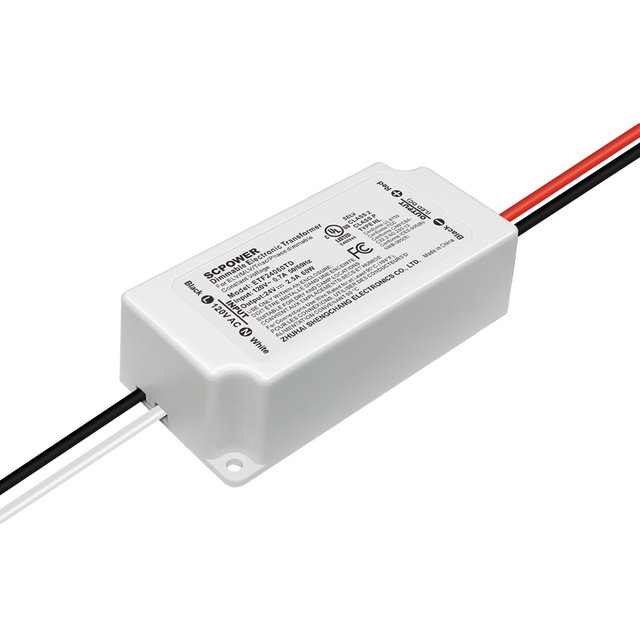
Common Applications of LED Transformers in 2026
Residential Lighting
Indoor Lighting Solutions
LED transformers are essential for various indoor applications. They provide the necessary voltage for recessed lighting and ceiling fixtures, ensuring a seamless and modern look in homes. By utilizing LED drivers, homeowners can create versatile lighting schemes that enhance both functionality and aesthetics.
● Accent Lighting: LED transformers allow homeowners to highlight artwork or architectural features effectively. This targeted lighting creates focal points that draw the eye and add depth to interior spaces.
● Under-Cabinet Lighting: In kitchens, these transformers are perfect for illuminating countertops without cluttering the visual space. They provide functional illumination while maintaining a clean appearance.
● Flexibility in Installation: The compact size of LED transformers allows for versatile placement, making them suitable for diverse lighting designs. Whether in tight spaces or expansive areas, they adapt easily to different layouts.
Outdoor Lighting Solutions
When it comes to outdoor settings, LED transformers truly shine. They are widely used in landscape lighting and garden illumination, transforming outdoor areas into inviting spaces.
● Safety Advantages: Operating on low voltage significantly reduces the risk of electric shock, making outdoor spaces safer for families and guests. This is particularly important in gardens and pathways where water and moisture are present.
● Highlighting Features: LED technology allows for creative lighting solutions that effectively illuminate pathways, architectural elements, and garden features. This not only enhances safety but also improves the overall aesthetic appeal of outdoor environments.
Commercial Lighting
Retail Environments
In retail spaces, LED transformers play a significant role in display lighting. They help create an inviting atmosphere that enhances the shopping experience.
● Customer Experience: Proper lighting can draw attention to products, making them more appealing. For example, strategically placed LED lights can highlight promotions or new arrivals, encouraging purchases.
● Energy Efficiency: Businesses benefit from reduced energy costs, thanks to the efficiency of LED drivers. This not only lowers operating expenses but also supports sustainability initiatives.
Office Spaces
LED transformers are increasingly used in office environments, contributing to productivity and comfort.
● Energy Savings: Switching to LED lighting can significantly lower electricity bills. Companies can save up to 75% on energy costs compared to traditional lighting systems, allowing for budget reallocation to other areas.
● Employee Well-Being: Good lighting improves workplace atmosphere, reducing eye strain and enhancing focus. Studies show that well-lit environments can boost employee morale and productivity.
Architectural Lighting
Architectural lighting relies heavily on LED transformers to highlight features and facades.
● Public Spaces: These transformers are vital in parks and plazas, creating inviting environments for community gatherings. By enhancing visibility at night, they encourage public use and improve safety.
● Smart Technology Integration: Many modern systems incorporate smart controls, allowing for customizable lighting solutions. This technology enables users to adjust brightness and color temperature based on the time of day or specific events.
Specialty Applications
Signage and Advertising
LED transformers are critical in illuminated signage, enhancing visibility and brand recognition.
● Waterproof Transformers: Essential for outdoor signage, these transformers ensure durability and performance even in harsh weather conditions. This reliability is crucial for businesses that want their signage to stand out at all times.
Art Installations
In art galleries and exhibitions, LED transformers enable creative lighting solutions.
● Design Flexibility: They allow for various lighting effects that enhance the viewer's experience. Artists can use different angles and intensities to evoke emotions and highlight specific aspects of their work.
● Consistent Brightness: Maintaining uniform brightness and color temperature is crucial for showcasing artwork effectively. This consistency helps preserve the integrity of colors and details, ensuring that art is presented in the best light.
Application Type | Key Benefits | Ideal Use Cases |
Residential Lighting | Aesthetic appeal, safety, flexibility | Homes, gardens |
Commercial Lighting | Enhanced customer experience, energy savings | Retail stores, offices |
Architectural Lighting | Highlighting features, public engagement | Parks, plazas |
Specialty Applications | Increased visibility, creative design | Signage, art installations |
LED transformers are versatile components that enhance various lighting projects. Their applications span residential, commercial, and artistic domains, providing safety, efficiency, and aesthetic appeal. As the demand for energy-efficient solutions grows, understanding these applications becomes increasingly important.
Benefits of Using LED Transformers
Energy Efficiency
LED transformers are a cornerstone of energy-efficient lighting systems. They significantly reduce energy consumption compared to traditional lighting solutions.
● Lower Energy Consumption: By converting high voltage to low voltage, LED transformers ensure that LEDs operate at optimal efficiency. This can lead to energy savings of 75% or more compared to incandescent bulbs.
● Efficiency Ratings: Many LED drivers come with high efficiency ratings, often above 90%. This means less energy is wasted as heat, translating to lower electricity bills.
● Power Factor Considerations: A good power factor indicates efficient energy usage. LED transformers typically have power factors above 0.9, which is better than many traditional lighting options.
Safety and Longevity
Safety features are a critical aspect of LED transformers, ensuring both user safety and the longevity of lighting systems.
● Safety Features: Many LED transformers include surge protection, which safeguards against voltage spikes. This is crucial in preventing damage to both the transformer and the connected LED fixtures.
● Impact on Lifespan: By providing stable voltage, LED transformers help extend the lifespan of LED fixtures. Studies show that proper voltage regulation can increase the lifespan of LEDs by up to 50%.
● Compliance with Standards: Adhering to local electrical codes and standards is essential. LED transformers are designed to meet these requirements, ensuring safe installation and operation.
Dimming and Control Options
Dimming capabilities enhance the versatility of LED lighting applications. LED transformers often come equipped with advanced control features.
● Importance of Dimming: Dimming allows users to adjust brightness levels according to their needs, creating the desired ambiance in any setting. This is particularly beneficial in restaurants, theaters, and homes.
● Smart Technology Integration: Many modern LED drivers are compatible with smart home systems. This integration allows for remote control and automation, adding convenience and energy savings.
● Built-in Dimming Features: Electronic transformers often include built-in dimming capabilities. This feature simplifies installation and provides users with more control over their lighting environment.
Benefit Type | Key Points | Impact on Users |
Energy Efficiency | Lower consumption, high efficiency ratings | Reduced electricity costs |
Safety and Longevity | Surge protection, extended lifespan | Enhanced safety and reduced replacement costs |
Dimming and Control | Adjustable brightness, smart technology integration | Improved ambiance and energy savings |
By leveraging the benefits of LED transformers, users can enjoy a safer, more efficient, and customizable lighting experience. These advantages make them an essential component in modern lighting projects.
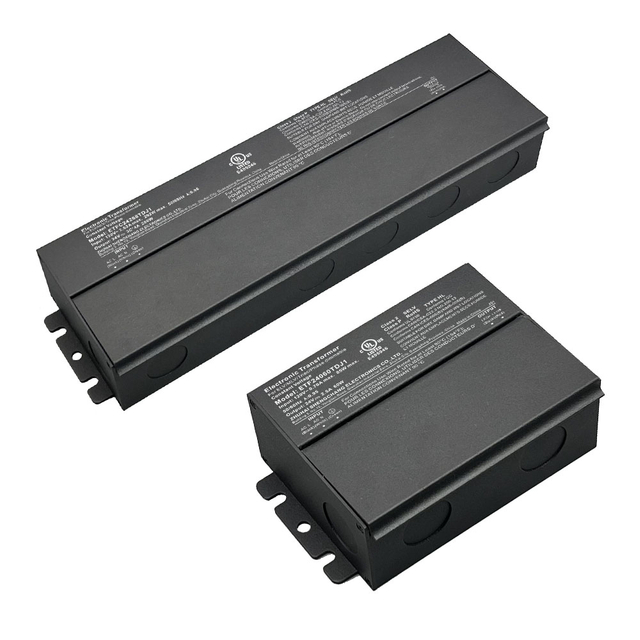
Selecting the Right LED Transformer for Your Project
Key Considerations
Choosing the right LED transformer is crucial for the success of your lighting project. Here are some key factors to keep in mind.
● Matching Transformer Wattage: It's essential to match the wattage of the transformer to the requirements of your LED fixtures. If the transformer is underpowered, it can lead to insufficient light output or even damage the LEDs.
● Voltage Compatibility: Ensure the transformer’s output voltage aligns with the voltage requirements of your LED lights. Mismatched voltage can cause flickering or premature failure of the fixtures.
● Minimum Load Requirements: Understanding the minimum load requirement is vital. Many transformers need a certain load to function correctly; otherwise, you might experience flickering or inconsistent performance.
Common Mistakes to Avoid
When selecting an LED transformer, avoiding common pitfalls can save you time and money.
● Overloading Transformers: One of the biggest mistakes is overloading a transformer beyond its wattage capacity. This can lead to overheating and eventual failure of both the transformer and the connected LEDs.
● Ignoring Minimum Load Requirements: Not paying attention to minimum load specifications can result in flickering lights. Always check the specifications to ensure your setup meets these requirements.
● Failing to Consider Operating Temperature Range: Transformers have specific temperature ranges in which they operate effectively. Ignoring this can lead to performance issues, especially in extreme conditions.
Consideration Type | Key Points | Impact on Performance |
Transformer Wattage | Must match LED fixture requirements | Prevents insufficient lighting |
Voltage Compatibility | Ensure output voltage matches LED needs | Avoids flickering and damage |
Minimum Load | Adhere to minimum load specifications | Ensures stable operation |
Operating Temperature | Consider the temperature range for the transformer | Maintains performance in various environments |
By keeping these considerations in mind, you can select the right LED transformer for your project. This will not only enhance the performance of your lighting system but also extend the lifespan of your LED fixtures.
Conclusion
LED transformers play a vital role in diverse lighting applications. They enhance energy efficiency, safety, and control options. Considering LED transformers for your upcoming projects can lead to significant benefits. Suretron offers innovative LED solutions that provide exceptional value. Their products ensure optimal performance and reliability. Explore Suretron's offerings to elevate your next lighting project.
FAQ
Q: What are LED transformers?
A: LED transformers are devices that convert high voltage to low voltage, ensuring safe and efficient operation of LED lighting systems.
Q: How do LED transformers benefit lighting projects?
A: They enhance energy efficiency, improve safety, and provide flexible control options, making them essential for modern lighting applications.
Q: Why should I choose LED transformers for my project?
A: Using LED transformers can reduce energy costs and extend the lifespan of your LED fixtures, providing long-term savings.
Q: What factors should I consider when selecting LED transformers?
A: Consider wattage, voltage compatibility, and minimum load requirements to ensure optimal performance in your lighting design.
Q: How do I troubleshoot flickering lights with LED transformers?
A: Flickering may occur due to incompatible transformers or insufficient load. Ensure your transformer matches the LED specifications.


