Introduction
Are you tired of flickering lights and high energy bills? LED transformers can be the solution you need for efficient lighting. In this article, we’ll explore how these transformers work, their importance in modern lighting, and the benefits they bring to LED systems. Get ready to illuminate your space effectively!
How LED Transformers Work
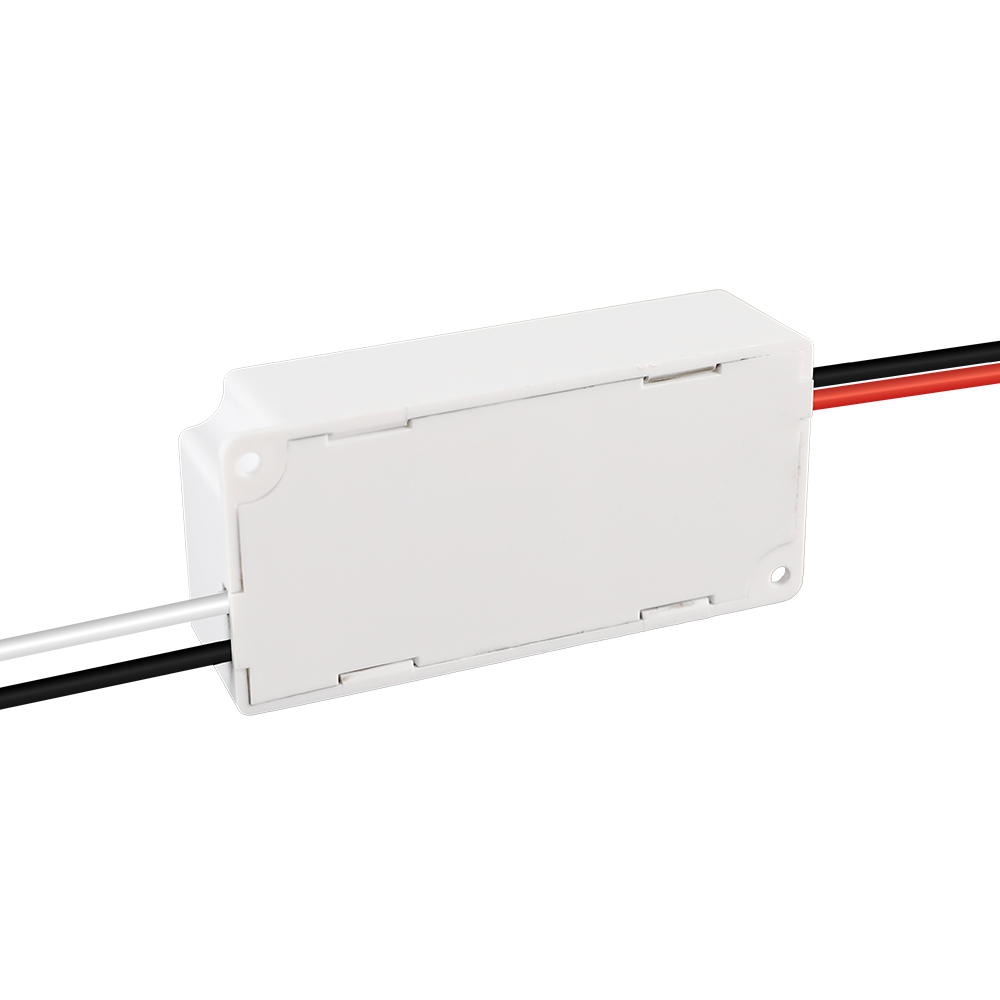
LED drivers, also known as LED transformers or LED power supplies, are essential components that convert high-voltage AC power to the low-voltage DC power required by LEDs. Although these terms are sometimes used differently depending on the application, they are closely related in LED lighting systems and all play a key role in ensuring safe, stable, and efficient operation.
Voltage Regulation and Conversion
LED drivers and LED power supplies play a crucial role in ensuring that LED lights operate safely and efficiently. One of their primary functions is voltage regulation. Standard household voltage typically ranges from 120V to 240V, which is far too high for LED systems, which usually run on low voltage such as 12V or 24V. The LED driver or transformer steps down this high voltage to a safer, usable level, allowing LEDs to function without risk of damage.
The process begins when the LED driver or power supply receives power from the mains supply. It then converts the incoming electricity into the appropriate output needed by the LED system. This conversion is essential because LEDs are sensitive to voltage fluctuations. If the voltage is too high, it can lead to overheating, flickering, or even complete failure of the LED lights. Effective voltage regulation therefore helps provide a stable power supply, which is critical for maintaining the longevity and performance of LED systems.
AC to DC Conversion Process
Another vital function of an LED driver or LED power supply is converting alternating current (AC) to direct current (DC). Most LED lights require DC power to operate correctly. The internal circuitry rectifies the AC power from the mains supply into a stable DC output, helping protect the LEDs from electrical instability and damage.
For instance, a typical LED driver may take 120V AC input and convert it into a steady 12V or 24V DC output. This ensures that the LEDs receive the correct type of power, which helps prevent issues such as flickering and overheating.
Power Regulation for Consistent Brightness
Power regulation is another critical aspect of how LED drivers and LED transformers work. It ensures that LEDs receive a consistent flow of electricity, which is essential for maintaining uniform brightness. Without proper power regulation, LED brightness can fluctuate, resulting in an inconsistent lighting experience that affects both comfort and visual appearance.
LED drivers and LED power supplies are designed to manage the power supply efficiently, delivering the right amount of current needed for optimal performance. This regulation helps improve the overall lighting quality and allows LEDs to maintain stable brightness and color temperature over time.
Types of LED Transformers
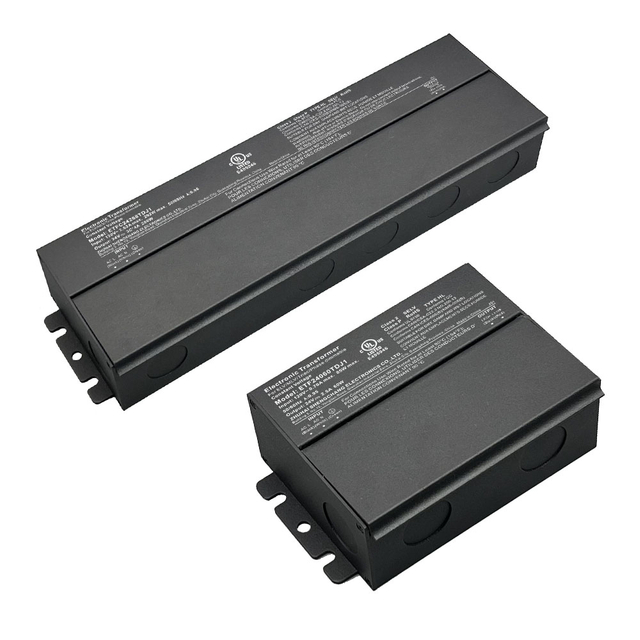
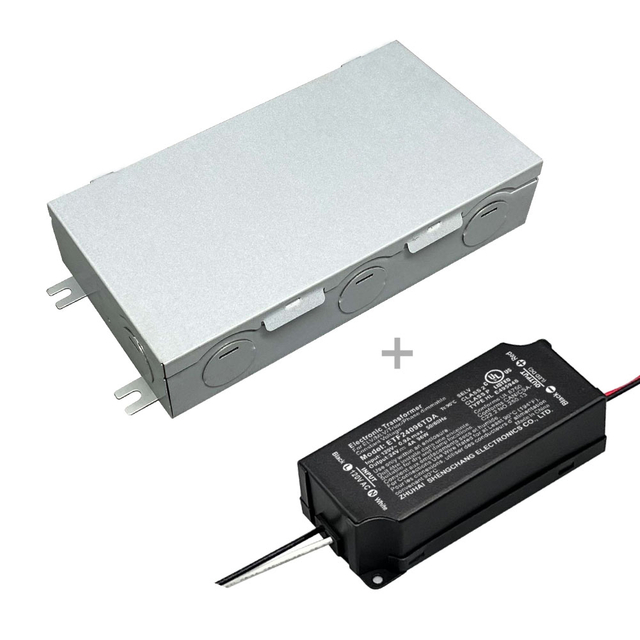
When it comes to powering LED lighting systems, understanding the different types of LED transformers, LED drivers, and LED power supplies is crucial for performance, compatibility, and safety. In practical applications, these terms are often closely related, although the exact meaning may vary depending on the product design and lighting system. LED power solutions can be broadly categorized into magnetic transformers, electronic transformers, and dimmable LED drivers, and each type is designed for different lighting requirements. Suretron’s product range includes LED transformers as well as multiple dimmable LED driver series for commercial, residential, industrial, and outdoor lighting projects.
Magnetic Transformers
Magnetic transformers are the traditional choice for low-voltage lighting systems. They use electromagnetic induction to step down the voltage from the mains supply, typically 120V or 240V, to the lower voltage required by LED lighting systems, usually 12V or 24V.
Key Features of Magnetic Transformers:
Durability: Magnetic transformers are known for their robust construction and can perform well in demanding environments.
Stable Voltage Output: They provide stable low-voltage output, which helps support consistent LED performance.
Higher Minimum Load Requirement: Compared with more modern power solutions, magnetic transformers often require a higher minimum load to operate effectively, which may limit compatibility with some lower-wattage LED products.
Electronic Transformers
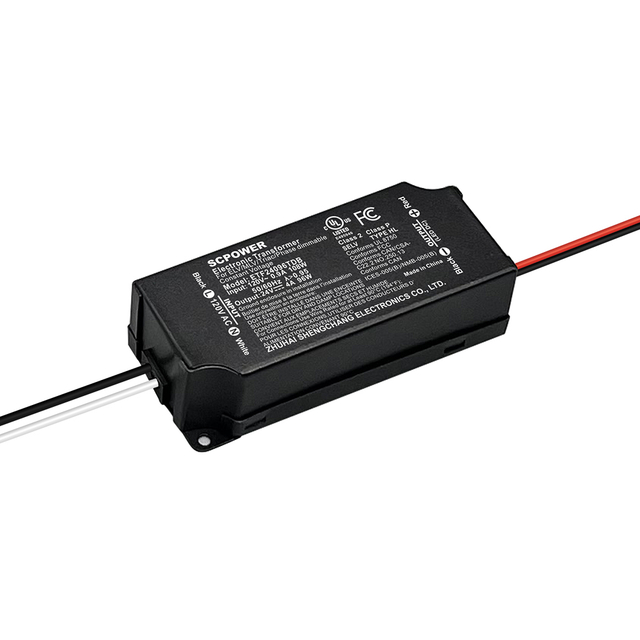
Electronic transformers represent a more modern approach to powering LED lights. They use advanced internal circuitry to regulate voltage and are generally more compact and lightweight than magnetic transformers.
Key Features of Electronic Transformers:
High Efficiency: Electronic transformers are usually more energy-efficient than traditional magnetic transformers.
Compact Size: Their smaller size makes installation easier in tighter spaces, especially in residential and commercial applications.
Lower Minimum Load Requirement: Many electronic transformers work better with lower loads, making them more suitable for LED bulbs, strip lights, and other low-wattage LED products.
Dimmable LED Drivers
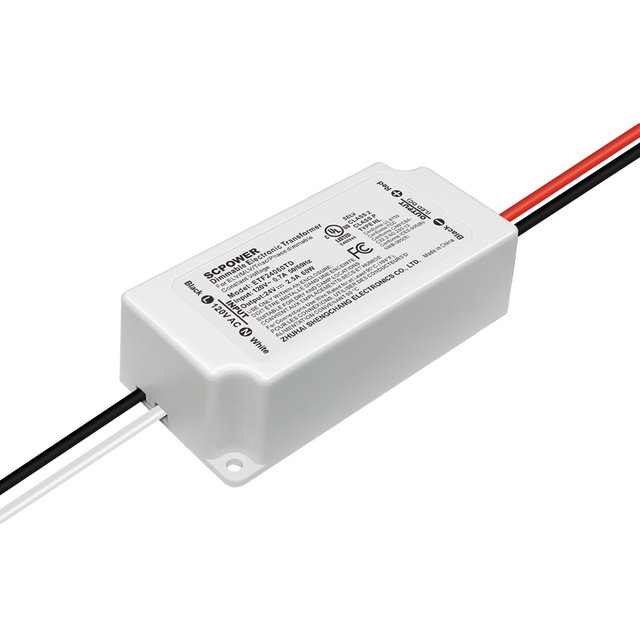
A dimmable LED driver is a power control device that not only supplies the correct power to LEDs, but also allows the brightness to be adjusted smoothly. Compared with a basic transformer, a dimmable LED driver gives users more control over lighting output, which is especially important in projects where comfort, ambiance, and energy-saving flexibility matter. Suretron’s official product structure includes Triac 0-10V dimmable LED drivers, Triac dimmable LED drivers, 0-10V dimmable LED drivers, DALI-2 dimmable LED drivers, DMX512 dimmable LED drivers, and wireless dimmable LED drivers, with both constant voltage and constant current options listed across several series.
Dimmable LED drivers are suitable for a wide range of applications, including LED strip lights, residential lighting, hospitality spaces, retail lighting, architectural lighting, and other installations where adjustable brightness is needed. They are especially useful when the project requires better scene control, improved user comfort, or compatibility with different dimming systems. Suretron also lists an ETF Series LED Transformer line with Triac dimmable low-voltage transformer products offering 12V/24V DC output in multiple wattages, showing that the company supports low-voltage dimmable LED applications as well.
Comparison of Different LED Power Solutions
| Feature | Magnetic Transformer | Electronic Transformer | Dimmable LED Driver |
| Efficiency | Moderate | High | High |
| Size | Bulky | Compact | Varies by series |
| Control Function | Basic voltage conversion | Efficient power conversion | Power conversion + dimming control |
| Typical Use | Traditional low-voltage systems | Compact LED installations | Adjustable-brightness LED systems |
| Application Flexibility | Moderate | Good | Excellent |
Choosing the Right LED Transformer
Understanding Wattage Requirements
Choosing the right LED transformer starts with understanding wattage requirements. Each LED light has a specific wattage rating, which indicates how much power it needs to operate efficiently. When selecting a transformer, you should calculate the total wattage of all the LED fixtures you plan to connect.
For example, if you have five LED bulbs rated at 10 watts each, your total wattage requirement is 50 watts. To ensure optimal performance and avoid overloading, select a transformer that exceeds this total by 20-30%. This buffer helps prevent overheating and extends the lifespan of both the transformer and the LEDs.
Voltage Compatibility Considerations
Next, voltage compatibility is crucial. Most LED lights operate at either 12V or 24V, while standard household voltage is typically between 120V to 240V. An LED transformer steps down this high voltage to a usable level.
Before purchasing, check the voltage rating of your LED fixtures. Using a transformer that matches the LED’s voltage rating is essential. For instance, if you have 12V LED lights, you need a 12V transformer. Using the wrong voltage can lead to flickering, overheating, or even damage to the lights.
Installation Tips for LED Transformers
Proper installation of your LED transformer is vital for safety and performance. Here are some key tips to keep in mind:
Turn Off Power: Always ensure the power supply is turned off before starting the installation. This step is crucial to prevent electrical hazards.
Ventilation: Install the transformer in a well-ventilated area. Proper airflow helps prevent overheating, which can degrade the performance and lifespan of the transformer.
Secure Connections: Use appropriate wiring and connectors. Ensure all connections are secure to minimize the risk of short circuits or loose connections.
Follow Manufacturer Instructions: Always refer to the manufacturer's guidelines for specific installation instructions. This ensures that you are adhering to safety standards and maximizing the efficiency of your setup.
Consult a Professional if Needed: If you’re unsure about the installation process, it's wise to consult a lighting professional. They can provide valuable insights and help avoid common pitfalls.
By understanding wattage requirements, ensuring voltage compatibility, and following installation tips, you can select the right LED transformer for your lighting system. This careful approach will lead to enhanced performance, energy efficiency, and longevity of your LED lights.
Tip: Always verify the specifications of your LED fixtures to ensure compatibility with the transformer you choose, as mismatched components can lead to performance issues or damage.
Benefits of Using LED Transformers
Energy Efficiency and Cost Savings
One of the most significant benefits of using LED transformers is their energy efficiency. Unlike traditional lighting systems, which often waste energy as heat, LED lights are designed to use power more effectively. LED transformers further enhance this efficiency by converting high voltage from the mains supply to a lower voltage suitable for LEDs, typically 12V or 24V. This conversion minimizes energy loss, allowing more electricity to be used for illumination rather than wasted as heat.
For instance, consider a commercial space that switches from incandescent bulbs to LED lighting. By using LED transformers, businesses can reduce their energy consumption significantly, leading to lower electricity bills. Some estimates suggest that switching to LED technology can lead to energy savings of up to 75%. Over time, the cost savings can be substantial, making the initial investment in LED lighting and transformers worthwhile.
Improved Lighting Quality and Longevity
LED drivers and LED power supplies not only improve efficiency, but also help enhance lighting quality. By providing stable voltage and current, these power solutions help reduce flickering and minimize color temperature instability, resulting in more consistent and reliable illumination. This is especially important in applications where lighting performance and visual consistency matter, such as retail spaces, galleries, hospitality environments, and display areas.
In addition, LED lighting is known for its long service life. When paired with a high-quality LED driver or LED transformer, the lifespan of LED lights can be further supported. A well-designed LED power supply helps protect the lighting system from voltage fluctuations and unstable electrical input that may otherwise shorten product life. With the right driver, LEDs can operate under more stable conditions and maintain brightness and light quality over a longer period, helping reduce replacement frequency and maintenance costs.
Safety Features in LED Power Solutions
Safety is an important consideration in any lighting system, and modern LED drivers and LED transformers often include built-in protective functions that improve reliability. These may include protection against overvoltage, short circuits, overheating, and other electrical risks. Such features help protect both the power unit itself and the connected LED lights.
For instance, if a voltage surge occurs in the electrical supply, a properly designed LED power supply can help prevent excessive voltage from reaching the LEDs, reducing the risk of burnout or premature failure. Good thermal management is also important, as overheating can affect both safety and long-term performance. Reliable LED drivers are designed to support safer and more stable operation in a wide range of lighting environments.
Common Issues with LED Transformers
Flickering Lights and Their Causes
Flickering lights can be a frustrating issue for anyone using LED lighting systems. This problem often stems from several factors, primarily related to the performance of the transformer. One of the most common causes is an incompatible transformer. If the transformer is not designed specifically for LEDs, it may not provide the stable voltage and current that LEDs require. As a result, the lights can flicker or even fail to illuminate properly.
Another cause of flickering can be a low wattage load. Many older transformers have a minimum load requirement, which can be around 20 watts. If the total wattage of the connected LED fixtures falls below this threshold, the transformer may not function correctly, leading to flickering or inconsistent lighting.
Additionally, poor connections or faulty wiring can also contribute to flickering lights. Loose connections can create intermittent power supply issues, causing the lights to flicker. Regularly checking and maintaining wiring connections can help prevent this issue.
Overheating Problems
Overheating is another significant concern when using LED transformers. If a transformer gets too hot, it can lead to performance issues and shorten its lifespan. Overheating can occur for several reasons, including:
Overloading: Connecting too many LED fixtures to a transformer can exceed its wattage capacity, causing it to overheat. It's crucial to calculate the total wattage of all connected LEDs and choose a transformer that can handle at least 20-30% more than this total.
Poor Ventilation: Transformers need adequate airflow to dissipate heat. Installing them in enclosed spaces without proper ventilation can lead to overheating. Always ensure that transformers are placed in well-ventilated areas.
Faulty Components: Sometimes, the transformer itself may have defects or be of low quality, leading to overheating. Investing in high-quality transformers designed for LED applications can help mitigate this risk.
Signs of a Failing Transformer
Recognizing the signs of a failing transformer can save you from further issues down the line. Common indicators include:
Flickering or Dimming Lights: If your LED lights flicker or dim unexpectedly, it might be a sign that the transformer is failing to deliver consistent power.
Buzzing or Humming Noises: Unusual sounds coming from the transformer can indicate internal problems, such as loose components or electrical issues.
Overheating: If the transformer feels excessively hot to the touch, it may be failing. This can lead to potential safety hazards, including fire risks.
Burnt Smell or Visible Damage: Any burnt odor or visible damage on the transformer should be addressed immediately. This can indicate serious electrical issues that need professional attention.
By being aware of these common issues, users can take proactive steps to ensure their LED lighting systems operate smoothly. Regular maintenance and choosing compatible, high-quality transformers can significantly enhance performance and longevity.
The Future of LED Drivers and LED Power Supplies
Innovations in Driver Technology
The future of LED drivers and LED power supplies is promising, with ongoing innovations focused on better performance, smarter control, and improved user experience. One of the most important developments is the integration of intelligent control technology into LED power solutions. Modern LED drivers can support advanced dimming and control functions, allowing users to manage brightness and lighting performance more precisely in different applications. This not only improves convenience, but also supports more efficient energy use in residential, commercial, and industrial lighting systems. Suretron’s product range includes intelligent dimmable LED drivers supporting protocols such as DALI-2, D4i, TRIAC, 0/1-10V, DMX512, and wireless control, reflecting this broader shift toward smart lighting solutions.
Another important trend is product compatibility and flexibility. Many modern LED drivers and LED power supplies are designed to support a wide range of fixtures and installation environments, helping users upgrade or optimize lighting systems without completely changing their existing setup. Suretron’s LED driver portfolio covers 8W to 1800W and includes multiple product categories such as LED transformers, LED strip light power supplies, and dimmable LED driver series, showing the growing demand for flexible and application-specific solutions.
Trends in LED Lighting and Power Solutions
As the LED lighting market continues to evolve, low-voltage and controllable lighting solutions are expected to remain important. LED drivers and LED power supplies are becoming standard components in both new projects and lighting upgrades because they help deliver stable output, support dimming functions, and improve overall system reliability.
Sustainability is also shaping the future of the industry. As energy efficiency becomes a higher priority, the demand for reliable and efficient LED drivers will continue to grow. Products that support better power management, lower energy consumption, and smarter control are increasingly valued in residential, commercial, industrial, and outdoor lighting applications. Suretron highlights these directions through its focus on intelligent dimmable LED drivers and its broad use across global lighting projects in more than 100 countries.
Integration with Smart Lighting Systems
The integration of LED drivers with smart lighting systems is transforming how users interact with lighting. More projects now require lighting solutions that can be dimmed, scheduled, or managed through intelligent control systems. This includes features such as brightness adjustment, scene control, and compatibility with different dimming protocols for various environments and user needs.
Smart LED drivers can help create more flexible lighting experiences across residential, hospitality, retail, and commercial spaces. For example, lighting can be adjusted to match different times of day, application scenarios, or comfort requirements. Suretron’s product categories include DALI 2 dimmable LED drivers, wireless dimmable LED drivers, DMX 512 dimmable LED drivers, and TRIAC / 0-10V dimmable LED driver solutions, which aligns well with the increasing demand for integrated and intelligent lighting systems.
In summary, the future of LED drivers, LED transformers, and LED power supplies is being shaped by smarter control technology, stronger energy-efficiency demands, and wider system integration. As these developments continue, users can expect lighting power solutions that are more efficient, more flexible, and better suited to modern intelligent lighting projects.
Conclusion
LED transformers are essential for powering LED lighting systems effectively. They regulate voltage, convert AC to DC, and ensure consistent brightness. Understanding the types of transformers, such as magnetic and electronic, helps users choose the right one for their needs. Using high-quality LED transformers enhances energy efficiency, lighting quality, and safety. Upgrading to LED technology offers significant long-term savings and improved performance. Suretron offers a comprehensive range of high-performance LED drivers and power supplies, including constant voltage, constant current, and dimmable options. Explore our LED driver series to find the ideal solution for your residential or commercial lighting project.
FAQ
Q: What is an LED transformer?
A: An LED transformer is a device that converts high voltage from the mains supply to a lower voltage suitable for LED lights, ensuring safe and efficient operation.
Q: How do I choose the right LED transformer?
A: To choose the right LED transformer, consider the wattage requirements of your LEDs, ensure voltage compatibility, and select a transformer designed specifically for LED systems.
Q: Why do LED transformers cause flickering lights?
A: Flickering lights can occur if the LED transformer is incompatible or if the total wattage is below the minimum load requirement, leading to unstable power delivery.
Q: What are the benefits of using an LED transformer?
A: Benefits of using an LED transformer include energy efficiency, improved lighting quality, enhanced longevity of LEDs, and built-in safety features to protect against electrical issues.