Introduction
Why do LED lights flicker or fail early? The answer often lies in the led transformer. Many systems struggle with unstable power conversion.
In this article, you will learn how LED transformer technology converts AC into efficient lighting. We will explore key processes, benefits, and how to ensure stable performance.
How LED Transformers Work
Basic Functionality of LED Transformers
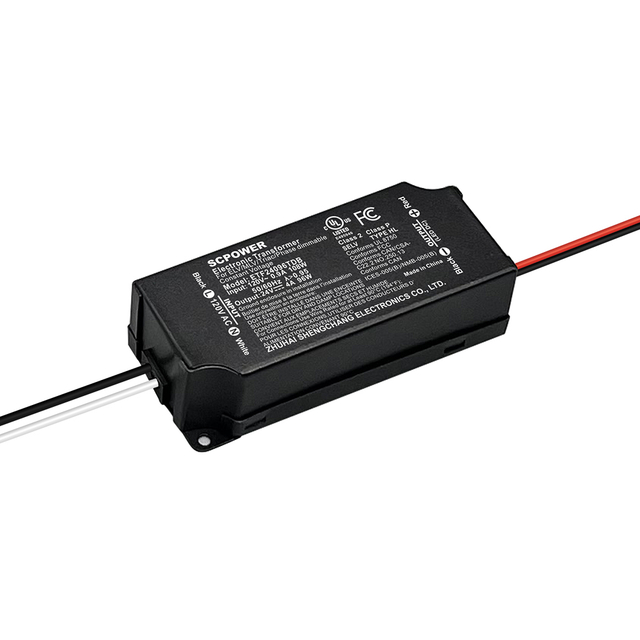
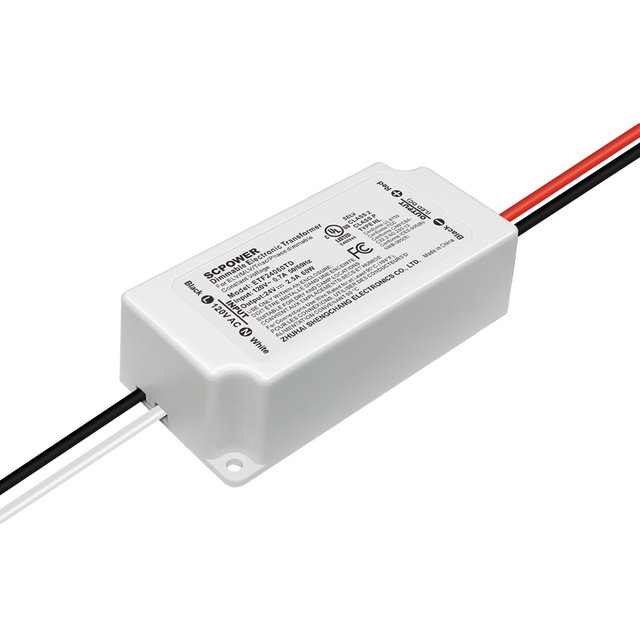
LED transformers serve a crucial role in converting the standard alternating current (AC) from our electrical outlets into the direct current (DC) that LEDs require to function properly. Since LEDs are semiconductor devices, they need a stable voltage and current to operate efficiently, making the conversion process essential. Here’s how it works:
Rectification: The first step in the process is rectification. This is where the AC voltage is transformed into pulsating DC voltage using a component called a rectifier. Rectifiers can be either half-wave or full-wave types. A half-wave rectifier uses one diode to allow current to flow during one half of the AC cycle, while a full-wave rectifier uses four diodes in a bridge configuration to convert both halves of the AC waveform into DC, resulting in a smoother output.
Filtering: After rectification, the pulsating DC voltage needs to be smoothed out. This is done using filter capacitors, which store electrical charge. When the voltage dips, the capacitors release their stored energy, stabilizing the output voltage and reducing ripples.
Voltage Regulation: To ensure the LEDs receive a consistent voltage, voltage regulators come into play. These components adjust the output voltage to a stable level, which is crucial for preventing damage to the LEDs from voltage fluctuations.
Current Control: LEDs also require a constant current to maintain brightness and prevent overheating. A constant current driver is used to regulate the current flowing through the LEDs, adapting to any changes in input voltage or load.
Components of LED Transformers
LED transformers consist of several key components:
Rectifiers: Convert AC to DC.
Filter Capacitors: Smooth out voltage ripples.
Voltage Regulators: Maintain stable output voltage.
Constant Current Drivers: Ensure consistent brightness.
These components work together to provide a reliable power supply for LED lighting systems.
The Role of Rectifiers in Conversion
Rectifiers are fundamental in the AC to DC conversion process. They determine how effectively the AC voltage is transformed into usable DC voltage. The choice between half-wave and full-wave rectifiers impacts the efficiency and smoothness of the output. Full-wave rectifiers are generally preferred for LED applications due to their ability to produce a more stable and continuous DC output.
In summary, LED transformers are essential for converting AC power to DC, ensuring that LEDs operate safely and efficiently. The combination of rectifiers, filters, regulators, and current drivers allows for optimal performance and longevity of LED lighting systems.
Types of LED Transformers
Linear vs. Switch-Mode Power Supplies
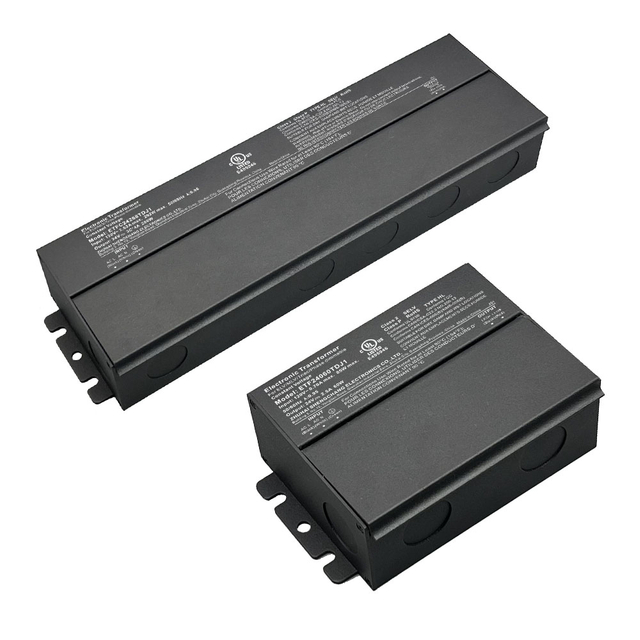
When it comes to LED transformers, two main types dominate: linear power supplies and switch-mode power supplies (SMPS). Each has its unique characteristics, advantages, and ideal applications.
Linear Power Supplies: These transformers use a traditional transformer to lower the voltage before rectifying it to DC. They provide a smooth output voltage and are often simpler in design. However, they are less efficient, especially at higher power levels, and can generate more heat. As a result, they tend to be bulkier and heavier, making them less suitable for compact applications.
Switch-Mode Power Supplies (SMPS): SMPS are more modern and efficient. They utilize high-frequency switching to convert AC to DC, allowing for a more compact design. They can handle a wider range of input voltages and are generally more energy-efficient, reducing energy waste and heat generation. SMPS are increasingly popular in LED applications due to their versatility and efficiency.
Advantages of Each Type
Choosing the Right LED Transformer
Selecting the right LED transformer depends on several factors:
Application Requirements: Consider the specific needs of your LED lighting system. For instance, if you need a stable voltage with minimal ripple for sensitive applications, a linear power supply might be the right choice. However, for general LED lighting, a switch-mode power supply is often more efficient.
Power Requirements: Evaluate the total wattage of your LED fixtures. Ensure that the transformer can handle the load without exceeding its limits.
Space Constraints: If installation space is limited, opt for a compact switch-mode power supply.
Budget: While linear power supplies may have lower upfront costs, switch-mode power supplies typically offer better long-term savings due to their efficiency.
By carefully considering these factors, you can choose the right LED transformer that meets your lighting needs while ensuring efficiency and reliability.
Tip: Always consult a lighting professional when selecting an LED transformer to ensure compatibility and optimal performance for your specific application.
Benefits of Using LED Transformers
Energy Efficiency and Cost Savings
One of the most significant advantages of using LED transformers is their energy efficiency. Unlike traditional lighting systems, LED transformers convert AC to DC power with minimal energy loss. This efficiency can lead to substantial cost savings on electricity bills. For example, while incandescent bulbs consume around 60 watts, an LED bulb can provide the same brightness using just 10 watts or less. By using an LED transformer, you ensure that the energy consumed is effectively utilized, translating to lower operational costs.
Moreover, many LED transformers are designed to operate at efficiencies exceeding 90%. This means that nearly all the energy drawn from the power source is converted into usable light, rather than wasted as heat. Over time, these savings can accumulate significantly, making LED systems a financially savvy choice for both residential and commercial applications.
Improved Lighting Quality and Longevity
LED transformers also enhance the quality of lighting. They provide a stable current, which reduces flickering and color temperature variations, resulting in consistent light output. This is especially important in settings where color accuracy matters, such as art galleries and retail spaces. A stable light source helps create an inviting atmosphere and improves the overall aesthetic of the space.
In terms of longevity, LED lights paired with high-quality transformers can last up to 25,000 hours or more. The consistent current supplied by the transformer minimizes stress on LED components, ensuring they maintain their brightness longer and reducing the frequency of replacements. This longevity not only saves money but also reduces waste, contributing to a more sustainable lighting solution.
Safety Features in LED Transformers
Safety is another critical benefit of LED transformers. Many modern transformers come equipped with built-in safety features such as thermal protection, short circuit protection, and overload protection. These features help prevent potential hazards associated with electrical faults, ensuring a safe environment for users.
For example, thermal protection automatically shuts down the transformer if it overheats, preventing damage to both the transformer and the connected LEDs. Similarly, short circuit protection helps avoid electrical fires by cutting off power in the event of a fault. These safety measures enhance the reliability of the lighting system, providing peace of mind for both homeowners and business operators.
In conclusion, the benefits of using LED transformers extend beyond mere energy savings. They improve lighting quality, enhance safety, and offer long-term cost efficiency. By investing in high-quality LED transformers, users can enjoy the full advantages of LED technology while contributing to a more sustainable future.
Challenges and Misconceptions about LED Transformers
Common Misunderstandings
When it comes to LED transformers, several misconceptions can lead to confusion and improper usage. One prevalent myth is that all transformers are suitable for LED lighting. In reality, LED-specific transformers are crucial because they cater to the unique electrical requirements of LEDs. Standard transformers may not handle the low voltage and constant current needed, leading to flickering or even damaging the LEDs.
Another common misunderstanding is regarding wattage. Some believe that a higher wattage transformer will automatically yield better performance. However, the key is to match the transformer’s wattage to the total wattage of the LED fixtures. Oversizing the transformer can result in inefficiencies, increased costs, and potential overheating issues.
Identifying Quality Transformers
Choosing a quality LED transformer involves understanding its specifications and features. Look for transformers that are specifically rated for LED applications. These typically offer higher efficiency, often above 90%, and include features such as thermal protection and overload safeguards.
Additionally, check for certifications from recognized standards organizations, which can indicate reliability and safety. High-quality transformers also provide a stable output voltage with minimal ripple, ensuring consistent lighting performance. Reading reviews and seeking recommendations from professionals can further help in identifying reputable brands and models.
Installation Challenges
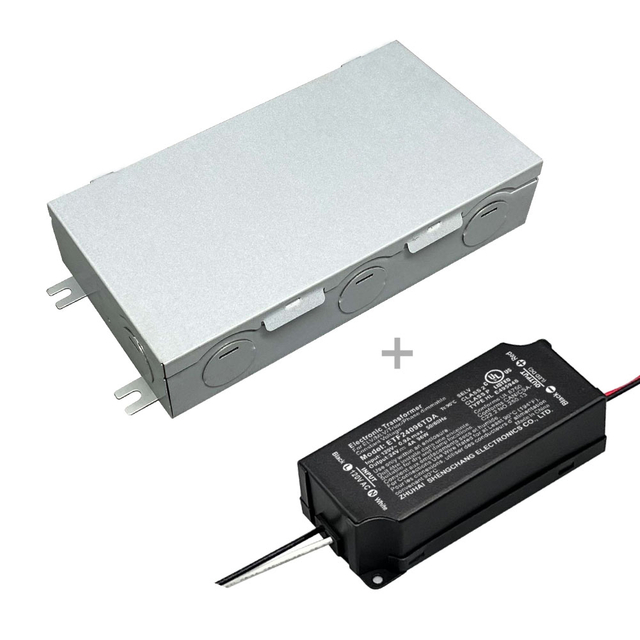
Installation of LED transformers can present challenges, especially for those unfamiliar with electrical systems. One major issue is ensuring compatibility between the transformer and the LED fixtures. As mentioned earlier, mismatched specifications can lead to performance problems.
Another challenge is the physical space available for installation. Many LED transformers are compact, but when retrofitting older systems, there may be limited room to work. This can complicate the installation process and may require creative solutions to fit the transformer into the existing setup.
Furthermore, improper installation can lead to overheating or electrical faults. It's advisable to consult a professional electrician when installing LED transformers to ensure safety and compliance with local electrical codes.
The Future of LED Transformers
Innovations in Transformer Technology
The landscape of LED transformer technology is evolving rapidly. Innovations are emerging that enhance performance, efficiency, and user experience. One significant advancement is the integration of smart technology into LED transformers. These smart transformers allow users to control brightness, color temperature, and even scheduling through mobile apps or voice-activated devices. This level of control not only adds convenience but also plays a crucial role in energy management, enabling users to optimize their lighting based on their specific needs.
Another exciting development is the rise of wireless technology in LED transformers. Wireless transformers eliminate the need for physical connections, making installation easier and more flexible. This technology is particularly beneficial in retrofitting existing lighting systems, allowing for seamless upgrades without extensive rewiring. Innovations like these are paving the way for more adaptable and user-friendly lighting solutions.
Predicted Trends in LED Lighting
As we look to the future, several trends are expected to shape the LED lighting industry. One trend is the increasing demand for low-voltage lighting solutions. As more builders and homeowners recognize the benefits of LED technology, low-voltage systems powered by efficient transformers are becoming the norm. This shift not only simplifies installation but also reduces operational costs, making LED lighting more accessible.
Sustainability is another driving force behind the evolution of LED transformers. As awareness of energy consumption grows, there is a significant push for eco-friendly lighting solutions. This trend is likely to lead to the development of transformers that are not only energy-efficient but also compatible with renewable energy sources, such as solar power. Integrating these systems will allow users to harness natural resources, further reducing their carbon footprint.
Moreover, the aesthetic appeal of LED lighting is evolving. Manufacturers are focusing on creating customizable options, including color-changing capabilities and unique designs. This trend caters to consumers' desire for personalized lighting environments, enhancing both functionality and style.
Integration with Smart Home Systems
The integration of LED transformers with smart home systems is set to revolutionize the way we interact with lighting. Smart transformers can communicate with other devices in a home automation system, allowing for synchronized control. For instance, users can set their lights to dim automatically when a movie starts or change colors to match the mood of a gathering. This level of integration not only enhances convenience but also contributes to energy savings by allowing users to manage their lighting more effectively.
In addition, the compatibility of LED transformers with smart technology can lead to improved energy management. Users can monitor their energy consumption in real-time, allowing them to make informed decisions about their lighting usage. This capability is particularly valuable for businesses looking to reduce operational costs while maintaining a comfortable and appealing environment for customers.
Conclusion
LED transformers play a vital role in converting AC to DC power for efficient LED lighting. They consist of rectifiers, filters, regulators, and constant current drivers. These components work together to ensure stable voltage and current, enhancing energy efficiency and reducing costs. With advancements in smart technology, LED transformers are becoming more versatile and user-friendly. Shengchang offers high-quality LED transformers designed for optimal performance, providing significant value and sustainability for modern lighting solutions.
FAQ
Q: What is an LED transformer?
A: An LED transformer is a device that converts alternating current (AC) from electrical outlets into direct current (DC) suitable for powering LED lights.
Q: How do LED transformers work?
A: LED transformers work by rectifying AC to DC, filtering the voltage, regulating it, and controlling the current to ensure efficient operation of LED lighting systems.
Q: Why are LED transformers important?
A: LED transformers are important because they provide the stable voltage and current required for LEDs to function efficiently and safely.
Q: What are the benefits of using LED transformers?
A: Benefits of LED transformers include energy efficiency, improved lighting quality, enhanced safety, and cost savings over time.
Q: How do I choose the right LED transformer?
A: To choose the right LED transformer, consider your application requirements, power needs, space constraints, and budget to ensure compatibility and optimal performance.