Introduction
Are you struggling to find the perfect LED driver for your strip lights? Choosing the right one is crucial for optimal performance. In this article, we’ll explore the importance of selecting the appropriate LED driver and how it affects your lighting setup. You’ll learn about voltage requirements, wattage needs, and installation tips.
Understanding Voltage Requirements for LED Strip Light Drivers
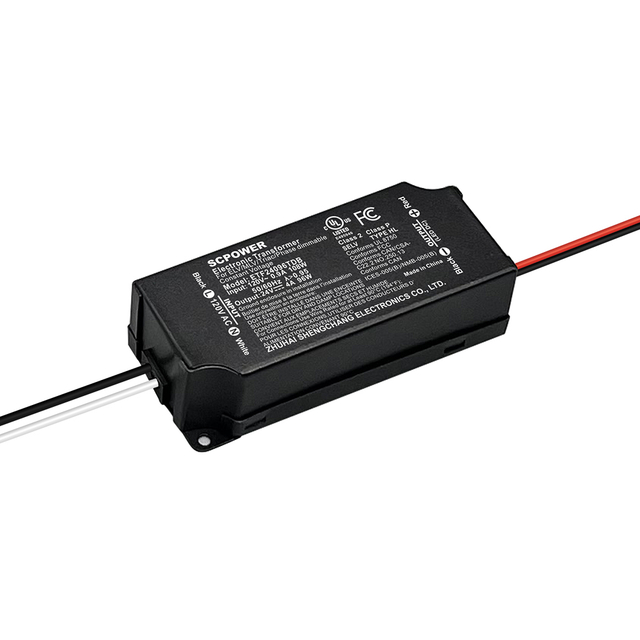
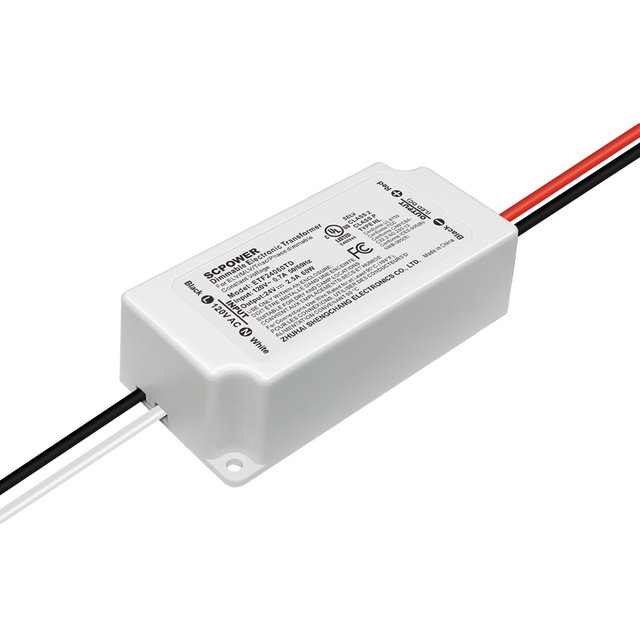
When powering LED strip lights, selecting the right LED driver (also known as an LED power supply or LED transformer) is essential for stable performance and longevity.
Common Voltage Levels: 12V vs 24V
When selecting an LED driver, understanding voltage requirements is crucial. Most LED strip lights operate at either 12V or 24V. The choice between these two voltages often depends on the specific application and the length of the LED strip.
12V LED Strips: Commonly used for residential applications, 12V strips are versatile and widely available. They are ideal for shorter runs, typically up to about 5 meters, without significant voltage drop.
24V LED Strips: These are often preferred for longer runs, exceeding 5 meters, as they minimize voltage drop and can deliver more consistent brightness across the length of the strip.
Using the correct voltage transformer is essential. Connecting a 12V LED strip to a 24V transformer will likely burn out the LEDs, while a 24V strip connected to a 12V transformer may lead to dim lighting or failure to operate.
Consequences of Mismatched Voltage
Using an incorrect voltage can have serious consequences. If you supply too high a voltage, the LEDs may burn out almost instantly. Conversely, supplying too low a voltage can lead to flickering, reduced brightness, or failure to light up altogether.
Overvoltage: This can cause overheating and permanent damage to the LED strip, leading to costly replacements.
Undervoltage: LEDs may not illuminate properly, resulting in a poor lighting experience and potential frustration.
How to Check Voltage Specifications
To ensure you select the right transformer, check the voltage specifications of both the LED strips and the transformer. Here’s how:
Product Packaging: Voltage ratings are usually printed on the packaging of the LED strip.
Specification Sheets: These documents provide detailed information about the product, including voltage requirements.
PCB Markings: Inspect the printed circuit board (PCB) of the LED strip. It often has voltage markings that indicate whether it operates at 12V or 24V.
Manufacturer’s Website: For the most accurate information, visit the manufacturer's website or contact customer support.
By diligently verifying voltage specifications, you can prevent mismatches that could lead to equipment failure and ensure a safe, effective lighting installation.
Calculating Wattage Needs for LED drivers
How to Calculate Total Wattage for LED Strips
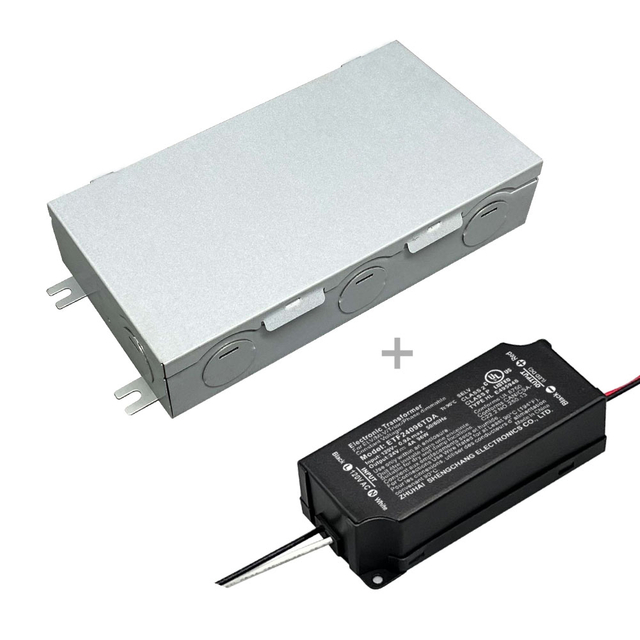
Calculating the total wattage required for your LED strip lights is essential for selecting the appropriate LED driver. This process ensures you have enough power to run your lights without overloading the system.
Identify the Wattage per Meter: Check the specifications of your LED strip to find its wattage rating. This is often provided in watts per meter (W/m). For example, many LED strips use about 10W/m.
Measure the Total Length: Determine how many meters of LED strip you will be using. For instance, if you plan to install 5 meters of LED strip, you will multiply this length by the wattage per meter.
Perform the Calculation: Use the formula:Total Wattage=Wattage per Meter×Total LengthFor example, if your strip is 10W/m and you have 5 meters, the total wattage needed would be:10W/m×5m=50W
Importance of Adding a Safety Margin
When calculating wattage needs, it's crucial to include a safety margin. This precaution helps prevent overheating and prolongs the lifespan of both the transformer and the LED strips. A common recommendation is to add 20-30% to the total wattage requirement.
For instance, if your total wattage calculation gives you 50W, adding a 20% safety margin would look like this:
Required Wattage = 50W × 1.2 = 60W
This means you should choose a transformer rated for at least 60W to ensure reliable performance.
Examples of Wattage Calculations
Let’s look at a couple of examples to clarify how to calculate wattage needs:
Example 1: You have 8 meters of LED strip rated at 12W/m.Total Wattage=12W/m×8m=96WAdding a 20% safety margin:96W×1.2=115.2WSo, you would need a transformer rated for at least 120W.
Example 2: You are using 3 meters of LED strip at 5W/m.Total Wattage=5W/m×3m=15WWith a 30% safety margin:15W×1.3=19.5WA transformer rated for 20W would suffice.
By following these steps, you can ensure your LED strip lights operate efficiently and safely, avoiding potential issues related to underpowering or overheating.
Types of LED drivers
When it comes to powering LED strip lights, choosing the right transformer is vital. There are two main types of LED drivers: magnetic and electronic. Each type has its own advantages and disadvantages, making it important to understand their features before making a decision.
Magnetic Transformers: Pros and Cons
Magnetic transformers have been around for a long time. They utilize electromagnetic induction to step down voltage. Here are some pros and cons to consider:
Pros:
Durability: Magnetic transformers are robust and can withstand harsh environments. This makes them a good choice for outdoor or industrial applications.
Simplicity: They are generally straightforward to install and operate, making them user-friendly.
Cons:
Size: Magnetic transformers tend to be bulkier than electronic ones, which can make installation more challenging in tight spaces.
Efficiency: They are less energy-efficient, often resulting in more heat generation compared to electronic transformers.
Electronic Transformers: Pros and Cons
Electronic transformers have become increasingly popular due to advancements in technology. They use electronic components to regulate voltage. Here are their pros and cons:
Pros:
Compact Size: Electronic transformers are smaller and lighter, making them easier to install in various applications.
Higher Efficiency: They convert voltage with less energy loss, resulting in less heat and better energy efficiency.
Cons:
Cost: Electronic transformers can be more expensive upfront compared to magnetic transformers.
Sensitivity: They may be more sensitive to fluctuations in power, which can affect performance in certain conditions.
Comparison of Magnetic vs Electronic Transformers
| Feature | Magnetic Transformer | Electronic Transformer |
| Efficiency | Moderate | High |
| Size | Bulky | Compact |
| Cost | Lower | Higher |
| Lifespan | Long | Very Long |
| Installation Ease | Moderate | Easy |
When selecting between magnetic and electronic transformers, consider your specific application needs. If you require a transformer for a rugged environment, a magnetic transformer may be the better choice. Conversely, if space and efficiency are priorities, an electronic transformer would be ideal.
Dimming Compatibility with LED drivers
What is Dimming and Why It Matters
Dimming refers to the ability to adjust the brightness of LED lights. This feature is essential for creating different moods, enhancing aesthetics, and saving energy. In commercial settings, dimming can significantly reduce electricity costs while extending the lifespan of LED fixtures. Proper dimming can also improve the overall lighting experience by allowing users to tailor brightness levels to their specific needs.
However, not all LED drivers are compatible with dimming. Choosing a transformer that supports dimming is crucial if you plan to use dimmable LED strip lights. An incompatible transformer can result in flickering, uneven brightness, or even complete failure of the lighting system.
Types of Dimming: PWM, TRIAC, and 0-10V
There are several dimming methods available, each with its own advantages:
PWM (Pulse Width Modulation): This technique rapidly turns the light on and off, adjusting the duration of the "on" time to control brightness. It's highly efficient and works well with most LED systems, providing smooth dimming without flicker.
TRIAC Dimming: Common in traditional incandescent dimming systems, TRIAC dimming controls the power by cutting off a portion of the AC waveform. While it can work with some LED lights, it may not provide the same level of performance as PWM, often resulting in flickering at lower brightness levels.
0-10V Dimming: This method uses a low-voltage control signal to adjust brightness. It's widely used in commercial applications and is compatible with many LED drivers. 0-10V dimming allows for precise control and can be integrated into building automation systems.
When selecting a transformer, ensure that it matches the dimming type of your LED strip lights. Using mismatched dimming technologies can lead to performance issues.
How to Ensure Compatibility with Dimmers
To ensure compatibility between your LED driver and dimmers, follow these steps:
Check Specifications: Always refer to the specifications of both the LED strip lights and the transformer. Look for mentions of dimming compatibility and the specific dimming methods supported.
Consult Manufacturer Guidelines: Manufacturers often provide compatibility charts or guidelines for their products. This information can help you avoid potential mismatches.
Test Before Full Installation: If possible, conduct a test run with your chosen transformer and dimmer before completing the installation. This way, you can observe any flickering or performance issues early on.
Consider Professional Advice: If uncertain, consult a lighting professional. They can help you navigate compatibility issues and recommend suitable products.
By ensuring proper compatibility between your dimmers and transformers, you can achieve smooth, reliable dimming for your LED strip lights, enhancing both functionality and aesthetic appeal.
Installation Tips for LED driver s
Safety Precautions Before Installation
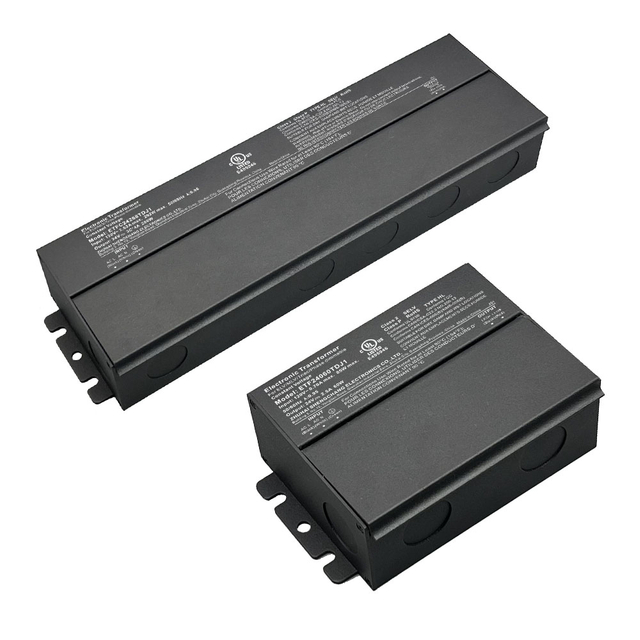
Installing an LED driver requires careful attention to safety. Here are essential precautions to follow:
Power Off: Always turn off the main power supply before beginning installation. This prevents accidental shocks and short circuits.
Use Proper Tools: Ensure you have the right tools for installation, such as wire strippers, screwdrivers, and a multimeter for testing connections.
Wear Protective Gear: Use gloves and safety glasses to protect yourself from potential hazards during installation.
Choosing the Right Installation Location
Selecting an appropriate location for your LED driver is crucial for performance and safety:
Ventilation: Install the transformer in a well-ventilated area. Transformers generate heat, and proper airflow helps prevent overheating.
Accessibility: Choose a location that allows easy access for future maintenance or troubleshooting. Avoid placing it in tight spaces where it’s hard to reach.
Moisture Protection: If installing outdoors or in humid environments, ensure the transformer is rated for such conditions. Look for IP65 or higher ratings to protect against moisture damage.
Common Installation Mistakes to Avoid
Avoiding common pitfalls can save time and ensure a successful installation:
Overloading the Transformer: Always calculate the total wattage required for your LED strips and choose a transformer with a higher wattage rating. Overloading can lead to overheating and failure.
Incorrect Wiring: Double-check all connections to ensure they match the specifications. Incorrect wiring can cause flickering or complete failure of the LED strips.
Neglecting Voltage Compatibility: Ensure the transformer’s output voltage matches the LED strip requirements (12V or 24V). Mismatched voltages can damage the LEDs.
Ignoring Dimming Compatibility: If using dimmable LED strips, confirm that the transformer supports the type of dimming you plan to use (e.g., PWM, TRIAC). An incompatible transformer can cause flickering or inconsistent brightness.
Skipping Testing: After installation, test the system before sealing any connections or covers. This allows you to identify and correct any issues early.
By following these installation tips, you can ensure a safe and efficient setup for your LED drivers, leading to optimal performance for your LED strip lights.
Tip: Always verify the transformer’s wattage rating exceeds your total LED strip wattage to prevent overheating and ensure reliable operation.
Troubleshooting Common Issues with LED drivers
Signs of a Failing LED driver
Recognizing the signs of a failing LED driver is crucial for maintaining a reliable lighting system. Here are some common indicators:
Flickering Lights: If your LED lights flicker or dim unexpectedly, it may signal an issue with the transformer. This can occur due to inadequate power supply or compatibility issues.
Overheating: A transformer that becomes excessively hot to the touch can indicate overloading or internal failure. Overheating can lead to permanent damage or even fire hazards.
Buzzing Noises: If you hear a buzzing or humming sound coming from the transformer, it may be struggling to handle the load or could be malfunctioning.
Complete Failure to Power On: If the transformer fails entirely, the connected LED strips will not light up. This could be due to a blown fuse or internal component failure.
How to Address Flickering and Overheating
If you experience flickering or overheating, here are some steps to troubleshoot and resolve the issues:
Check Connections: Ensure all wiring and connections are secure. Loose connections can lead to flickering.
Verify Wattage: Confirm that the transformer’s wattage rating exceeds the total wattage requirement of your LED strips. If it’s underpowered, consider upgrading to a transformer with a higher capacity.
Inspect for Damage: Look for any visible signs of damage on the transformer. Burn marks, melted components, or unusual smells can indicate internal failure.
Ensure Proper Ventilation: Make sure the transformer is installed in a well-ventilated area. If it’s enclosed, consider relocating it or adding ventilation to prevent overheating.
Replace if Necessary: If the transformer continues to exhibit issues after troubleshooting, it may be time to replace it. Always choose a compatible transformer that meets the voltage and wattage requirements of your LED strips.
When to Consult a Professional
If you’re unsure about diagnosing or fixing transformer issues, it’s wise to consult a professional. Here are some scenarios where expert help is recommended:
Persistent Problems: If flickering or overheating continues after troubleshooting, a professional can conduct a thorough inspection.
Complex Installations: For installations involving multiple transformers or complex wiring, a licensed electrician can ensure everything is set up safely and correctly.
Safety Concerns: If you notice any signs of burning, smoke, or strong odors, turn off the power immediately and seek professional assistance. These could be signs of a serious electrical hazard.
By being proactive in troubleshooting and addressing issues with your LED driver, you can ensure a safe and efficient lighting system that performs reliably.
Tip: Always keep a spare transformer on hand for quick replacements to minimize downtime in your lighting system.
Conclusion
Choosing the right LED driver or LED power supply is essential for optimal performance. Key considerations include voltage requirements, wattage calculations, and dimming compatibility. Always match the output voltage of the LED driver to your LED strip lights. It is also important to include a safety margin when calculating wattage needs. Investing in a high-quality LED driver or LED power supply helps ensure reliability, safety, and long-term performance. For dependable solutions, consider Suretron’s LED driver products, which are designed to support a wide range of LED lighting applications.
LED driver