Introduction
Are you aware that the right LED transformer can make or break your lighting setup? Many overlook its importance, leading to flickering lights and safety hazards. In this article, we'll define LED transformers, discuss their critical role in lighting, and highlight essential safety considerations for installation. Get ready to enhance your LED experience!
Understanding LED Power Supply
Role of LED Power Supply
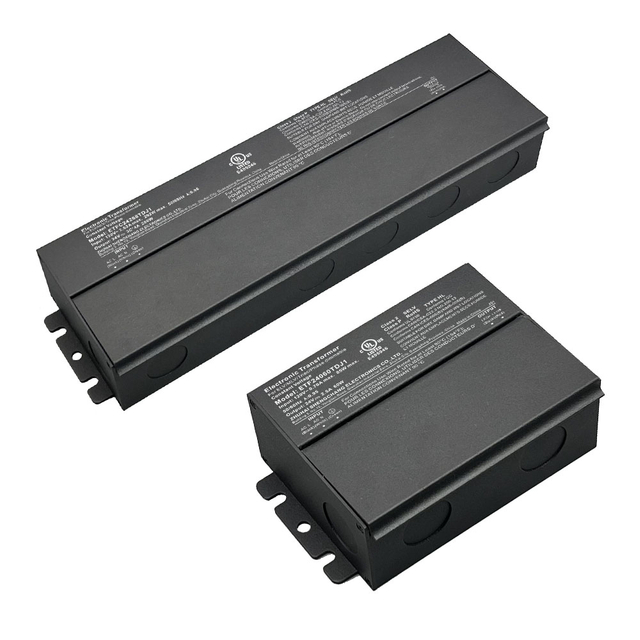
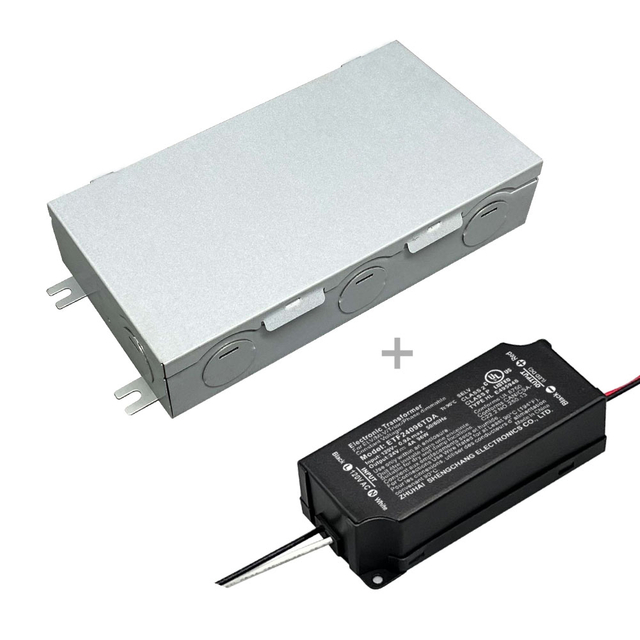
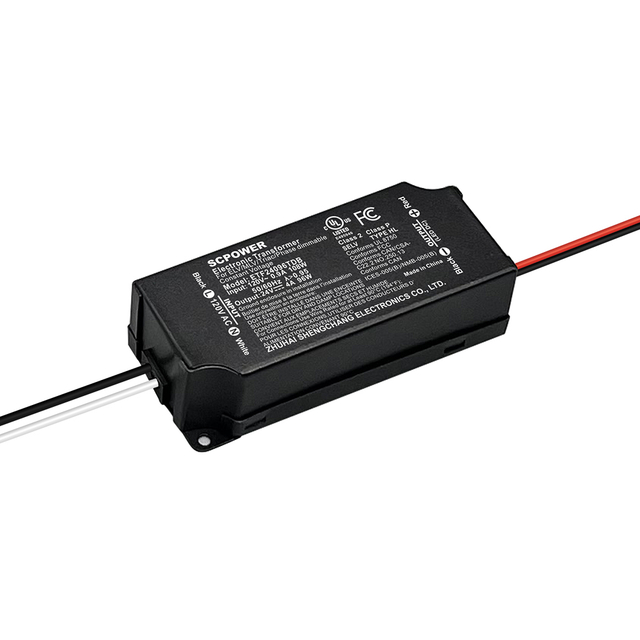
LED power supplies, also known as LED drivers, are essential components in any LED lighting system. Their primary function is to convert standard mains voltage to a lower, safe voltage suitable for LEDs, typically 12V or 24V. This conversion is crucial because LEDs require a stable and regulated direct current (DC) to operate efficiently. Without the correct power supply, LEDs can flicker, overheat, or even fail prematurely.
Moreover, LED power supplies help regulate the current flowing to the LEDs, ensuring consistent brightness and preventing damage due to voltage spikes. They also provide protection against electrical surges, which can be detrimental to the longevity of the lighting system. By using a proper LED driver, you guarantee that your lighting setup performs optimally, enhancing both safety and efficiency.
Types of LED Power Supplies
There are several types of LED power supplies available, each designed for specific applications:
Constant Voltage LED Power Supplies: These supplies maintain a steady voltage output, making them ideal for LED installations that require consistent voltage levels, such as LED strips and decorative lighting.
Constant Current LED Power Supplies: These are used for LED fixtures that need a specific current to function correctly. They adjust the voltage automatically to maintain the desired current level, ensuring the LEDs operate safely without flickering.
Dimmable LED Power Supplies: These allow for adjustable brightness levels, providing flexibility in lighting design. They are often used in environments where lighting needs vary, such as theaters or restaurants.
Waterproof LED Power Supplies: Designed for outdoor or damp environments, these power supplies are built to withstand moisture and dust, ensuring reliable performance in all weather conditions.
How to Choose the Right LED Power Supply
Selecting the appropriate LED power supply involves several key considerations:
Voltage Compatibility: Ensure the power supply voltage matches your LED lights. Common voltages are 12V and 24V. Always check the specifications of your LEDs before making a purchase.
Wattage: Calculate the total wattage of all LEDs you plan to connect. Choose a power supply with a capacity 20-30% higher than your total wattage to prevent overloading. For example, if your LED setup totals 160W, a 200W power supply is advisable.
Indoor vs. Outdoor Use: Consider where your LEDs will be installed. For indoor setups, a regular LED driver may suffice, but for outdoor installations, opt for waterproof models to ensure durability and safety.
Application Requirements: Different applications may require specialized power supplies. For instance, signage may need a constant voltage supply, while dimming capabilities may be necessary for mood lighting.
By understanding these factors, you can make informed decisions that enhance the safety and performance of your LED lighting installations.
Key Considerations for LED Transformer Installation
Choosing the Right Voltage and Wattage
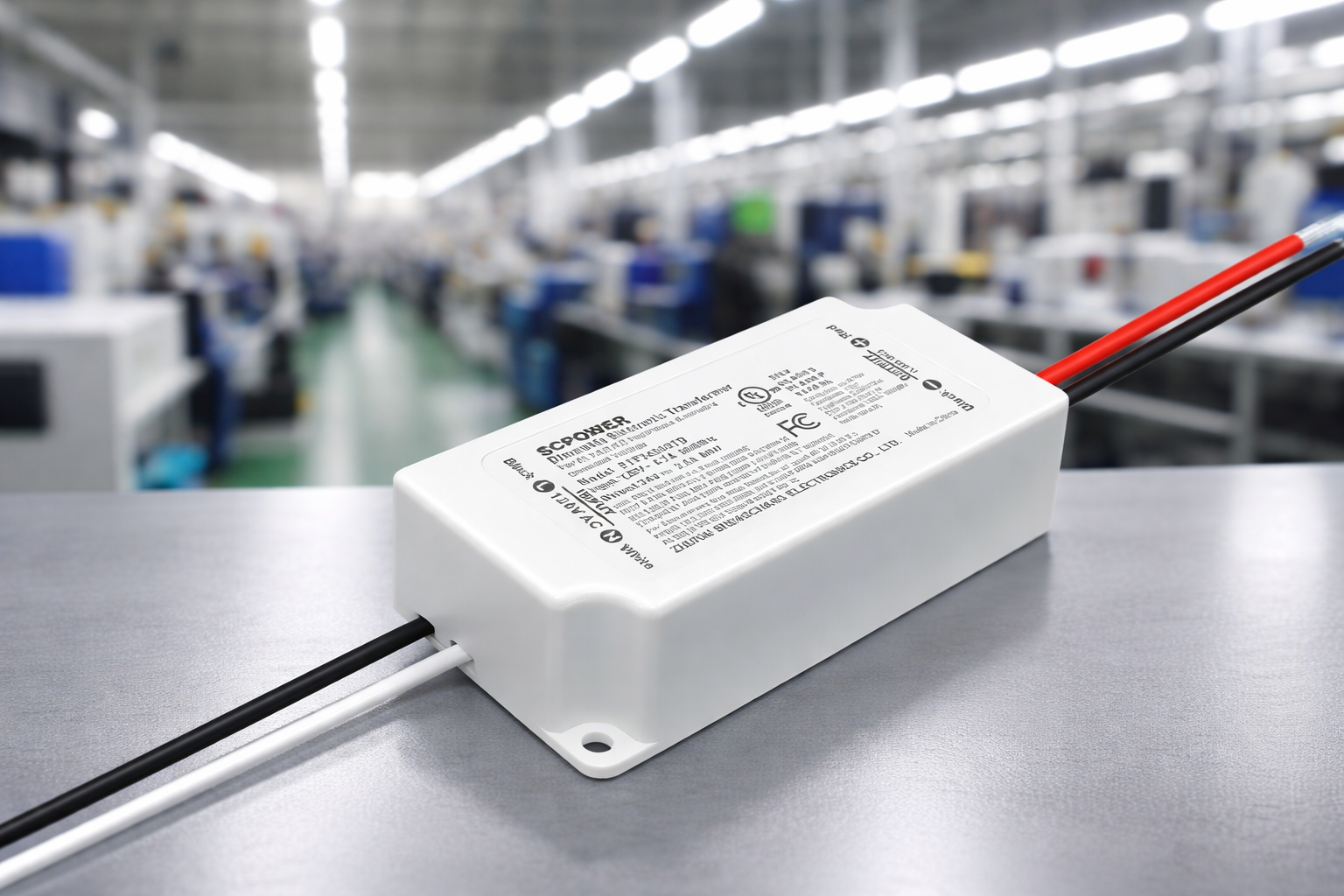
When installing LED transformers, the first step is ensuring you choose the correct voltage and wattage. LED lights typically operate at 12V or 24V. Using the wrong voltage can lead to flickering, overheating, or even damaging your lights. Always check the specifications of your LEDs before purchasing a transformer.
Wattage is equally important. Calculate the total wattage of all the LEDs in your setup. It's best to select a transformer with a capacity 20-30% higher than your total wattage to prevent overloading. For example, if your LED setup requires 160W, a transformer rated for at least 200W is advisable. This extra capacity not only enhances safety but also prolongs the life of your transformer.
Importance of Proper Wiring and Connections
Proper wiring and connections are crucial for the safety and efficiency of your LED installation. Use wires that are adequately rated for the current they will carry. Thicker wires typically have lower resistance, which reduces heat generation and potential fire hazards.
Ensure connections are secure and corrosion-resistant. Poor connections can lead to voltage drops and flickering lights. It's advisable to use connectors that are certified for electrical use and to avoid twisting wires together, as this can lead to unreliable connections.
Safety Measures During Installation
Safety should always be a priority during installation. Here are some essential measures to follow:
Power Off: Always turn off power at the circuit breaker before starting any work. This prevents electric shock and ensures a safer working environment.
Use Personal Protective Equipment (PPE): Wear insulated gloves and safety goggles to protect yourself from potential hazards.
Check Local Codes: Ensure your installation complies with local electrical codes and regulations. This not only ensures safety but also helps avoid legal issues.
Ventilation: Make sure the transformer has adequate ventilation. Transformers can generate heat during operation, and proper airflow helps prevent overheating. Avoid placing them in enclosed spaces without ventilation.
Inspect Components: Before installation, inspect all components for damage or wear. Using damaged equipment can lead to failures or hazards.
By following these guidelines, you can ensure a safe and efficient installation of your LED transformers, enhancing both performance and longevity.
Fusing and Protection in LED Circuits
The Role of Fuses in LED Circuits
Fuses play a vital role in protecting LED circuits from electrical faults. They act as safety devices that interrupt the flow of electricity when the current exceeds a predetermined level. This prevents damage to LED components and reduces the risk of fire hazards. In LED circuits, fuses can protect against two main types of overcurrent situations: overloads and short circuits.
Overloads occur when the total current exceeds the rated capacity of the circuit. This can happen if too many LEDs are connected or if a component malfunctions, causing excessive current flow.
Short circuits happen when current takes an unintended path, bypassing normal circuit components. This can lead to a sudden surge in current, which can quickly heat up components and create fire risks.
By using fuses, you ensure that if either of these situations occurs, the fuse will blow and cut off power to the circuit, protecting the LEDs and wiring from damage.
Understanding Overcurrent and Short Circuits
Overcurrent is a general term describing any situation where the current in a circuit exceeds its rated capacity. This can be due to either an overload or a short circuit. When designing LED circuits, it's crucial to understand the implications of these conditions:
Overloads can lead to overheating, which damages wires and LED components, ultimately affecting performance and safety.
Short circuits can cause immediate and severe damage, as they allow high current to flow unchecked. This can result in melted wires or even fires.
Both situations highlight the importance of selecting the correct fuse for your LED setup. It should be rated to blow before the current exceeds the safe limits of your circuit components.
Selecting the Correct Fuse for Your LED Setup
Choosing the right fuse is essential for ensuring safety and reliability in your LED installations. Here are some key considerations:
Fuse Rating: Select a fuse with a rating slightly above the normal operating current of your circuit. This allows for brief surges without blowing the fuse but protects against sustained overloads.
Type of Fuse: Fuses come in various types, such as fast-acting and slow-blow. Fast-acting fuses are suitable for circuits with sensitive components, while slow-blow fuses can handle temporary surges better, making them ideal for LED circuits.
Placement: Install fuses close to the power source on the positive wire. This minimizes the risk of damage to the circuit in the event of an overload or short circuit.
Multiple Fuses: In larger setups, consider using multiple fuses for different branches of the circuit. This ensures that a fault in one area does not affect the entire system.
By carefully selecting and installing the appropriate fuses, you can significantly enhance the safety and longevity of your LED lighting systems.
Wire Selection for LED Installations
Factors Affecting Wire Selection
Selecting the right wire for LED installations is crucial for safety and performance. Several factors influence this choice:
Current Rating: The wire must handle the current without overheating. The thicker the wire, the lower its resistance, which translates to less heat generation. This is especially important in LED setups where overheating can damage components or create fire hazards.
Length of Run: Longer wire runs can lead to voltage drop, affecting LED brightness. It's essential to calculate the total length of the wire and select a gauge that can handle the load over that distance.
Environment: Consider the installation environment. In damp or outdoor settings, use wires with appropriate insulation to prevent moisture damage. For indoor use, standard PVC insulation is often sufficient, but ensure it can handle the ambient temperature.
Voltage Rating: Ensure the wire is rated for the voltage of your LED system. For example, 12V systems typically require different wire ratings than 24V systems.
Understanding Wire Ratings and Specifications
Wire ratings are essential for ensuring safety and efficiency in LED installations. Here’s what to look for:
AWG (American Wire Gauge): This system measures wire diameter. The lower the AWG number, the thicker the wire. For LED installations, common gauges are 12 AWG, 14 AWG, and 16 AWG, depending on the current and length of the run.
Voltage Rating: Each wire type has a maximum voltage it can safely carry. Verify that the wire’s voltage rating exceeds the system’s operating voltage.
Temperature Rating: Wires are rated for maximum operating temperatures. Standard PVC insulation is rated around 80°C. In high-temperature environments, consider wires with higher temperature ratings.
Current Capacity: Each wire gauge has a maximum current it can carry safely, known as ampacity. Consult charts to find the appropriate gauge for your LED setup.
Tips for Reducing Voltage Drop
Voltage drop can significantly impact LED performance. Here are some practical tips to minimize it:
Use Thicker Wire: Opt for a thicker wire gauge to reduce resistance. This is especially important for longer runs.
Shorten the Distance: Whenever possible, minimize the distance between the power supply and the LEDs. Shorter runs reduce voltage drop.
Increase Voltage: If feasible, consider using a higher voltage system (like 24V instead of 12V). This reduces the current flowing through the wires, thereby minimizing voltage drop.
Use Quality Connectors: Ensure all connectors are high-quality and properly rated. Poor connections can increase resistance and lead to voltage drops.
Regular Maintenance: Periodically check connections and wiring for wear or damage. Replace any compromised components to maintain optimal performance.
By carefully selecting the right wire and following these guidelines, you can ensure a safe and efficient LED installation. Proper wire management not only enhances performance but also prolongs the life of your LED system.
Common Mistakes to Avoid with LED Transformers
Using Incorrect Transformers for LEDs
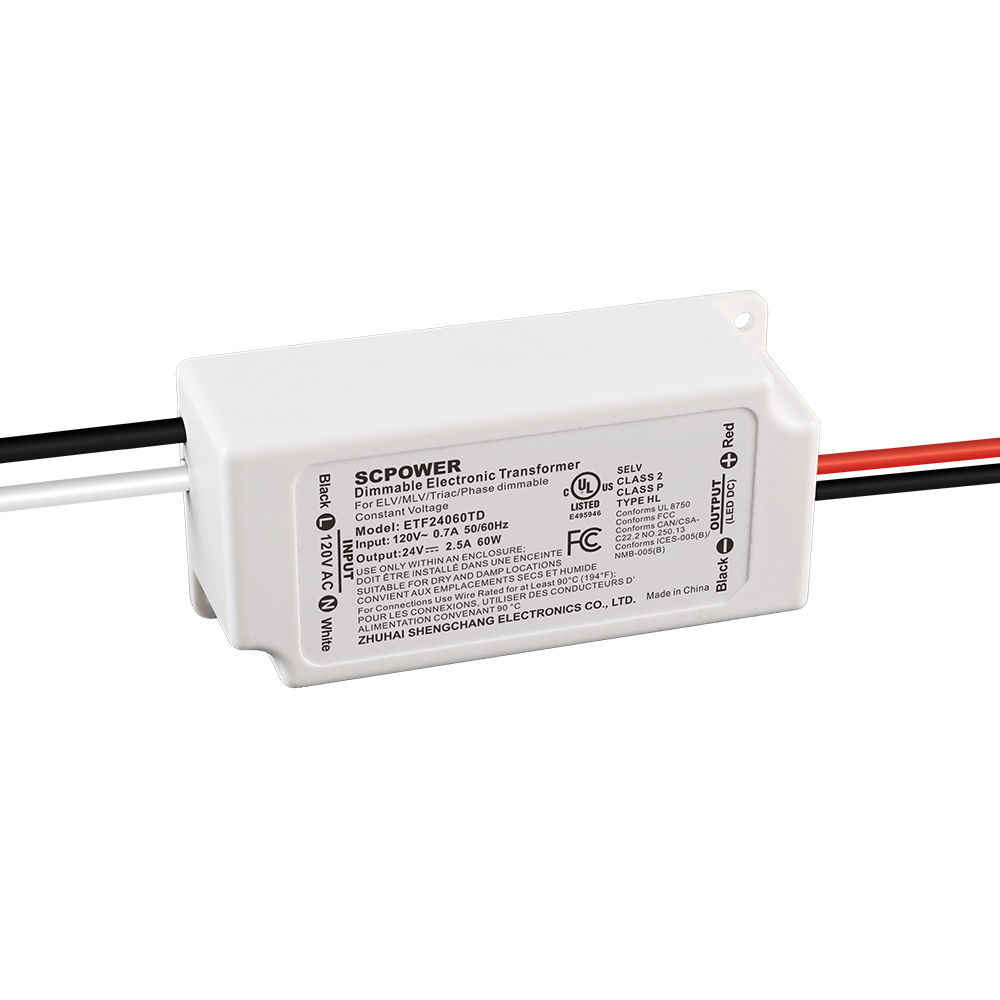
One of the most common mistakes when dealing with LED lighting is using the wrong transformer. Unlike traditional incandescent or halogen bulbs, LEDs require specific voltage and current levels. Using a halogen transformer, for example, can lead to poor performance, flickering, or complete failure of the LED lights. Always ensure that the transformer is explicitly designed for LED applications, as these transformers are built to handle the lower wattage and provide a stable current.
Overloading Circuits and Its Consequences
Overloading circuits can have severe consequences. When too many LEDs are connected to a single transformer, it can exceed the transformer's capacity, leading to overheating. This not only shortens the lifespan of the transformer but also poses a fire hazard. To prevent overloads, calculate the total wattage of all connected LEDs and ensure the transformer can handle at least 20-30% more than that total. For instance, if your LEDs require 160W, opt for a transformer rated at least 200W.
Neglecting Proper Ventilation and Heat Management
LED transformers generate heat during operation, and neglecting proper ventilation can lead to overheating. If transformers are installed in enclosed spaces without adequate airflow, they can overheat, which may damage the transformer and the connected LEDs. Always install transformers in well-ventilated areas and avoid placing heat-sensitive components nearby. If the transformer is installed vertically, ensure that no heat-emitting components are placed beneath it.
In summary, using the correct transformer, avoiding circuit overloads, and ensuring proper ventilation are critical steps for safe and efficient LED installations. By being aware of these common mistakes, you can enhance the longevity and performance of your LED lighting systems.
Tip: Always verify the specifications of your transformers to ensure they match the requirements of your LED lights, preventing flickering and overheating.
Best Practices for LED Transformer Maintenance
Regular Inspection and Testing
Maintaining your LED transformers is crucial for ensuring their longevity and optimal performance. Regular inspections should be part of your maintenance routine. Check for any visible signs of wear or damage, such as frayed wires, burnt connections, or corrosion. These issues can lead to failures or even safety hazards if left unaddressed.
Testing the transformers periodically is equally important. Use a multimeter to check voltage output and ensure it matches the specifications for your LEDs. This step helps identify any irregularities early on, allowing for timely repairs or replacements. If you notice flickering lights or inconsistent brightness, it may be time to inspect the transformer more closely.
Identifying Signs of Wear or Damage
Being proactive in identifying wear or damage can save you time and money in the long run. Look for these common signs:
Overheating: If the transformer feels excessively hot to the touch, it may be working harder than it should. This could indicate an overload or inadequate ventilation.
Unusual Noises: Humming or buzzing sounds can signal internal issues. Transformers should operate quietly; any noise may require further investigation.
Physical Damage: Inspect for cracks, dents, or signs of moisture ingress. These can compromise the transformer's integrity and lead to failures.
Discoloration: Any discoloration on the transformer casing can indicate overheating or electrical issues. This is a sign that the transformer needs immediate attention.
Addressing these signs promptly can prevent more severe problems down the line, ensuring your LED system remains safe and efficient.
Ensuring Compliance with Safety Standards
Compliance with safety standards is not just a legal obligation; it's essential for the safety of your installation. Always ensure that your LED transformers meet local electrical codes and regulations. This includes using transformers that are certified by recognized safety organizations, such as UL or CE.
In addition to compliance, consider the following best practices:
Documentation: Keep records of inspections, maintenance, and any repairs made. This documentation can be invaluable for warranty claims or in the event of an inspection.
Training: Ensure that anyone involved in the installation or maintenance of LED transformers is adequately trained. They should understand the specific requirements of LED systems and the importance of following safety protocols.
Use Quality Components: Invest in high-quality transformers and components. Cheaper alternatives may save money upfront but can lead to higher costs due to failures or shorter lifespans.
By following these best practices, you can ensure that your LED transformers operate safely and efficiently, extending their lifespan and enhancing the overall performance of your lighting system.
Conclusion
This article highlighted the importance of LED power supplies and transformers for safe LED installations. Understanding voltage and wattage requirements is crucial to prevent overloads and ensure proper function. Proper wiring and connections are vital for efficiency and safety. Regular maintenance, including inspections, helps identify potential issues early. Following best practices and safety standards ensures reliable performance. Suretron offers a wide range of high-quality LED drivers and power supplies, including constant voltage, constant current, and dimmable options. Browse our LED driver series to find the perfect solution for your lighting project.
FAQ
Q: What is an LED transformer?
A: An LED transformer is a device that converts standard mains voltage to a lower voltage, typically 12V or 24V, suitable for powering LED lights.
Q: How do I choose the right LED transformer?
A: To choose the right LED transformer, ensure it matches the voltage and wattage requirements of your LEDs, and consider the specific application needs.
Q: Why is proper wiring important for LED transformers?
A: Proper wiring is crucial for LED transformers as it ensures safety, prevents overheating, and maintains consistent brightness in your LED lighting system.
Q: What are the benefits of using a quality LED transformer?
A: A quality LED transformer enhances efficiency, prolongs the lifespan of your LEDs, and prevents flickering or overheating issues.
Q: How can I troubleshoot my LED transformer?
A: To troubleshoot your LED transformer, check for visible damage, ensure proper connections, and test the voltage output with a multimeter.