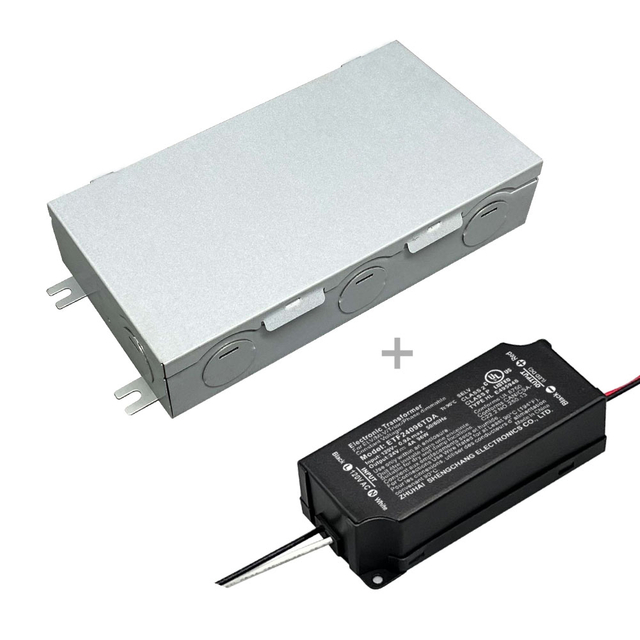
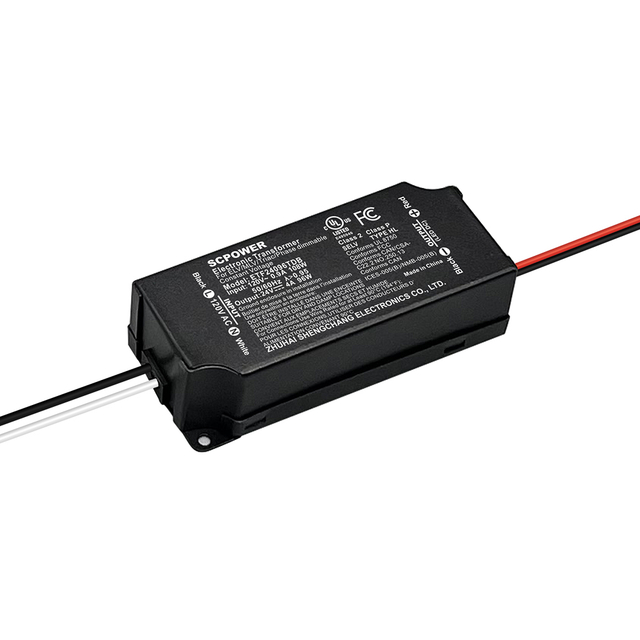
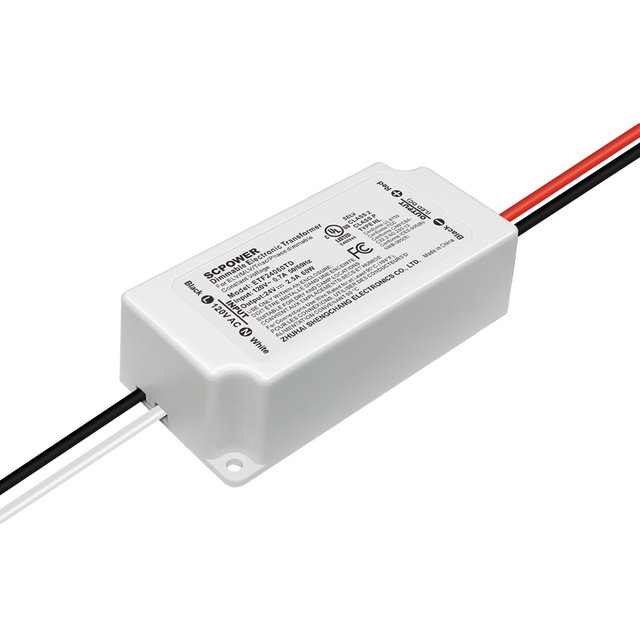
Introduction
Are you tired of flickering LED lights? Choosing the right LED transformer can solve this problem. LED transformers are essential for converting high voltage to the stable, low voltage needed for LED lights. In this article, you’ll learn how to select the perfect transformer for stable performance with your LED strip lights.
Understanding LED Transformers and Their Functions
Role of LED Transformers in Voltage Regulation
LED transformers, also known as LED drivers, play a crucial role in regulating the voltage supplied to LED lights. Unlike traditional incandescent or halogen bulbs that can operate directly on mains voltage, LEDs require a lower, stable voltage to function correctly. LED transformers convert high voltage AC (alternating current) from the mains into a suitable low voltage DC (direct current) that LEDs can use efficiently. This step-down process is essential to prevent damage to the LEDs, ensuring they operate at their optimal performance levels.
AC to DC Conversion Process
The conversion from AC to DC is vital for LED operation. LEDs are designed to work with direct current, and supplying them with alternating current can lead to flickering, overheating, or even complete failure. LED transformers are engineered to perform this conversion efficiently. They take the alternating current, typically at 230V, and convert it to a stable DC output, commonly at 12V or 24V, depending on the specific requirements of the LED system. This process not only protects the LEDs but also enhances their longevity and reliability.
Power Regulation and Efficiency
Another critical function of LED transformers is power regulation. They ensure that the power delivered to the LED lights is consistent, preventing fluctuations that can cause flickering or dimming. This regulation is particularly important in larger installations where multiple LED strips or fixtures are connected. A well-designed LED transformer will optimize power usage, reducing energy consumption and lowering electricity bills. Additionally, efficient power regulation minimizes heat generation, which can be a significant factor in the lifespan of both the transformer and the LEDs. By maintaining a steady output, LED transformers contribute significantly to the overall efficiency and performance of the lighting system.
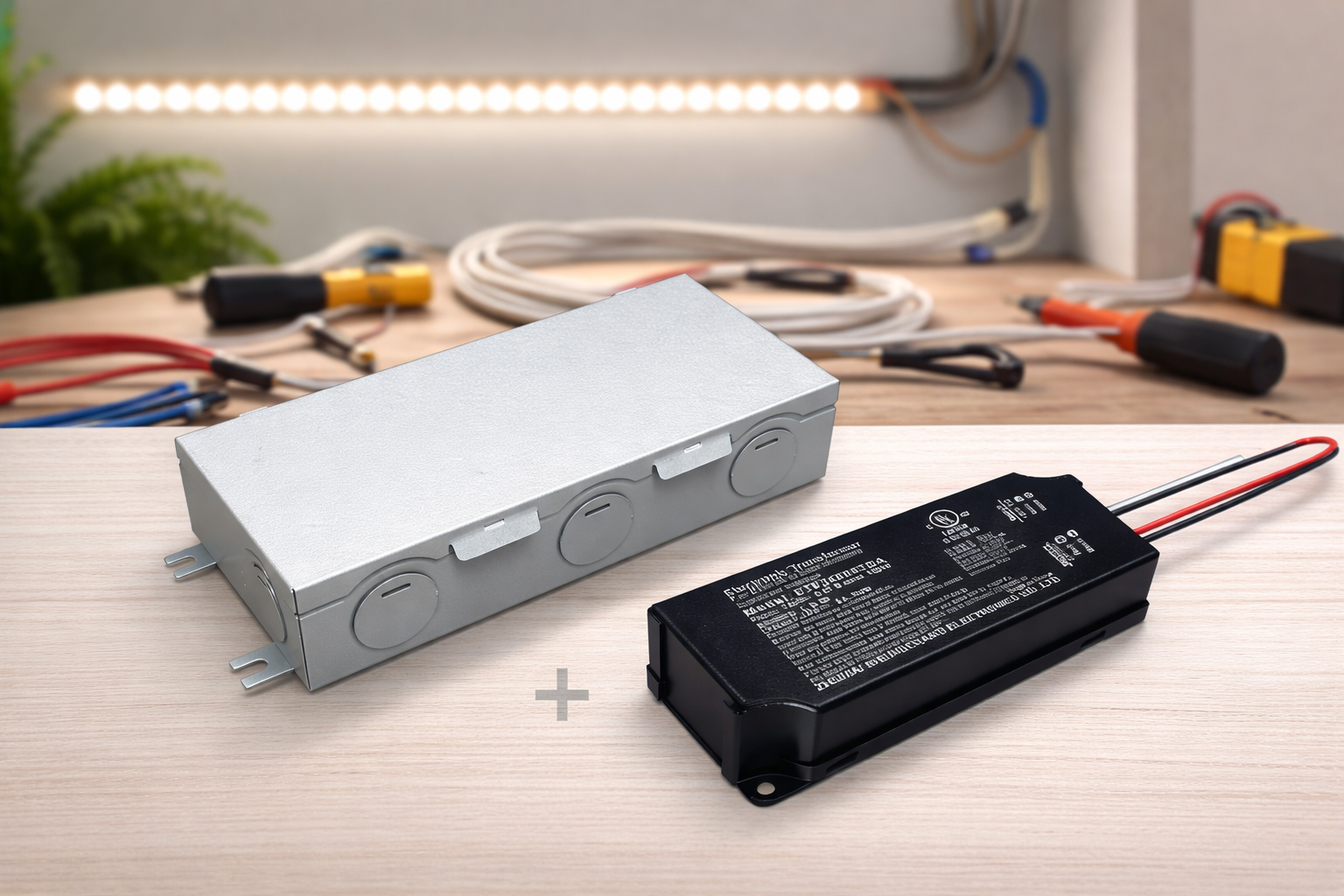
How to Choose the Right LED Transformer
Voltage Matching: 12V vs 24V vs 48V
When selecting an LED transformer, the first step is to ensure that the voltage matches the requirements of your LED strip lights. Common voltages include 12V, 24V, and even 48V. Each LED strip is designed to operate at a specific voltage, and using the wrong voltage can lead to serious issues.
12V LED Strips: Often used for home lighting, accent lights, and smaller installations. They are ideal for shorter runs and applications where space is limited.
24V LED Strips: Better suited for longer runs, such as in commercial or architectural lighting. They provide more consistent brightness over longer distances and reduce voltage drop, which can be an issue with 12V systems.
48V LED Strips: Typically used in larger commercial applications. They allow for even longer runs without significant voltage drop, making them perfect for extensive lighting setups.
Always check your LED strip's specifications to determine the correct voltage. Mismatching can cause flickering, overheating, or even permanent damage to the LEDs.
Wattage Calculation and Safety Margin
Next, calculate the total wattage your LED setup requires. This involves a simple formula:
Find Wattage per Meter: Check the specifications of your LED strip. For example, a strip might consume 9.6W per meter.
Total Length: Measure the total length of LED strip you plan to use. For instance, if you have 5 meters of strip, multiply the wattage per meter by the total length.
Add a Safety Margin: It’s crucial to add a safety margin of 20-30% to your calculations. This prevents the transformer from being overloaded and ensures longevity.
Choosing a transformer that exceeds your calculated needs helps avoid flickering and extends the lifespan of both the transformer and the LEDs.
Dimming Compatibility Considerations
If you plan to use dimmable LED strips, ensure that the transformer is compatible with your dimming system. Not all transformers support dimming, and using a non-dimmable transformer with dimmable strips can lead to flickering or inconsistent brightness.
Types of Dimming: Common dimming methods include TRIAC, 0-10V, and DALI. Make sure your transformer matches the dimming protocol you intend to use.
Testing: After installation, test the system to ensure smooth dimming without flickers. If issues arise, verify compatibility between the transformer and the dimming system.
In summary, selecting the right LED transformer involves careful consideration of voltage, wattage, and dimming compatibility. This ensures a stable and efficient lighting system that performs optimally and lasts longer.
Tip: Always select a transformer with a higher wattage rating than your calculated needs to ensure stable performance and prevent overheating.
Common Types of LED Transformers
When selecting an LED transformer, understanding the different types available is crucial for ensuring optimal performance and reliability in your lighting system. Here’s a breakdown of the most common types of LED transformers.
Constant Voltage vs Constant Current Transformers
LED transformers are primarily categorized into two types: constant voltage (CV) and constant current (CC) transformers.
Constant Voltage Transformers: These transformers provide a fixed output voltage, typically 12V or 24V. They are ideal for applications where multiple LED strips or fixtures are connected in parallel. The voltage remains steady, while the current adjusts based on the number of lights connected. This type is commonly used for LED strip lights and fixtures that require a stable voltage supply.
Constant Current Transformers: These transformers maintain a fixed current output, adjusting the voltage as needed to match the requirements of the connected LEDs. This is particularly useful for high-power LEDs or when precise brightness control is essential. Constant current transformers are often used in applications requiring longer runs of LED strips or where the load varies significantly.
Waterproof Transformers for Outdoor Use
For outdoor applications, waterproof transformers are essential. These transformers are designed to withstand exposure to moisture and dust, ensuring the longevity of your lighting system. Look for transformers with an IP rating of at least IP65, which signifies they are protected against water jets and dust ingress.
Applications: Waterproof transformers are ideal for garden lighting, outdoor signage, and architectural lighting. They ensure that your LED lights operate safely and efficiently, even in harsh weather conditions.
Specialty Transformers for RGB and Dimmable LEDs
Specialty transformers cater to specific applications, such as RGB lighting and dimmable LEDs.
RGB Transformers: These transformers are designed to handle the unique requirements of RGB LED strips, which combine red, green, and blue LEDs to produce various colors. They often include additional features like signal amplification to ensure consistent color output across longer runs.
Dimmable Transformers: If you plan to use dimmable LED strips, ensure your transformer supports dimming. Dimmable transformers can work with various dimming protocols, such as TRIAC or 0-10V, allowing you to adjust brightness levels smoothly without flickering.
Summary of Transformer Types
| Type | Description | Best For |
| Constant Voltage | Provides a fixed voltage output (12V, 24V) | LED strips and multiple fixtures |
| Constant Current | Maintains a fixed current, adjusts voltage as needed | High-power LEDs and precise control |
| Waterproof | Designed for outdoor use, IP rated (IP65+) | Garden lighting, outdoor signage |
| Specialty (RGB/Dimmable) | Tailored for specific applications (color control) | RGB lighting, dimmable setups |
Choosing the right type of LED transformer is vital for achieving stable performance and extending the lifespan of your lighting system. Consider your specific application needs and ensure compatibility with your LED fixtures.
Installing LED Transformers: A Step-by-Step Guide
Preparing Your LED Strip and Transformer
Before installing your LED transformer, gather all necessary materials. Ensure you have the LED strip lights, the transformer, wire connectors, and basic tools like wire strippers and a screwdriver.
Check Specifications: Confirm the voltage and wattage ratings of both the LED strip and the transformer. Make sure they match. For instance, if your LED strip operates at 12V, you need a 12V transformer.
Measure Length: Determine the total length of the LED strip you plan to install. This will help you calculate the required wattage and ensure that the transformer can handle the load.
Cut the LED Strip: If necessary, cut the LED strip to the desired length, following the manufacturer's guidelines. Most strips have designated cut points.
Strip the Wires: For both the LED strip and the transformer, strip about 1/4 inch of insulation from the ends of the wires. This will ensure a solid connection.
Connecting Wires: Safety Precautions
Safety should always come first when working with electrical components. Follow these precautions to avoid hazards:
Disconnect Power: Always disconnect the power source before starting the installation. This prevents accidental shocks or short circuits.
Identify Polarity: Check the positive (+) and negative (-) terminals on both the LED strip and transformer. Ensure you connect them correctly to avoid damaging the components.
Use Proper Tools: Utilize wire connectors or soldering tools to make secure connections. Loose connections can lead to flickering or failure.
Connection Steps:
Connect Wires:
For screw terminal power supplies, loosen the screws on the output terminals. Insert the positive wire from the LED strip into the (+) terminal and the negative wire into the (-) terminal. Tighten the screws to secure the connections.
For DC jack power supplies, simply plug the male connector from the transformer into the female jack on the LED strip.
For bare wire connections, use solderless connectors or solder the wires together. Insulate all connections with electrical tape or heat shrink tubing.
Check Connections: After making all connections, double-check to ensure they are secure and correctly aligned with the polarity.
Testing Your LED Setup
Once all connections are made, it’s time to test the system:
Reconnect Power: Plug the transformer back into the power outlet or turn on the circuit breaker.
Power On: Switch on the LED strip. Observe whether all sections light up uniformly. If there are issues, check the connections again for any loose or incorrect wiring.
Monitor Performance: Look for flickering, dimming, or overheating. These could indicate problems with the connections or the transformer.
Final Adjustments: If everything works correctly, secure any loose wires and tidy up your installation area.
Troubleshooting Common LED Transformer Issues
Identifying Flickering or Dimming Problems
Flickering or dimming in LED lights is a common issue that can stem from several factors. First, check the compatibility between the LED transformer and the LED lights. If the transformer is not rated for the correct voltage or wattage, it can lead to unstable performance.
Another reason for flickering could be poor connections. Loose or corroded wires can disrupt the flow of electricity, causing flickering. Inspect all connections to ensure they are secure and properly insulated. If the connections are good but the flickering persists, consider the transformer’s quality. Low-quality transformers may not regulate voltage effectively, leading to inconsistent brightness.
Lastly, if you are using dimmable LED strips, ensure that the transformer supports the dimming function. Some transformers can’t handle dimming signals, resulting in flickering or uneven brightness.
Overheating and Voltage Drop Solutions
Overheating is a serious issue that can damage both the transformer and the LEDs. If you notice excessive heat, first verify that the transformer is not overloaded. Calculate the total wattage required by your LED setup and ensure that the transformer is rated for at least 20-30% more than that total.
If the transformer is appropriately sized but still overheating, check for proper ventilation. Transformers need adequate airflow to dissipate heat. Ensure they are not enclosed in a tight space without airflow.
Voltage drop can also contribute to overheating. Long runs of LED strips can cause voltage to decrease, leading to inadequate power supply to the LEDs. To mitigate this, use thicker gauge wires for longer runs, or consider injecting power at multiple points along the strip to maintain consistent voltage.
Signs of a Failing LED Transformer
A failing LED transformer can exhibit several warning signs. If you notice flickering, dimming, or inconsistent lighting, it could indicate that the transformer is struggling to supply the required power. Additionally, listen for buzzing or humming noises, which can signal internal issues.
Physical signs of failure include discoloration, burning smells, or visible damage. If the transformer is hot to the touch, it may be working too hard or may have internal faults. In such cases, it’s advisable to disconnect the power immediately and replace the transformer.
Regularly inspecting your LED transformer can help you catch these issues early. Look for signs of wear, loose connections, or overheating to ensure your lighting system remains stable and efficient.
Future-Proofing Your LED Lighting System
Planning for Expansion and Upgrades
When designing your LED lighting system, it's essential to think ahead. Consider the possibility of future expansions or upgrades. By planning for growth, you can avoid costly replacements and rework later. Here are some steps to ensure your system is ready for the future:
Choose a Scalable Transformer: Select a transformer with a higher wattage rating than your current needs. This allows for additional LED strips or fixtures to be added later without requiring a new transformer.
Use Modular Components: Opt for modular wiring and connectors. This makes it easier to add or replace parts of your system as your needs change.
Leave Extra Capacity: If your current setup uses 60W, consider a 100W transformer. This extra capacity will accommodate future additions.
Choosing Smart and Dimmable Options
Smart lighting solutions are becoming increasingly popular. They not only enhance user experience but also provide flexibility in lighting control. When selecting your LED transformer, consider the following:
Dimming Compatibility: If you plan to use dimmable LED strips, ensure your transformer supports this feature. Not all transformers are compatible with dimming systems, which can lead to flickering or inconsistent brightness.
Smart Technology: Look for transformers that are compatible with smart home systems. This allows for remote control and automation, making your lighting more versatile and user-friendly.
Future-Proofing Dimming Protocols: Choose dimmable transformers that support various protocols, such as TRIAC, 0-10V, or DALI. This ensures compatibility with different dimming systems you may want to use in the future.
Ensuring Compliance with Safety Standards
Safety should always be a priority when designing your LED lighting system. Compliance with safety standards helps prevent hazards and ensures the longevity of your setup. Here are some key points to consider:
Check Certifications: Ensure your LED transformers and components have relevant certifications, such as UL or CE. These certifications indicate that the products meet safety and performance standards.
Follow Local Electrical Codes: When installing your lighting system, adhere to local electrical codes. This is crucial for safety and can prevent legal issues down the road.
Use Quality Components: Invest in high-quality transformers and wiring. Quality components are less likely to fail and can withstand the rigors of long-term use.
By planning for future expansions, choosing smart options, and ensuring compliance with safety standards, you can create a robust LED lighting system. This proactive approach not only enhances functionality but also extends the life of your lighting setup.
Conclusion
Selecting the right LED transformer is crucial for optimal performance. Proper voltage matching ensures that your LED strips function efficiently. Wattage calculations and safety margins help prevent overheating. Dimming compatibility enhances versatility and control over lighting. Investing in quality transformers ensures longevity and reliability in your lighting system. Suretron offers a wide range of high-quality LED drivers, including dimmable and waterproof options, ensuring stable performance for your LED projects. Explore our LED driver series to find the perfect match for your application.
FAQ
Q: What is an LED transformer?
A: An LED transformer, also known as an LED driver, regulates the voltage supplied to LED lights, converting high voltage AC to a stable low voltage DC for efficient operation.
Q: How do I choose the right LED transformer?
A: To choose the right LED transformer, ensure it matches the voltage and wattage requirements of your LED lights to prevent performance issues.
Q: Why is my LED transformer overheating?
A: Overheating in an LED transformer can occur due to overload or inadequate ventilation; ensure it is rated for at least 20-30% more wattage than your total LED load.
Q: What are the benefits of using a quality LED transformer?
A: A quality LED transformer enhances performance, reduces flickering, and extends the lifespan of both the transformer and the LED lights.
Q: How can I troubleshoot flickering in my LED lights?
A: Check the compatibility of your LED transformer with the lights and inspect all connections for security and proper polarity.