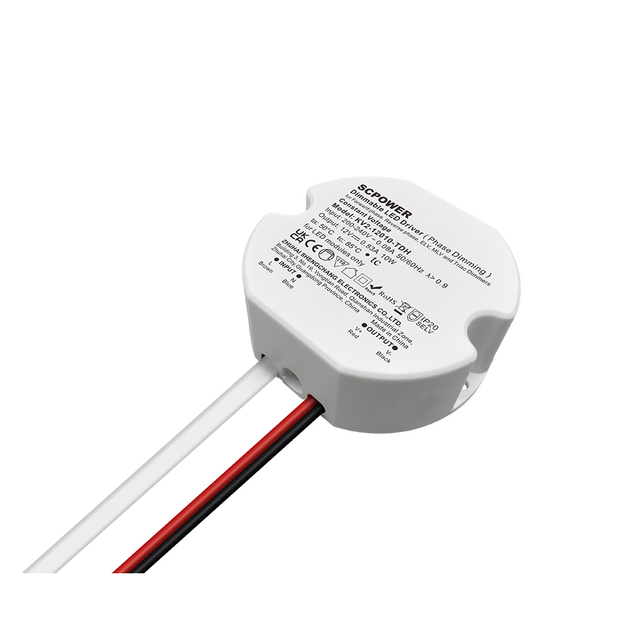
Are you confused about choosing the right LED power supply? Understanding the differences between 5V, 12V, and 24V options is crucial. Selecting the correct LED power supply ensures optimal performance and longevity for your lighting projects.
In this guide, you'll learn about LED power supplies, their definitions, and the importance of voltage selection. We’ll also explore common applications for each voltage type.
Understanding LED Power Supplies (Short Version)
An LED power supply (often called an LED driver or transformer) does more than convert AC to DC. Its real job is to deliver stable, controlled output so LEDs run safely, dim smoothly (if required), and maintain performance over time.
In real-world projects, most issues come from the wrong selection—not from the LEDs themselves. Before choosing a unit, focus on these four essentials.
The 4 Essentials for Selecting an LED Power Supply
Voltage Matching
The output voltage must match the LED product’s rated voltage exactly (e.g., 12V strip → 12V supply). Using the wrong voltage can cause unstable performance, flicker, overheating, or permanent damage.
Wattage Headroom (Power Margin)
Add up the total load wattage and leave a safety margin—commonly 20% or more—so the power supply isn’t operating at full load continuously. This helps reduce heat stress and improves lifespan and reliability.
Environment & Protection (IP Rating)
Choose the right protection level for the installation site:
Dimming Compatibility
If dimming is needed, the power supply must match the control method (TRIAC, 0-10V, DALI, DMX, etc.). For professional-grade dimming—especially deep dimming (e.g., 1% brightness)—pay attention to:
dimming linearity
minimum load requirements
low-level stability (no shimmer, no drop-out)
flicker performance across the full dimming range
Types of LED Power Supplies
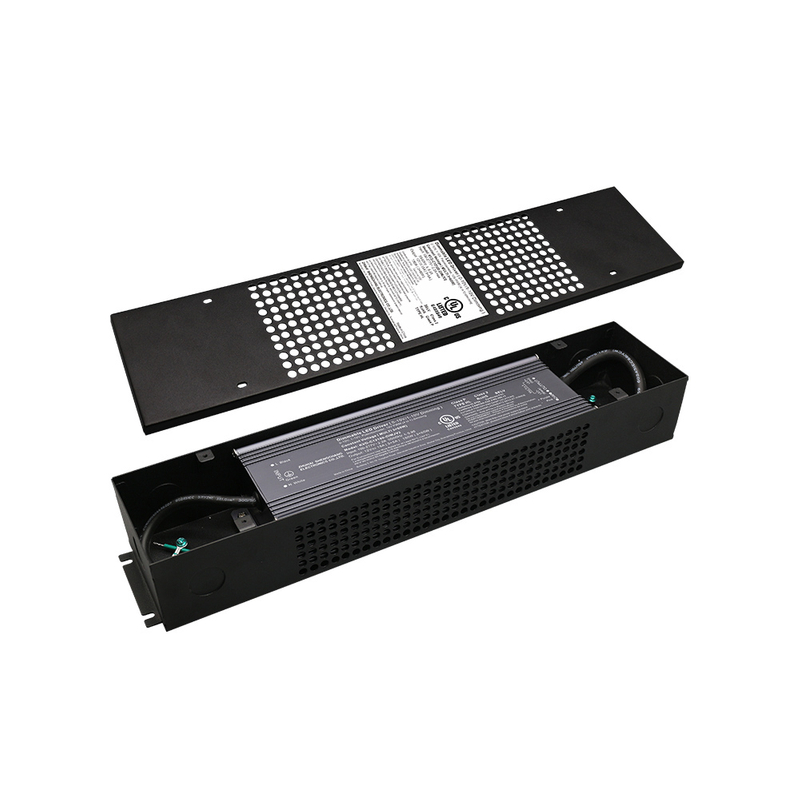
What are the Different Types of LED Power Supplies?
LED power supplies are crucial components in any LED lighting setup, and they come in a variety of types tailored for different applications. The two primary categories are constant voltage and constant current supplies.
Constant Voltage Supplies provide a fixed output voltage, making them ideal for applications where the voltage needs to remain stable. This type is commonly used in LED strips and decorative lighting, where a consistent voltage ensures uniform brightness across all LEDs.
In contrast, Constant Current Supplies maintain a steady current flow, which is essential for high-power LEDs that require specific current levels to operate efficiently. These supplies prevent the LEDs from drawing too much current, which could lead to overheating and damage.
Here’s a quick comparison of these two types:
Type | Characteristics | Typical Applications |
Constant Voltage | Fixed voltage output | LED strips, decorative lighting |
Constant Current | Fixed current output | High-power LEDs, street lighting |
Understanding these types helps you choose the right power supply for your LED projects.
Dimmable vs. Non-Dimmable Options
Another critical aspect of LED power supplies is their dimming capability. Dimmable LED power supplies allow users to adjust brightness levels, providing flexibility in lighting design. This feature is particularly useful in settings like restaurants or homes where ambiance is essential. Dimmable power supplies can use various protocols such as 0-10V, DALI, or DMX512 to enable seamless dimming.
On the other hand, non-dimmable supplies offer a constant output without any adjustment options. They are typically simpler and less expensive, making them suitable for applications where fixed lighting levels are acceptable.
Suretron offers a wide range of both dimmable and non-dimmable power supplies. Their products include advanced dimming technologies, allowing users to create the perfect atmosphere for any space, whether it's a cozy living room or a vibrant commercial display.
Voltage Options in LED Power Supply
Why are 5V, 12V, and 24V Power Supplies Common?
5V, 12V, and 24V power supplies are popular choices due to their versatility and compatibility with various LED applications. Each voltage level serves different needs, making them suitable for a wide range of projects.
5V power supplies are often used for small decorative lights and low-power modules, such as LED strips for accent lighting.
12V supplies are prevalent in residential lighting and commercial displays, providing a balance between power and efficiency.
24V power supplies are ideal for larger installations, especially in outdoor settings where higher power capacity is needed.
This variety ensures that whether you are working on a small DIY project or a large commercial installation, there’s a suitable power supply available.
Benefits and Limitations of Each Voltage Type
Voltage | Benefits | Limitations |
5V | Perfect for small, low-power uses | Limited power capacity, not suitable for high loads |
12V | Versatile for many applications | Slightly higher voltage drop over longer distances |
24V | Higher power capacity, less drop | More expensive, requires careful installation |
Suretron’s product range supports these voltage levels, ensuring you find the right fit for your specific needs. They provide detailed specifications and applications for each voltage type, helping customers make informed decisions.
5V LED Power Supply
What Applications are Best Suited for 5V LED Power Supplies?
5V LED power supplies are perfect for small-scale applications. They are commonly used in decorative lighting, such as fairy lights, and low-power modules like LED strips. These supplies are also found in various consumer electronics, where compactness and efficiency are essential.
For example, in DIY projects, 5V power supplies are ideal for powering LED strips in home decor or model building. Their low voltage makes them safe to handle, reducing the risk of electric shock.
Key Specifications of 5V LED Power Supplies
Power Range: Typically between 30W and 60W, optimized for small loads. This range is sufficient for most low-power applications, ensuring reliable performance without overloading.
Dimming Support: Optional 0-10V dimming is available, allowing for smooth brightness adjustments. This feature enhances the versatility of 5V supplies, making them suitable for various lighting scenarios.
Safety Features: Built-in short-circuit and over-temperature protection enhance reliability. These safety mechanisms prevent potential damage to both the power supply and connected LEDs, ensuring a longer lifespan.
Advantages of Using 5V LED Power Supplies
Using 5V supplies offers energy efficiency and safety. They are ideal for low-power applications where minimal energy consumption is crucial. Additionally, they generate less heat compared to higher voltage supplies, making them safer for prolonged use.
For instance, Suretron provides tailored 5V products, ensuring you have the best solutions for your specific needs. Their offerings include compact designs that fit easily into tight spaces while delivering reliable performance.
12V LED Power Supply
What are the Most Common Applications for 12V LED Power Supplies?
12V LED power supplies are incredibly versatile. They are widely used in residential settings for under-cabinet lighting, accent lighting, and landscape lighting. Additionally, they are common in commercial environments for display lighting, signage, and architectural features.
The 12V system strikes a balance between power and efficiency, making it suitable for a wide array of applications. For example, in retail spaces, 12V LED strips can enhance product displays while providing energy-efficient lighting.
Key Specifications of 12V LED Power Supplies
Power Range: From 30W to 600W, covering various small to medium power needs. This range accommodates everything from simple LED strips to more complex lighting systems.
Dimming Protocols: Supports multiple options like 0-10V, Triac, DALI-2, and DMX512. This flexibility allows for integration into sophisticated lighting control systems, enhancing user experience.
Advantages of 12V LED Power Supplies
12V supplies offer flexibility and safety, making them suitable for a variety of applications. They are compatible with many dimming protocols, enhancing their usability. This adaptability makes them an excellent choice for both residential and commercial projects.
Suretron’s offerings include products like the 150W/200W CV Triac/BLE LED Strip Power Supply, designed specifically for diverse lighting projects. These products ensure reliable performance while meeting the demands of modern lighting designs.
24V LED Power Supply
When Should You Use a 24V LED Power Supply?
24V LED power supplies are ideal for larger-scale or outdoor projects. They are perfect for installations requiring higher power capacity, such as architectural lighting, street lighting, and large commercial displays. Their ability to handle more power makes them suitable for extensive setups where multiple LEDs need to be connected.
Key Specifications of 24V LED Power Supplies
Power Range: Supports from 30W to 800W, accommodating medium to high-power LED systems. This range allows for versatility in various applications, from residential to industrial.
Durability: Rated IP65 to IP67, ensuring protection against dust and water for outdoor applications. This durability is crucial for installations exposed to the elements, providing peace of mind for users.
Benefits of Using 24V LED Power Supplies
One of the key advantages of 24V supplies is reduced voltage drop over long distances. This feature ensures consistent brightness across large installations, making it ideal for extensive lighting setups.
Suretron’s 24V products are designed for both industrial and commercial use, providing robust solutions for demanding environments. Their high-quality construction and performance make them a reliable choice for any project requiring powerful LED lighting.
How to Choose the Right LED Power Supply
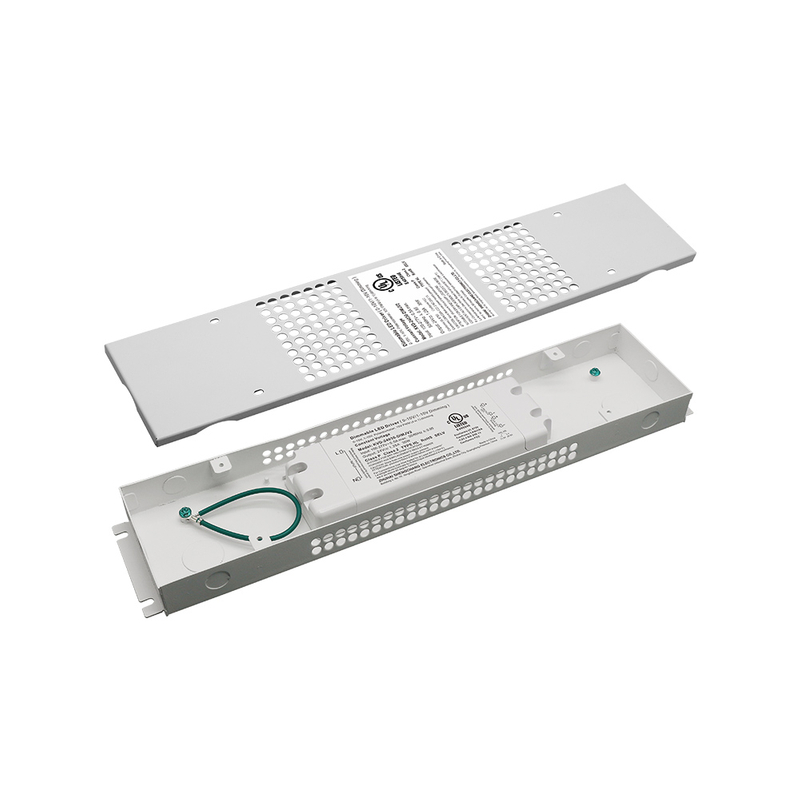
Selecting the right LED power supply is crucial for the performance and longevity of your lighting system. Several factors come into play when making this decision, ensuring that your setup operates efficiently and safely.
What Factors Should You Consider When Selecting an LED Power Supply?
Matching Voltage and Wattage to LED Requirements
First and foremost, you need to match the voltage and wattage of the power supply to your LED requirements. If you’re using 5V LEDs, make sure to choose a 5V power supply. Similarly, for 12V or 24V systems, select accordingly.
To determine the wattage needed, add up the wattage ratings of all the LED lights you plan to use. For example, if you have ten 5W LEDs, you’ll need at least 50W of power. It’s wise to add a safety buffer of about 20% to account for any additional loads or inefficiencies. This means you should opt for a power supply rated for at least 60W.
Environmental Considerations (IP Ratings)
Environmental factors are also important. The IP rating (Ingress Protection) indicates how well a power supply can resist dust and moisture. For outdoor or damp environments, look for power supplies with an IP65 or higher rating. This ensures that your equipment remains protected from the elements, extending its lifespan.
IP Rating | Protection Level |
IP20 | No protection against water |
IP65 | Dust-tight, protected against water jets |
IP67 | Dust-tight, protected against immersion in water |
Choosing the right IP rating is essential for maintaining safety and performance in different environments.
Importance of Choosing a Reliable Brand Like Suretron for Quality Assurance
When it comes to LED power supplies, quality matters. Opting for a reputable brand like Suretron ensures you’re getting a product built to last. Suretron power supplies undergo rigorous testing and quality control, providing peace of mind. Their products often come with warranties, adding an extra layer of security to your investment.
How to Calculate Wattage Needs for Your LED Setup
Calculating your wattage needs is straightforward. Start by summing the total wattage of all your LEDs. For instance, if you have five 10W LEDs, that totals 50W. To ensure optimal performance and prevent overheating, add a 20% safety buffer.
Here’s a simple formula to follow:
Total Wattage Needed = (Sum of LED Wattages) × 1.2
For our example:
This calculation helps you choose a power supply with sufficient capacity for your setup.
Dimming Capabilities
Why is Dimming Important in LED Applications?
Dimming capabilities are vital for creating the desired ambiance in any space. It allows users to adjust brightness levels, enhancing comfort and energy efficiency. Flicker-free dimming improves the user experience, reducing eye strain and creating a more pleasant environment.
Benefits of Flicker-Free Dimming for User Experience
Flicker-free dimming provides numerous benefits. It creates a smoother transition between brightness levels, making it easier on the eyes. This is particularly important in settings like offices or homes, where people spend extended periods under artificial lighting.
What Dimming Protocols Are Available?
There are several dimming protocols available, each offering unique features:
Triac Dimming: A simple method using standard wall dimmers, suitable for basic applications.
DALI-2: A digital protocol allowing for advanced control and integration into smart systems.
DMX512: Commonly used in theatrical and stage lighting, providing precise control over multiple fixtures.
0-10V Dimming: A versatile option that works well with most LED setups, allowing for smooth dimming.
Suretron supports various dimming technologies, ensuring that you can find a power supply that meets your specific dimming needs. Whether you want simple on/off control or advanced lighting management, they have options to suit your project.
Choosing the right LED power supply involves careful consideration of voltage, wattage, environmental factors, and brand reliability. By following these guidelines, you can ensure a successful and efficient LED lighting setup.
Risk Warnings & Acceptance Checklist for LED Power Supplies
When selecting an LED power supply, many people make the mistake of focusing solely on matching the voltage and ensuring sufficient wattage. However, this approach can lead to significant risks in three key areas: comfort, safety, and project costs. Understanding these risks is crucial for achieving optimal performance and longevity from your lighting systems.
1) Flicker & Low-Level Instability (Comfort / Health Risk)
Common Symptoms:
Visible flicker or shimmer at low brightness settings
Sudden jumps in brightness
Banding lines appearing in recorded videos
Why This Matters: Flickering lights can cause eye strain and headaches, leading to discomfort in various environments, including hotels, offices, and homes. Poor lighting quality can significantly affect mood and productivity.
Acceptance Check: To ensure proper performance, it’s essential to test the full dimming range from maximum to minimum brightness. Confirm that transitions are smooth and stable at low settings. A practical method is to use slow-motion video to capture flicker visually. For more precise measurements, utilizing a flicker meter can provide formal verification.
2) Overheating & Protection Failures (Safety / Fire Risk)
Typical Symptoms:
Excessively hot casing of the power supply
Unpleasant odors emanating from the unit
Frequent shutdowns or failures occurring prematurely
Common Causes: Running the power supply near its full load continuously can lead to overheating. Additionally, inadequate thermal design or unreliable protection circuits can exacerbate the issue.
Acceptance Check: Conduct a prolonged test under realistic load conditions to ensure stable operation. It’s important to verify that the power supply includes essential protection features, such as short-circuit protection, over-current protection, and over-temperature protection. This proactive approach can help prevent potential fire hazards.
3) Compatibility Issues & Rework (Project Cost Risk)
Symptoms to Watch For:
TRIAC dimming issues like “ghosting” or audible noise
Unstable control behavior during operation
Variability in brightness across different batches of products
Why This Matters: Compatibility problems can lead to longer commissioning times, increased failure rates, and the need for rework, which can be costly and damage your reputation.
Acceptance Check: For projects utilizing TRIAC dimmers, it’s crucial to test against a compatibility list of leading-edge and trailing-edge dimmers. In cases involving centralized control systems such as DALI or DMX, validate the entire system, including the controller, power supply, and luminaires. This holistic approach ensures that all components work seamlessly together.
| Risk Area | Symptoms | Acceptance Check |
| Flicker & Low-Level Instability | Visible flicker, brightness jumps | Test dimming range; use slow-motion video or flicker meter |
| Overheating & Protection Failures | Hot casing, odors, frequent shutdowns | Run under load; verify protection features |
| Compatibility Issues | TRIAC ghosting, unstable control | Test against dimmer compatibility; validate full system |
By addressing these critical areas, you can ensure that your LED power supplies perform reliably and safely, enhancing the overall quality of your lighting projects.
Conclusion
Understanding LED power supplies is essential for building reliable lighting systems. The key is to match the correct voltage, size wattage with sufficient headroom, choose the right IP rating for the environment, and ensure dimming compatibility to avoid flicker, instability, or premature failure.
Selecting the right power supply improves performance, extends service life, and reduces maintenance and rework in real installations.
Choosing a professional driver brand with complete certifications, stable supply capability, and a proven testing system can significantly reduce flicker and safety risks—for example, suppliers such as Suretron.