Choosing the right power supply is crucial for your LED strip project. A good power supply ensures safety, efficiency, and longevity. In this post, you’ll learn how to select the best power supply for your needs and avoid common mistakes.
Understanding Power Supplies for LED Strips
What is a Power Supply?
A power supply is a critical component in any LED application. It converts the electrical energy from a source into a suitable form that LED strips can use. Essentially, it ensures that the LEDs receive the correct voltage and current they need to operate efficiently.
Matching the power supply to your LED strips is vital. If the specifications do not align, you risk damaging the LEDs or experiencing performance issues. For example, using a higher voltage than required can lead to burnout, while insufficient voltage may cause flickering or dim lighting.
Types of Power Supplies for LED Strips
There are several types of power supplies designed for LED strips, each serving different needs. Here’s a quick overview:
Type | Description | Best Use Cases |
Constant Voltage | Delivers a steady voltage regardless of load changes. | Commonly used for standard LED strips. |
Constant Current | Maintains a consistent current output, adjusting voltage as needed. | Ideal for high-power LEDs or specialized setups. |
Dimmable Power Supply | Allows for brightness adjustments, compatible with various dimming protocols. | Great for mood lighting or commercial applications. |
Constant Voltage supplies are the most common choice for typical LED strips, like those found in residential settings. They ensure that the LED strips receive a steady voltage, usually at 12V or 24V, which is essential for consistent performance.
On the other hand, Constant Current supplies are perfect for high-power LED applications. They automatically adjust the voltage to maintain a specific current level, which is crucial for preventing overheating and ensuring longevity.
Dimmable power supplies offer flexibility, allowing users to adjust brightness levels based on their needs. This feature is particularly valuable in environments where lighting ambiance is important, such as restaurants or homes.
Understanding these various types of power supplies helps you make informed decisions when selecting the right one for your LED strip project. Each type has unique benefits and applications, so consider your specific needs to choose wisely.
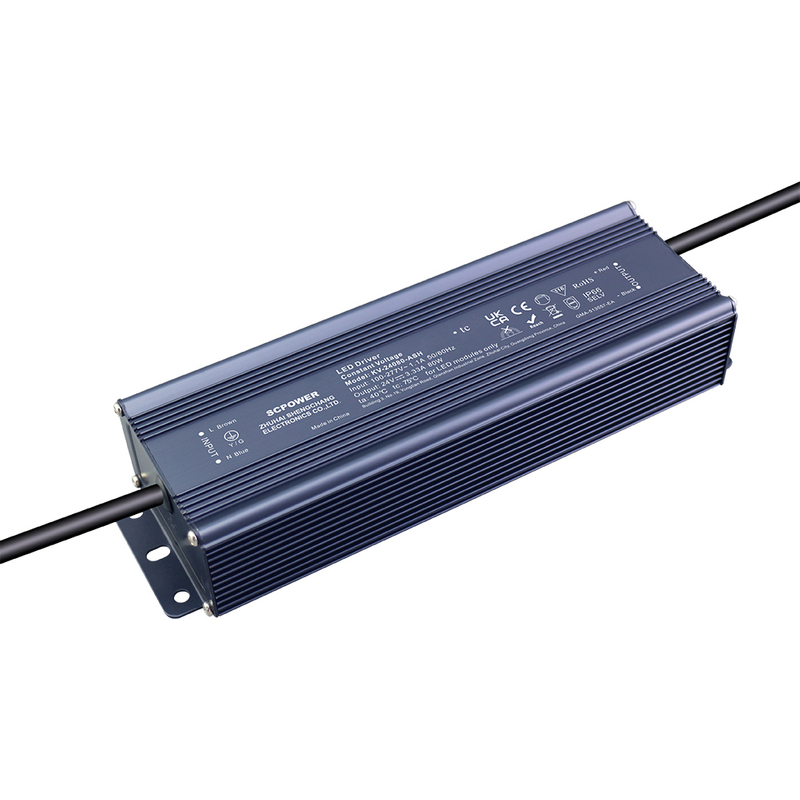
Key Specifications to Consider When Choosing a Power Supply
Power Capacity
Calculating the total wattage required for your LED strip is crucial. Each LED strip has a specific power consumption, usually measured in watts per meter. To determine the total wattage, simply multiply the wattage per meter by the length of the strip. For instance, if you have a 5-meter strip that consumes 18 watts per meter, the total wattage would be:
Total Wattage Calculation:
[ \text{Total Wattage} = \text{Wattage per meter} \times \text{Length (meters)} ]
In this case:
[ 18 \, \text{W/m} \times 5 \, \text{m} = 90 \, \text{W} ]
To ensure optimal performance and avoid overloading, it’s recommended to add a safety margin of 20-30%. This means if your total wattage is 90W, you should select a power supply rated for at least 110W to 120W. Suretron offers a range of power supplies from 30W to 1800W, catering to various project needs.
Voltage Compatibility
Voltage compatibility is another critical factor. Most LED strips operate on either 12V or 24V. Using the wrong voltage can lead to serious issues. For example, connecting a 12V LED strip to a 24V power supply will likely cause the LEDs to burn out quickly. Conversely, a lower voltage may result in flickering or insufficient brightness.
When planning your installation, consider the voltage drop, especially for longer runs. Voltage drop occurs when the voltage decreases along the length of the wire, which can affect performance. For longer LED runs, using a 24V system is often preferred, as it experiences less voltage drop compared to a 12V system.
Dimming Capabilities
Dimming capabilities enhance the versatility of your lighting setup. There are several dimming options available, such as 0-10V, DMX512, and TRIAC. Using a dimmable power supply allows you to adjust the brightness according to your needs, which is especially useful in settings like restaurants or theaters where ambiance is key.
Suretron supports various dimming protocols, including DALI-2, which provides even more control over your lighting. This flexibility can significantly improve the user experience by allowing for mood changes and energy savings.
Protection Ratings
Protection ratings, often referred to as IP ratings, indicate how well a power supply can withstand environmental factors. For example, an IP20 rating means the power supply is suitable for indoor use, while IP66 or IP67 ratings signify waterproof and dustproof capabilities.
Choosing the right rating depends on your installation environment. If you plan to use your LED strips outdoors or in damp areas, look for power supplies with higher IP ratings. Suretron’s products offer IP66/IP67 ratings, making them ideal for outdoor applications.
Certifications and Safety Standards
Finally, it's essential to consider certifications and safety standards when selecting a power supply. Look for products with certifications like UL, CE, and RoHS. These certifications ensure that the power supply meets safety and environmental standards.
Suretron is committed to quality and adheres to rigorous standards, including ISO9001 certification. Choosing certified power supplies not only enhances safety but also provides peace of mind, knowing that your installation complies with industry regulations.
Steps to Choose the Right Power Supply for Your LED Strip Project
Step 1: Calculate Total Power Needs
Calculating the total power needs for your LED strip project is the first crucial step. To do this, you need to know the wattage per meter of your LED strip. For example, if your strip consumes 24 watts per meter and you have a 5-meter length, the total wattage would be calculated as follows:
Total Wattage Calculation:
[ \text{Total Wattage} = \text{Wattage per meter} \times \text{Length (meters)} ]
In this case:
[ 24 \, \text{W/m} \times 5 \, \text{m} = 120 \, \text{W} ]
To ensure optimal performance, add a safety margin of 20-30%. This means you should select a power supply rated for at least 144W to 156W. Suretron offers a variety of power supplies, ranging from 30W to 1800W, which can meet your specific needs based on your calculations.
Step 2: Match Voltage Requirements
Next, ensure that the voltage requirements of your LED strips align with the power supply. Most LED strips operate on either 12V or 24V. Using the wrong voltage can lead to issues such as flickering or even damaging the LEDs.
When selecting a power supply, always check the voltage rating. If your LED strip requires 12V, make sure the power supply is also rated for 12V. This compatibility is vital for smooth operation.
Step 3: Determine Dimming Needs
Assessing whether dimming is necessary for your project is essential. If you want to adjust brightness levels for different moods or tasks, consider using a dimmable power supply. Dimming options include 0-10V, DMX512, and TRIAC.
For example, if you plan to use your LED strips in a living room where ambiance is important, a dimmable power supply is a great choice. If dimming isn't needed, a non-dimmable option may be sufficient and more cost-effective.
Step 4: Assess Environmental Conditions
Environmental conditions play a significant role in choosing the right power supply. Consider whether your installation will be indoors or outdoors. For outdoor applications, you’ll need a power supply with a suitable IP rating.
Here’s a quick reference for IP ratings:
IP Rating | Description | Suitable Environment |
IP20 | Dust-tight, not waterproof | Indoor use only |
IP66 | Dust-tight, protected against heavy rain | Outdoor installations |
IP67 | Dust-tight, protected against immersion | Wet environments |
Choosing the right IP rating ensures that your power supply can withstand environmental factors, enhancing its durability.
Step 5: Verify Certifications and Durability
Finally, always check the certifications and durability of the power supply. Look for products that have relevant safety certifications like UL, CE, and RoHS. These certifications indicate that the power supply meets safety and environmental standards.
Additionally, consider the warranty period. A longer warranty often reflects the manufacturer's confidence in their product’s durability. Suretron provides quality power supplies backed by certifications such as ISO9001, ensuring you get a reliable product for your project.
Common Mistakes to Avoid When Choosing a Power Supply
Overloading the Power Supply
One of the most common mistakes is overloading the power supply. When the total wattage required by your LED strips exceeds the power supply's capacity, it can lead to overheating and eventual failure. This not only risks damaging your lights but can also pose safety hazards.
To prevent overloading, always calculate the total wattage needed for your project and add a safety margin of 20-30%. For example, if your total wattage is 100W, choose a power supply rated for at least 120W to 130W. This extra capacity ensures reliable performance and longevity.
Ignoring Environmental Factors
Neglecting environmental conditions can also lead to problems. Factors like humidity and temperature significantly affect the performance and lifespan of power supplies. For instance, using a power supply rated for indoor use in a damp environment can result in failure or short circuits.
Here’s a quick guide to help you choose the right power supply based on environmental conditions:
Environment | Recommended IP Rating | Considerations |
Indoor | IP20 | Dust accumulation |
Outdoor | IP66/IP67 | Waterproof and dustproof |
Humid Areas | IP65 or higher | Protection against moisture |
Selecting a power supply with the appropriate IP rating ensures it can withstand the specific conditions of your installation.
Failing to Plan for Future Needs
Another mistake is not planning for future expansions. If you only consider your current needs, you might find yourself needing to replace the power supply sooner than expected. It’s essential to think ahead and choose a power supply that can accommodate potential growth.
When selecting a power supply, consider these factors:
● Future Projects: Will you add more LED strips or other lighting features later?
● Increased Usage: Will the demand for lighting increase over time?
● Scalability: Choose a power supply with a higher wattage capacity than your current needs.
By selecting a power supply with extra capacity, you can save time and money in the long run, ensuring your lighting system remains flexible and adaptable to your needs.
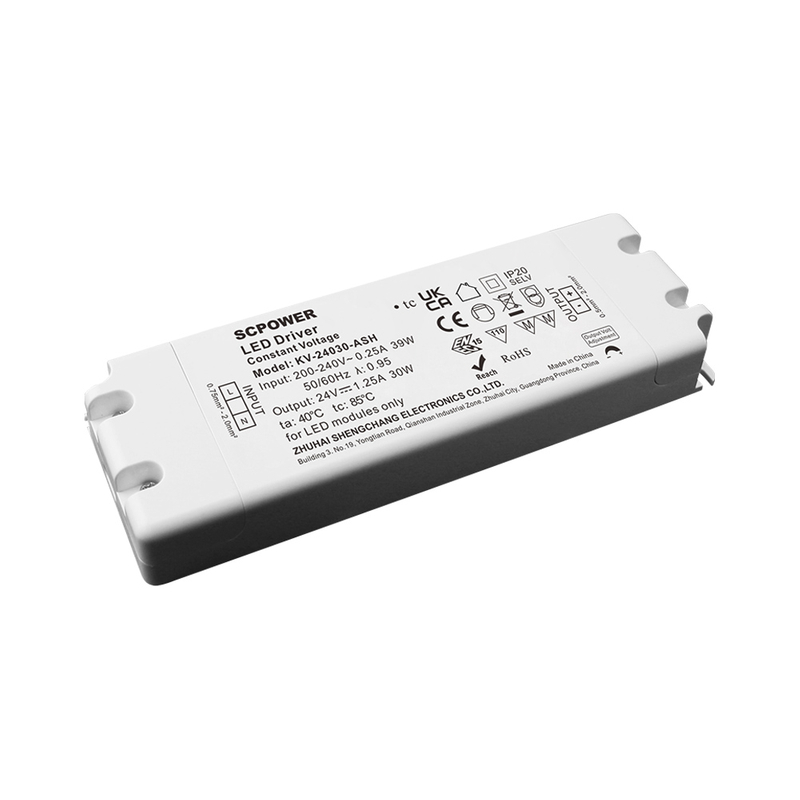
Suretron’s LED Power Supply Products
Overview of Suretron’s Offerings
Suretron is recognized as a leading manufacturer of LED drivers, providing high-quality power supplies tailored for diverse applications. Their extensive range includes options suitable for both residential and commercial needs, ensuring that every project can find the right fit.
Suretron offers several models, each designed to meet specific requirements. For instance, their Suretron 60W model is perfect for smaller residential projects, while the Suretron 480W model caters to larger commercial installations. With options ranging from compact power supplies to robust units, Suretron meets various wattage needs and installation conditions.
Guide to Choosing Suretron’s Power Supplies
Selecting the right Suretron power supply involves several steps tailored to your project requirements. Here’s a simplified guide:
1. Determine Your Wattage Needs: Calculate the total wattage required for your LED strips. Ensure to include a safety margin of at least 20-30%.
2. Select the Appropriate Voltage: Match the power supply voltage with your LED strip's requirements (commonly 12V or 24V).
3. Consider Dimming Needs: Decide if you need dimmable capabilities. If so, choose a model that supports dimming protocols like 0-10V or DMX512.
4. Evaluate Environmental Factors: Check the IP rating based on where you plan to install the power supply. For outdoor use, opt for models with IP66 or higher.
Here’s an example of successful installations using Suretron products:
Project Type | Power Supply Model | Wattage | Description |
Residential Lighting | Suretron 60W | 60W | Ideal for accent lighting in living spaces. |
Commercial Display | Suretron 240W | 240W | Perfect for retail displays requiring bright lighting. |
Outdoor Illumination | Suretron 480W | 480W | Robust unit for landscape lighting in parks. |
By following these steps, you can confidently choose a Suretron power supply that meets your specific project needs, ensuring reliable performance and longevity.
Conclusion
Choosing the right power supply for your LED strip project is crucial. It impacts performance, safety, and efficiency.
By following the outlined steps, you can achieve optimal results. This ensures your installation meets all requirements effectively.
Remember, a well-chosen power supply enhances the safety and longevity of your LED setup. Make informed decisions for the best lighting experience.


