Introduction
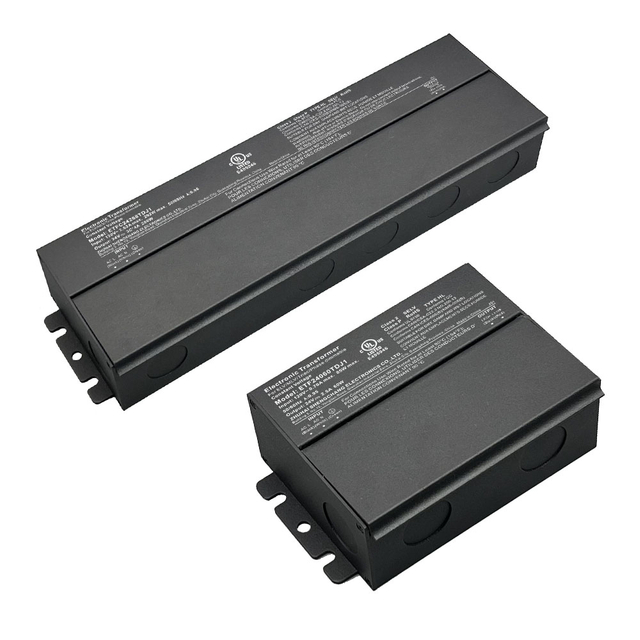
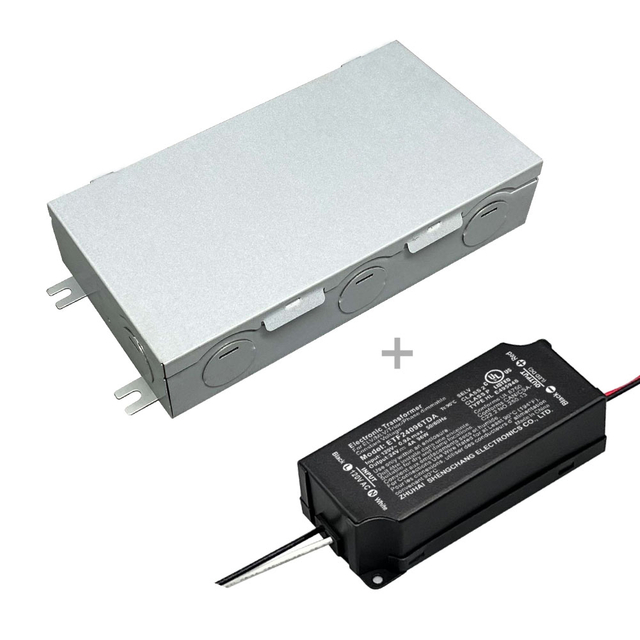
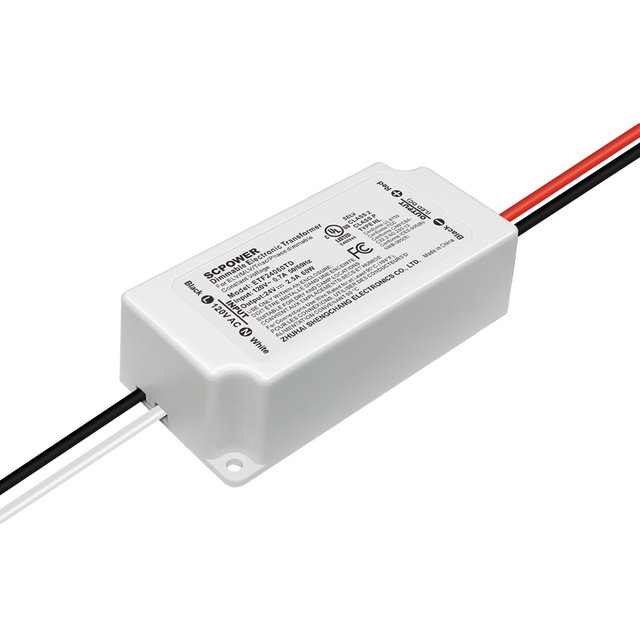
Are you tired of flickering lights and high energy bills? Understanding LED transformers can change your lighting experience. In this article, we’ll explore the different types of LED transformers and their importance for LED tape light and strip applications. You’ll learn how to choose the best transformer for your needs.
Types of LED Transformers
Constant Voltage LED Transformers
Constant voltage LED transformers are designed to provide a steady voltage output, typically at 12V or 24V. These transformers are ideal for most LED strip lights and fixtures, as they ensure that the voltage remains constant, regardless of the load. This stability is crucial because it prevents flickering and maintains consistent brightness across all connected LEDs.
For instance, if you're using a 12V LED strip light, a constant voltage transformer will step down the mains voltage (usually 120V or 230V) to a stable 12V output. This transformer is perfect for applications like under-cabinet lighting, accent lighting, and other low-voltage installations.
Constant Current LED Transformers
On the other hand, constant current LED transformers are specifically designed for LED fixtures that require a steady current rather than a fixed voltage. These transformers ensure that the current flowing through the LEDs remains constant, which is essential for high-power LED applications.
Constant current transformers are commonly used in professional lighting setups, such as architectural lighting or where precise brightness control is necessary. They typically come in various current ratings (e.g., 300mA, 600mA) to match specific LED requirements. When selecting a constant current transformer, it's important to know the current rating of your LED lights to prevent damage or reduced performance.
Waterproof LED Transformers
For outdoor or damp environments, waterproof LED transformers are essential. These transformers are designed with an IP rating (Ingress Protection) that indicates their resistance to dust and water. An IP67-rated transformer, for example, can withstand immersion in water up to 1 meter deep for a limited time, making it suitable for garden lighting, outdoor signage, and other external applications.
Using a waterproof transformer ensures that your LED lights remain functional and safe in adverse weather conditions. For instance, if you’re installing LED strip lights around a pool or in a garden, a waterproof transformer will protect the electrical components from moisture, preventing short circuits or failures.
Choosing the Right LED Transformer
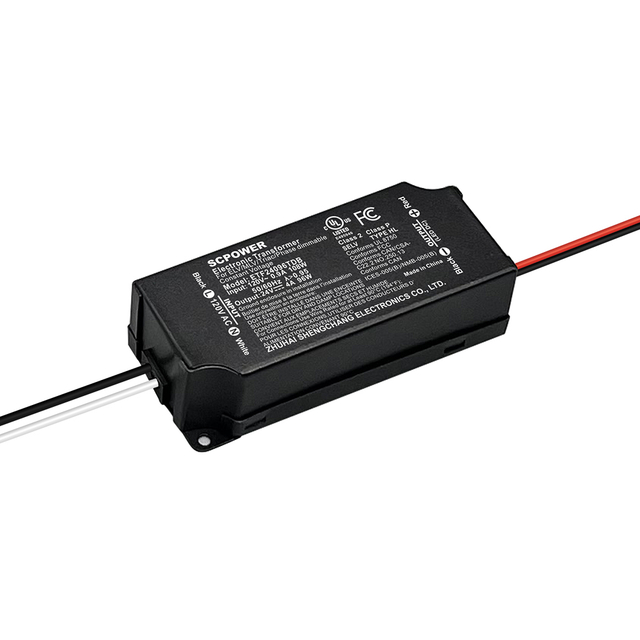
When selecting an LED transformer for your lighting project, understanding a few key factors can make all the difference in ensuring optimal performance and longevity of your LED lights. Here are the essential considerations to keep in mind:
Understanding Voltage Requirements
First, it's crucial to match the voltage of your LED lights to the transformer. Most LED strip lights operate at either 12V or 24V. If you have a 12V LED strip, you need a 12V transformer. Similarly, a 24V strip requires a 24V transformer. Using the wrong voltage can lead to flickering, overheating, or even damage to the LEDs. Always check the specifications of your LED lights to confirm their voltage requirements before purchasing a transformer.
Calculating Wattage Needs
Next, you need to calculate the total wattage required for your LED setup. This calculation is vital to ensure the transformer can handle the load without overheating. A simple formula to follow is:
Determine the wattage per meter of your LED strip.
Multiply by the total length of the strip used.
For example, if your LED strip consumes 4.8 watts per meter and you have a 5-meter strip, the total wattage requirement would be:
4.8W/m×5m=24W
To ensure safety and efficiency, select a transformer rated at least 20-30% higher than your total wattage requirement. In this case, a transformer rated for 30W would be ideal.
Indoor vs. Outdoor Use Considerations
The environment where you plan to install your LED lights is another critical factor. If you're using LED strips indoors, a standard transformer will suffice. However, for outdoor applications, you need a waterproof transformer. Look for transformers with an IP rating of at least IP65 or higher. These transformers are designed to withstand moisture and dust, ensuring your lighting remains functional and safe in adverse weather conditions.
For instance, if you’re installing LED strip lights around a pool or in a garden, a waterproof transformer will protect the electrical components from moisture, preventing short circuits or failures.
Common Issues with LED Transformers
Flickering and Overheating Problems
One of the most common issues users face with LED transformers is flickering. This can occur when the transformer does not match the voltage or current requirements of the LED lights. Flickering not only affects the aesthetics of your lighting but can also lead to premature failure of the LEDs. Overheating is another significant concern; if the transformer is overloaded or not adequately ventilated, it can cause the unit to become hot, leading to potential damage or fire hazards.
To prevent these issues, always ensure that the transformer is compatible with the specific voltage and wattage of your LED lights. For example, if you have a 12V LED strip, using a transformer that outputs a different voltage can lead to flickering. Additionally, consider transformers with built-in thermal protection to mitigate overheating.
Compatibility with LED Lights
Compatibility between the transformer and the LED lights is crucial for optimal performance. Many users mistakenly try to use halogen transformers with LED lights. Halogen transformers are designed for higher wattage loads and may not recognize the lower power demands of LEDs, leading to problems like flickering or failure to turn on.
LED transformers, on the other hand, are specifically designed to handle the lower wattage and provide stable current or voltage. For instance, if you’re using a 12V LED strip, ensure you select a transformer labeled as a 12V LED driver. This will help maintain consistent brightness and prevent flickering.
Using Halogen Transformers vs. LED Transformers
When it comes to choosing between halogen transformers and LED transformers, the latter is always the better option for LED applications. Halogen transformers are not optimized for the low power consumption of LEDs and can lead to inefficiencies and malfunctions.
LED transformers are engineered to provide the necessary power without the risks associated with halogen transformers. They can regulate voltage and current effectively, ensuring that the LEDs operate safely and efficiently.
In summary, using the correct transformer is essential for maintaining the performance and longevity of your LED lights. Always check the specifications and ensure compatibility to avoid common issues like flickering and overheating, and choose LED transformers over halogen transformers for your LED applications.
Installation Tips for LED Transformers
When it comes to installing LED transformers, several key tips can help ensure a safe and efficient setup. Proper wiring techniques, safety precautions, and mounting options are essential to maximize the performance and longevity of your LED lighting system.
Proper Wiring Techniques
Correct wiring is crucial for the functionality of your LED transformer. Here are some essential steps to follow:
Use the Correct Wire Gauge: Choose a wire gauge suitable for the power requirements of your LED setup. For most low-voltage LED applications, 18 to 20 AWG wire is typically adequate. Thicker wires reduce voltage drop over longer distances.
Secure Connections: Ensure all connections are tight and secure. Loose connections can cause flickering or intermittent failures. Use wire connectors or solder joints for a reliable connection.
Follow Polarity: Pay attention to the positive (+) and negative (-) terminals when connecting your LED lights to the transformer. Incorrect polarity can damage the LEDs or prevent them from lighting up.
Avoid Overloading: Make sure not to exceed the wattage rating of your transformer. If your total LED wattage exceeds the transformer’s capacity, it can lead to overheating and failure. Always calculate the total wattage of your LED strips and choose a transformer that can handle at least 20-30% more than the total.
Safety Precautions
Safety should always be the top priority when installing LED transformers. Here are some important precautions to take:
Disconnect Power: Always turn off the main power supply before starting any installation. This prevents electric shock and ensures a safe working environment.
Use GFCI Outlets: For outdoor installations, use Ground Fault Circuit Interrupter (GFCI) outlets. These outlets help prevent electrical shocks in wet conditions.
Check Ratings: Ensure the transformer is rated for the intended use, especially for outdoor installations. Look for transformers with an IP rating suitable for the environment, such as IP65 or higher for damp areas.
Ventilation: Install the transformer in a well-ventilated area to prevent overheating. Avoid placing it in enclosed spaces without airflow.
Mounting Options for Transformers
Mounting your LED transformer correctly can enhance both safety and accessibility. Consider the following options:
Wall Mounting: For easy access and to keep the transformer off the ground, consider wall mounting it. Use screws or brackets that come with the transformer for secure installation.
Cabinet Installation: If you’re installing under cabinets or in tight spaces, ensure that the transformer fits well and has enough clearance for ventilation.
Outdoor Enclosures: For outdoor applications, use weatherproof enclosures to protect the transformer from moisture and dust. This prolongs its life and maintains performance.
Accessibility: Ensure that the transformer is easily accessible for maintenance or replacement. Avoid placing it in hard-to-reach areas.
By following these installation tips, you can ensure that your LED transformers operate safely and efficiently, providing reliable lighting for your projects.
Benefits of Using LED Transformers
Energy Efficiency
One of the primary benefits of using LED transformers is their energy efficiency. Unlike traditional lighting systems, which consume more power and generate excess heat, LED transformers optimize the power supply for LED lights. They convert high-voltage AC electricity from the mains into low-voltage DC electricity, which LEDs require to operate. This conversion process minimizes energy loss and ensures that your lighting system uses only the necessary amount of power.
For instance, a high-quality LED transformer can reduce energy consumption by up to 80% compared to incandescent lighting. This not only lowers electricity bills but also contributes to a more sustainable environment by reducing overall energy demand.
Enhanced Lifespan of LED Lights
Using the right LED transformer significantly extends the lifespan of your LED lights. LED lamps are designed to operate within specific voltage and current ranges, and a transformer ensures that these parameters are maintained. When LEDs receive the correct voltage and current, they operate more efficiently, reducing wear and tear on the components.
For example, a transformer with built-in overload protection can prevent spikes in voltage that could otherwise damage the LEDs. By ensuring stable power delivery, LED transformers can help your lighting setup last longer—often exceeding 25,000 hours of use, compared to just 1,000 hours for traditional bulbs.
Improved Safety Features
Safety is another critical advantage of using LED transformers. These devices are designed with various safety features to protect both the lights and the users. Many LED transformers come equipped with protections against short circuits, overloads, and overheating.
For instance, a transformer with thermal protection will automatically shut off if it detects excessive heat, preventing potential fire hazards. Additionally, using a transformer specifically designed for LEDs reduces the risk of electrical shock, as they are built to handle lower voltages safely.
Moreover, many LED transformers are also waterproof or weather-resistant, making them suitable for outdoor applications. This feature ensures that your lighting system remains functional and safe, even in adverse weather conditions.
In summary, the benefits of using LED transformers extend beyond just powering your lights. They enhance energy efficiency, prolong the lifespan of your LED fixtures, and incorporate safety features that protect both the system and its users.
Tip: Always select an LED transformer with built-in safety features like overload protection to enhance the longevity and safety of your LED installation.
Conclusion
This article highlights the importance of selecting the right LED transformer for LED tape lights and strip applications. Key types include constant voltage, constant current, and waterproof transformers, each serving specific needs. When choosing a transformer, consider voltage requirements, wattage needs, and installation environment. For optimal performance and safety, always select a transformer with built-in protection features. Explore options available from Suretron, where you can find high-quality LED transformers designed to enhance your lighting projects effectively.
FAQ
Q: What is an LED transformer?
A: An LED transformer is a device that converts high-voltage AC electricity into low-voltage DC electricity, ensuring safe and efficient operation of LED lights.
Q: How do I choose the right LED transformer?
A: To choose the right LED transformer, match the voltage of your LED lights and calculate the total wattage needed, selecting a transformer rated 20-30% higher.
Q: Why is my LED transformer overheating?
A: Overheating can occur if the transformer is overloaded or not properly ventilated. Ensure it matches the wattage and voltage requirements of your LED lights.
Q: Can I use a halogen transformer for LEDs?
A: It's not recommended to use halogen transformers for LEDs, as they are not optimized for low power consumption and can lead to inefficiencies or failures.