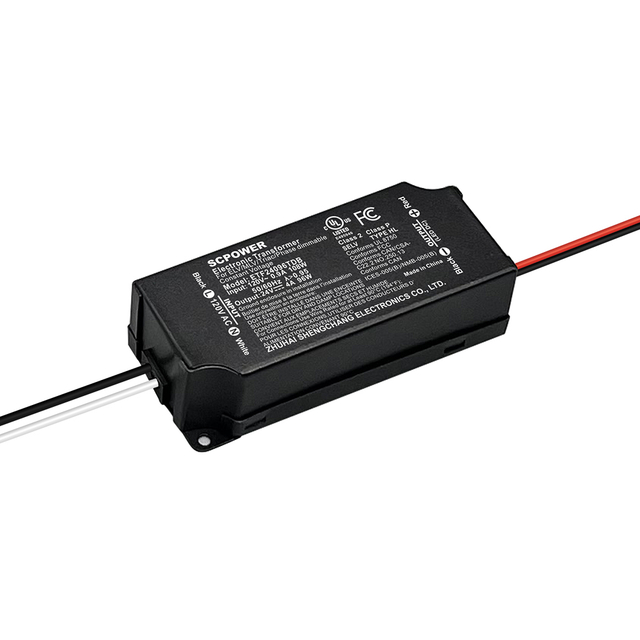
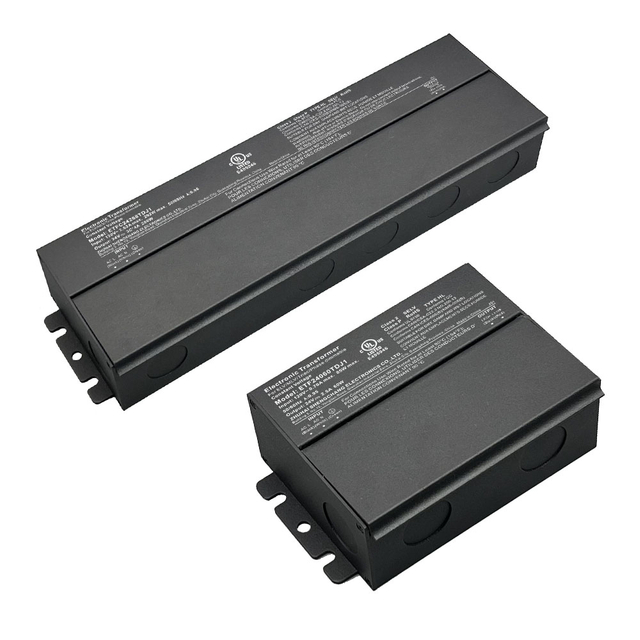
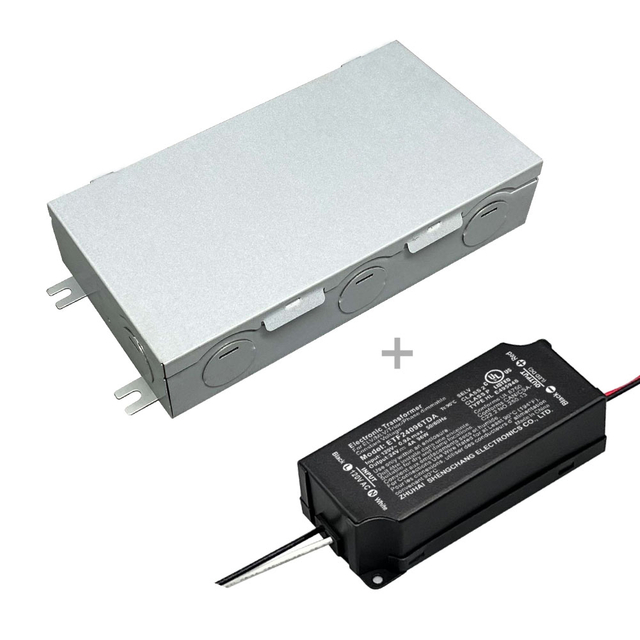
Introduction
Are you confused about whether an LED transformer can replace an LED driver? This common question arises as more people switch to LED lighting. In this article, we’ll explore the differences between LED transformers and drivers, their functionalities, and when to use each. Gain insights to make informed decisions for your lighting needs!
Understanding LED Transformers vs. LED Drivers
When it comes to powering LED fixtures, understanding the difference between LED transformers and LED drivers is crucial. Both devices serve the purpose of supplying power to LED lights, but they do so in fundamentally different ways. Here’s a closer look at their key differences, functionalities, and the applications for which each is best suited.
Key Differences Between LED Transformers and Drivers
Output Type:
LED Transformers: These devices typically output alternating current (AC) and are designed to step down high voltage (like 230V AC) to lower voltage levels (commonly 12V or 24V AC). They are often used for low-voltage lighting applications, particularly with traditional halogen bulbs or certain types of LED lights that are rated for AC input.
LED Drivers: In contrast, LED drivers convert AC to direct current (DC). Most LED lights require DC to function properly. If you connect an LED to an AC source, it may flicker or fail prematurely. Therefore, for most LED applications, a driver is necessary to ensure proper operation.
Current Regulation:
LED Transformers: These devices provide unregulated output. The current can vary based on the load connected to them. If the load is too low, the voltage may spike, potentially damaging the LED lights.
LED Drivers: They are designed to provide a constant current, which is vital for high-power LEDs. This regulation prevents overheating and ensures consistent performance, extending the lifespan of the LEDs.
Compatibility with LED Loads:
LED Transformers: Often require a minimum load, typically between 20W to 50W. This means if you connect a low-wattage LED (like a 5W bulb), it may not start or could flicker.
LED Drivers: They can work with any LED wattage without a minimum load requirement. This flexibility makes them suitable for various applications, especially when dealing with multiple low-wattage LEDs.
Functionality of LED Transformers
LED transformers primarily step down voltage and provide power to fixtures designed for low-voltage operation. They are essential for applications where the lighting system is designed around a specific voltage, such as in many LED strips or low-voltage LED spotlights. However, they do not regulate current, which can lead to performance issues if the load fluctuates.
Functionality of LED Drivers
LED drivers are critical for ensuring that LEDs receive the right type of power. They convert AC to DC and regulate the current, making them ideal for high-power LED applications. By maintaining a steady current, drivers help prevent issues like flickering, overheating, or premature failure of the LEDs. This makes them essential for modern lighting setups, particularly in commercial and high-performance residential applications.
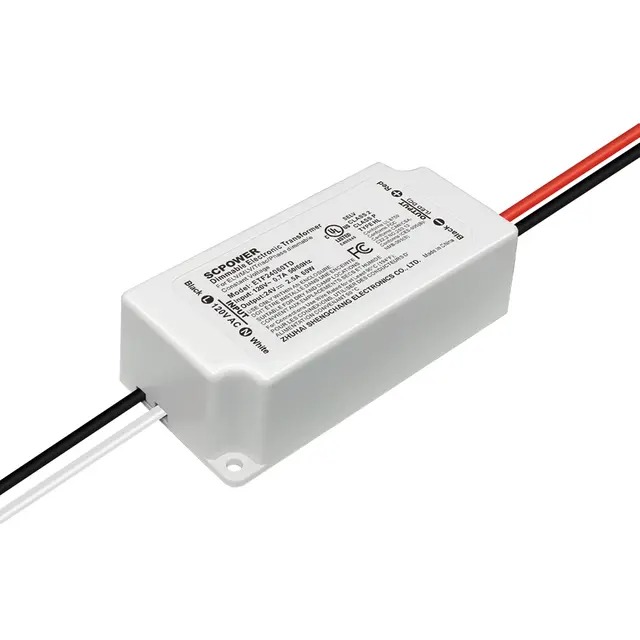
How LED Transformers Work
Understanding how LED transformers operate is essential for anyone dealing with LED lighting systems. These devices play a crucial role in ensuring that LED fixtures function efficiently and safely. Let’s break down the key processes involved in how LED transformers work.
Step-Down Voltage Process
LED transformers are designed to reduce high voltage from the mains supply—typically 230V AC—to a lower voltage suitable for LED lights, commonly 12V or 24V. This step-down process is vital because LEDs cannot handle the high voltage supplied by standard mains electricity. By lowering the voltage, transformers make it safe for LEDs to operate without risk of damage or failure.
AC to DC Conversion
Most LED lights require direct current (DC) to function properly. However, the mains electricity supply is alternating current (AC). LED transformers convert AC to DC, ensuring that the LEDs receive the correct type of power. This conversion is critical because if an LED receives AC instead of DC, it can flicker, overheat, or even burn out prematurely.
Power Regulation Mechanisms
While LED transformers primarily step down voltage, they do not regulate current. This means the output current can vary based on the load connected to the transformer. If the load is too low, the voltage may spike, potentially damaging the LEDs. This lack of regulation can lead to performance issues, such as flickering lights or reduced brightness.
For applications requiring consistent brightness and performance, it’s often better to use an LED driver, which provides regulated current. This regulation is particularly important for high-power LEDs that are sensitive to variations in current.
In summary, LED transformers are essential for converting high voltage AC to low voltage DC, making it safe for LEDs to operate. However, they lack current regulation, which can lead to issues if the load is not appropriately matched. For applications where consistent performance is required, an LED driver might be a better choice.
When to Use LED Transformers
Choosing the right power supply for your LED fixtures is essential for optimal performance. Understanding when to use an LED transformer is crucial, especially as you transition from traditional lighting to LED technology. Here’s a breakdown of the scenarios where an LED transformer is necessary, its compatibility with low-voltage LED lights, and practical examples of applications requiring transformers.
Identifying When a Transformer is Needed
LED transformers are primarily used in low-voltage applications, typically when the LED lights operate on 12V or 24V. If you’re working with LED fixtures designed for these voltages, you will need an LED transformer to step down the standard mains voltage (usually 230V AC) to a safe level for your LEDs.
If your LED lights are rated for direct connection to mains voltage (like 230V), you won’t need a transformer. Many modern LED bulbs come with built-in drivers that allow them to operate directly from mains power. However, if you are using LED strips, spotlights, or other fixtures that specify a low voltage, an LED transformer is necessary.
Compatibility with Low-Voltage LED Lights
Low-voltage LED lights, such as LED strips and certain types of spotlights, require a transformer to function properly. These lights typically operate at 12V or 24V. An LED transformer ensures the correct voltage is delivered, preventing potential damage from higher voltage supplies.
For example, if you are installing LED strips for accent lighting in your home, you will need a transformer that converts 230V AC to 12V DC. This conversion is critical because LEDs cannot handle the high voltage from mains electricity.
Examples of Applications Requiring Transformers
LED Strips: Often used for decorative or ambient lighting, LED strips usually operate at 12V or 24V. An LED transformer is essential to power these strips safely.
Low-Voltage Spotlights: Many recessed and track lighting systems use low-voltage LED bulbs. An LED transformer is necessary to ensure they receive the proper voltage for optimal brightness and performance.
Outdoor Lighting: For garden lights or landscape lighting that operates at low voltage, an LED transformer is crucial. It not only steps down the voltage but also provides protection against electrical surges.
Architectural Lighting: In commercial settings, where precision and consistency in lighting are required, LED transformers play a vital role in ensuring that the lighting system operates efficiently without flickering or overheating.
Signage and Displays: LED signage often requires transformers to manage the power supply effectively, ensuring longevity and consistent performance in various environments.
In summary, using an LED transformer is essential for low-voltage LED applications. It ensures that your LED lights receive the correct voltage and operate efficiently, prolonging their lifespan and enhancing performance. Always check the specifications of your LED lights to determine the appropriate transformer needed for your setup.
Risks of Using the Wrong Transformer
Using the incorrect transformer for your LED lights can lead to several significant risks, including potential damage to the lights, overheating, flickering issues, and even a shortened lifespan. Understanding these risks is essential for anyone working with LED lighting systems.
Potential Damage to LED Lights
One of the most immediate risks of using the wrong transformer is damage to the LED lights themselves. For instance, if you connect a low-voltage LED light (designed for 12V or 24V) to a transformer that outputs a higher voltage, you risk burning out the LED. Overvoltage can cause the LED to overheat, leading to immediate failure. Similarly, using a transformer that does not provide sufficient power can result in the lights not functioning at all or flickering intermittently.
Overheating and Flickering Issues
Overheating can occur when the transformer does not match the LED's requirements. If the transformer supplies too much current or voltage, the excess energy can generate heat, causing the LED to operate outside its safe temperature range. This overheating can lead to flickering lights, which not only affects the aesthetic quality of your lighting but also indicates that the LEDs are not receiving a stable power supply. Flickering can be distracting and annoying, especially in residential settings or commercial environments where consistent lighting is crucial.
Long-Term Effects on LED Lifespan
Using the wrong transformer can have long-term consequences on the lifespan of your LED lights. LEDs are designed to last for many years, but consistent exposure to incorrect voltage or current can lead to premature aging and failure. Over time, this can result in reduced brightness, color shifts, and complete failure of the light source. The financial impact of replacing LED lights frequently can add up, making it essential to choose the right transformer from the outset.
Choosing the Right LED Transformer
Selecting the appropriate LED transformer is crucial for ensuring your lighting system operates efficiently and safely. Here are some key factors to consider when making your choice, including voltage and wattage requirements, as well as IP ratings for outdoor applications.
Factors to Consider When Selecting a Transformer
Voltage Requirements:
The first step is to know the voltage your LED lights require. Most low-voltage LED fixtures operate at either 12V or 24V. If your LED lights specify a voltage, ensure the transformer matches this requirement. For instance, if you have LED strips that operate at 12V, you need a transformer that outputs 12V.
Wattage Requirements:
Wattage is another critical factor. Calculate the total wattage needed for all the LEDs you plan to connect. Choose a transformer that can handle at least 20-30% more wattage than your total requirement to avoid overloading. For example, if your LED setup totals 50W, opt for a transformer rated for at least 60W. This buffer helps prolong the lifespan of the transformer and ensures stable operation.
Current Type:
Ensure you know whether your LEDs require constant voltage or constant current. Constant voltage transformers are suitable for LEDs that need a specific voltage (like 12V or 24V), while constant current transformers are necessary for LEDs that require a steady current (like 350mA or 700mA). Using the wrong type can lead to flickering, overheating, or even damage to your LEDs.
Understanding IP Ratings for Outdoor Applications
When selecting a transformer for outdoor use, consider the Ingress Protection (IP) rating. This rating indicates how well the transformer can withstand dust and moisture:
IP44: Provides protection against solid objects larger than 1mm and splashing water.
IP65: Offers dust-tight protection and can withstand low-pressure water jets.
IP67: Completely dust-tight and can be submerged in water up to 1 meter for a limited time.
For outdoor applications, an IP67-rated transformer is ideal, especially for garden lights or signage, ensuring durability against weather elements.
Additional Considerations
Heat Management: Transformers generate heat during operation. Ensure proper ventilation to avoid overheating, which can shorten their lifespan.
Location: Install the transformer close to the LED lights to minimize voltage drop over long cable runs, which can affect performance.
Safety Features: Look for transformers with built-in safety features, such as short-circuit protection, surge protection, and thermal overload protection.
By paying attention to these factors, you can select the right LED transformer that ensures your lighting system runs smoothly and efficiently.
Installation and Maintenance of LED Transformers
Installing and maintaining LED transformers properly is essential for ensuring the longevity and efficiency of your LED lighting system. Here's a guide to help you through the installation process, common mistakes to avoid, and maintenance practices that can enhance the lifespan of your transformers.
Installation Tips for LED Transformers
Choose the Right Location:
Follow Voltage Specifications:
Wiring Connections:
Secure Mounting:
Check for Compatibility:
Common Mistakes to Avoid
Ignoring Minimum Load Requirements:
Overloading the Transformer:
Using Incompatible Transformers:
Neglecting Safety Precautions:
Maintenance Practices for Longevity
Regular Inspections:
Clean the Area:
Monitor Performance:
Replace When Necessary:
Consult Professionals:
Conclusion
Understanding the differences between LED transformers and drivers is essential for optimal LED lighting performance. LED transformers step down voltage but lack current regulation, making them suitable for specific low-voltage applications. In contrast, LED drivers convert AC to DC and provide constant current, ensuring stability and longevity for LED fixtures.
Choosing the right transformer is crucial for safe and efficient lighting practices. Always consult specifications to avoid damage. For reliable solutions, consider products from Shengchang, known for their quality and performance in LED lighting systems.
FAQ
Q: What is an LED transformer?
A: An LED transformer is a device that steps down high voltage AC (like 230V) to lower voltage levels (commonly 12V or 24V AC) for low-voltage LED fixtures.
Q: Can I use an LED transformer instead of an LED driver?
A: While an LED transformer can power some LED lights, it lacks current regulation, making an LED driver a better choice for most LED applications.
Q: Why is it important to choose the right LED transformer?
A: Choosing the correct LED transformer ensures that your LED lights receive the right voltage and prevents issues like flickering or damage.
Q: How do I know if my LED transformer is compatible?
A: Check your LED lights' voltage and wattage requirements against the specifications of the LED transformer to ensure compatibility.
Q: What are the benefits of using an LED transformer?
A: An LED transformer provides safe voltage conversion for low-voltage applications, ensuring optimal performance and longevity of your LED fixtures.