Are you ready to illuminate the future? LED drivers play a crucial role in modern lighting technology. As the demand for energy-efficient solutions grows, staying updated on LED driver trends is essential.
In this article, we will explore the latest innovations in LED driver technology for 2026. You’ll learn about emerging trends, key players, and how these advancements can enhance your lighting systems. Join us as we delve into the exciting world of LED drivers!
Understanding LED Drivers
What is an LED Driver?
LED drivers are essential components in any LED lighting system. They regulate the power supplied to LEDs, ensuring they operate efficiently and safely. Without these drivers, LEDs could suffer from voltage fluctuations, leading to reduced performance or even damage.
● Functionality: LED drivers convert AC or DC power into a suitable format for LEDs. They provide a constant current or voltage, which is crucial for optimal LED operation.
● Importance: By stabilizing the power supply, LED drivers enhance the lifespan and reliability of LED products. This is particularly important in commercial and industrial applications, where downtime can be costly.
Types of LED Drivers
When it comes to LED drivers, there are two primary types: constant current and constant voltage drivers. Each serves specific applications and has unique benefits.
Constant Current vs. Constant Voltage Drivers
Type | Description | Applications |
Constant Current | Supplies a fixed output current, ideal for high-power LEDs. | Street lighting, automotive lighting. |
Constant Voltage | Provides a fixed output voltage, suitable for LED strips. | Residential lighting, decorative fixtures. |
● Constant Current Drivers: These are designed to maintain a steady current flow, which is crucial for high-power LEDs. They are commonly used in applications where brightness consistency is vital, such as street lighting and automotive lighting.
● Constant Voltage Drivers: These drivers supply a fixed voltage, making them perfect for LED strips and modules that operate at a specific voltage. They allow for flexibility in design and are often used in residential and decorative lighting.
Segmentation Analysis
Understanding the market segmentation of LED drivers helps identify trends and opportunities. Here’s a breakdown of key segments:
1. By Supply Type:
● Constant Current
● Constant Voltage
2. By Dimming Method:
● Analog Dimming
● Digital Dimming (e.g., DALI, PWM)
3. By Sales Channel:
● Online
● Offline
4. By End User:
● Residential
● Commercial
● Industrial
This segmentation reveals how different industries leverage LED drivers. For instance, commercial sectors are increasingly adopting smart and connected lighting solutions, driving demand for advanced LED drivers.
The evolution of LED driver technology is influenced by various factors, including energy efficiency mandates and consumer preferences for smart systems. As we move into 2026, staying informed about these trends will be crucial for businesses looking to enhance their lighting solutions.
With innovations like IoT-enabled drivers and advanced dimming capabilities, the future of LED drivers looks promising. These advancements not only improve performance but also contribute to sustainability efforts, making them a vital component in modern lighting design.
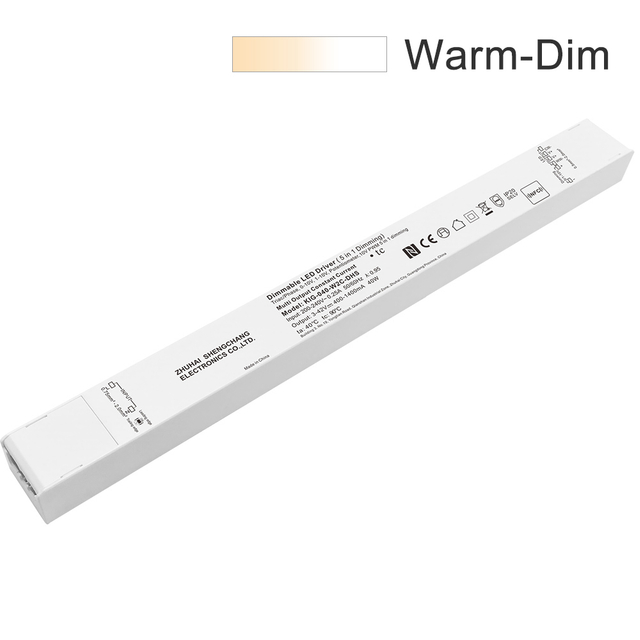
Current Trends in LED Driver Technology
Miniaturization and High Power Density
Miniaturization is a key trend in LED drivers, allowing for smaller, more efficient designs. As manufacturers focus on compact solutions, the demand for high power density has increased.
● Compact Designs: Smaller drivers fit seamlessly into various applications, from residential lighting to industrial fixtures.
● Efficiency Gains: High power density means more power in less space, reducing the overall footprint of lighting systems.
This trend not only saves space but also simplifies installation and integration into existing systems.
Integration of Smart Technology
The rise of IoT-enabled LED drivers is transforming how we manage lighting. These smart drivers connect to networks, allowing for enhanced control and monitoring.
● Energy Efficiency: Smart technology optimizes energy usage, adapting to real-time conditions. This leads to significant savings on electricity bills.
● Advanced Microcontrollers: New microcontrollers provide precise control over lighting conditions, enabling features like remote dimming and scheduling.
With these innovations, businesses can achieve better performance and flexibility in their lighting solutions.
Advanced Dimming Capabilities
Digital dimming methods like DALI and PWM are gaining traction in the market. These advanced dimming techniques enhance user experience and energy savings.
Dimming Method | Description | Benefits |
DALI | Digital Addressable Lighting Interface | Flexible control and automation. |
PWM | Pulse Width Modulation | Smooth dimming and energy savings. |
● User Experience: Enhanced dimming capabilities allow users to adjust brightness levels easily, creating the desired ambiance.
● Energy Savings: By using advanced dimming methods, users can significantly reduce energy consumption, especially in commercial settings.
Enhanced Thermal Management Solutions
Thermal management is crucial for maintaining the performance of LED drivers. Effective heat dissipation ensures longer lifespan and reliability.
● Importance: Poor thermal management can lead to overheating, affecting both performance and longevity.
● Innovations: New materials and designs improve heat dissipation, allowing LED drivers to operate efficiently even under high loads.
Focus on Driverless LED Modules: There's a growing trend towards integrated solutions, where drivers are built directly into LED modules. This design reduces complexity and improves thermal performance, making installations more streamlined.
As we look to 2026, these trends in LED driver technology are shaping the future of lighting. They not only enhance performance but also contribute to energy efficiency and sustainability in various applications.
Innovations Shaping the Future of LED Drivers
Programmable and Configurable Drivers
Programmable LED drivers are becoming essential in various applications. These drivers allow users to customize settings based on specific needs, making them incredibly versatile.
● Benefits: Programmable drivers enable features like dimming, color tuning, and scheduling. This flexibility is vital for both residential and commercial uses.
● Use Cases:
○ In residential settings, homeowners can adjust lighting based on activities, creating the perfect atmosphere for any occasion.
○ Commercial spaces, like retail stores, can change lighting dynamically to enhance product displays and improve customer experience.
Development of Driver-on-Board (DOB) Solutions
Driver-on-Board (DOB) technology is a significant advancement in LED driver design. This approach integrates the driver directly into the LED module, offering several advantages.
● Explanation: DOB solutions combine the LED and driver into one compact unit, simplifying installation and reducing the number of components needed.
● Advantages:
○ Space Efficiency: This integration saves space, allowing for slimmer designs in fixtures.
○ Improved Performance: It enhances thermal management, leading to better efficiency and longer lifespans for LED products.
Incorporation of Wireless Communication Protocols
The use of wireless communication protocols is transforming how LED drivers operate. Technologies like Zigbee and Bluetooth are paving the way for smarter lighting solutions.
● Overview: These protocols enable seamless connectivity between LED drivers and control systems, allowing for remote management and monitoring.
● Impact:
○ This connectivity enhances control over lighting systems, enabling features like remote dimming and automated schedules.
○ Rise of IoT-enabled Drivers: The integration of IoT capabilities allows for real-time data collection and analysis, improving energy efficiency and operational insights.
Wireless Protocol | Description | Benefits |
Zigbee | A low-power, wireless mesh network protocol. | Reliable connectivity and scalability. |
Bluetooth | A short-range wireless technology. | Easy pairing and user-friendly control. |
As these innovations continue to shape the future of LED drivers, they offer exciting possibilities for enhancing both performance and user experience. The focus on programmability, integration, and connectivity ensures that LED drivers will remain at the forefront of lighting technology advancements.
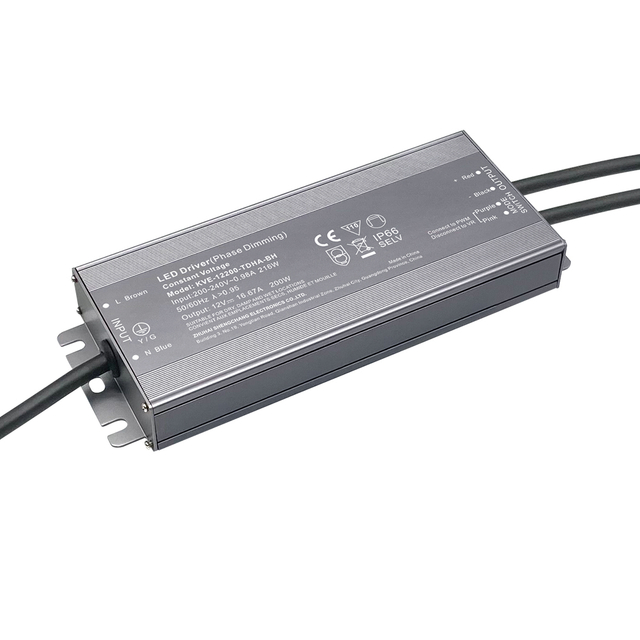
Key Players in the LED Driver Market
Major Manufacturers and Their Innovations
The LED driver market is dominated by several key players known for their innovative technologies. Here are a few leading companies making significant strides:
● Texas Instruments: Renowned for its extensive range of power management solutions, Texas Instruments offers advanced LED drivers that support features like dimming and color tuning. Their recent launch of the TPS92682-Q1 series targets automotive applications, providing high efficiency and reliability.
● NXP Semiconductors: NXP focuses on smart lighting solutions, integrating connectivity into their LED drivers. Their latest product, the LPC55S69, combines LED driving capabilities with IoT features, enabling real-time monitoring and control.
● Mean Well: A leader in power supply solutions, Mean Well provides a variety of LED drivers that cater to different applications. Their HLG series is known for its rugged design and high efficiency, making it ideal for outdoor lighting.
Company | Recent Innovations | Key Products |
Texas Instruments | TPS92682-Q1 series for automotive lighting | TPS92682-Q1 |
NXP Semiconductors | LPC55S69 with IoT integration | LPC55S69 |
Mean Well | HLG series for outdoor applications | HLG-150, HLG-240 |
Competitive Landscape and Market Dynamics
The competitive landscape for LED drivers is continuously evolving, influenced by technological advancements and market demands.
● Market Trends: The shift towards energy-efficient lighting solutions is driving growth. Companies are focusing on developing smart LED drivers that integrate with IoT systems, enhancing user control and energy management.
● Competitive Strategies: Leading manufacturers are investing heavily in R&D to innovate and maintain their market positions. Collaborations and partnerships are also common, allowing companies to leverage complementary technologies.
● Market Share and Growth Projections: According to recent reports, the LED driver market is expected to grow at a CAGR of over 10% from 2024 to 2026. Major players are anticipated to capture significant shares by focusing on product differentiation and expanding their portfolios.
Understanding these key players and market dynamics can provide valuable insights for businesses looking to invest in LED driver technologies. As innovation continues, staying informed about these developments will be crucial for navigating the competitive landscape.
Future Outlook for LED Drivers in 2026 and Beyond
Predicted Growth and Market Trends
The LED driver market is poised for significant growth over the next few years. Analysts project a compound annual growth rate (CAGR) of around 10% through 2026, driven by several key factors.
● Market Growth Projections: Increasing demand for energy-efficient lighting solutions is a major catalyst. As more businesses and consumers prioritize sustainability, LED technology continues to gain traction.
● Advancements in Technology: Expect to see innovations in smart LED drivers, including enhanced connectivity features and improved energy management capabilities. These advancements will make integration with smart home systems more seamless.
● Strong Growth in Smart Lighting: The rise of smart and connected lighting applications is expected to dominate the market. This trend encompasses everything from residential lighting automation to sophisticated commercial lighting systems that adapt to user needs.
Factor | Impact on LED Drivers |
Energy Efficiency | Drives demand for advanced technologies |
Smart Home Integration | Increases need for programmable drivers |
Sustainability Focus | Encourages eco-friendly product designs |
The Role of Sustainability in LED Driver Development
Sustainability is becoming a central theme in the development of LED drivers. Manufacturers are increasingly focusing on energy efficiency and eco-friendly designs.
● Importance of Energy Efficiency: Energy-efficient LED drivers not only reduce electricity consumption but also lower operating costs. This is crucial for both consumers and businesses looking to minimize their environmental footprint.
● Addressing Environmental Concerns: Companies are adopting sustainable practices in their manufacturing processes. This includes using recyclable materials and reducing waste during production. Many are also pursuing certifications to validate their commitment to sustainability.
As the demand for greener solutions grows, manufacturers will likely innovate further, ensuring that their LED drivers meet both performance and environmental standards. This focus on sustainability will shape the future landscape of the LED driver market, aligning with broader global goals for energy conservation and environmental protection.
Conclusion
This article highlights key trends and innovations in LED drivers for 2026. We discussed the growth of smart and connected lighting solutions, emphasizing the importance of energy efficiency and sustainability. Adopting advanced LED driver technology is crucial for future-proofing lighting solutions. Companies like Suretron offer innovative products that enhance performance and sustainability. Investing in these technologies will provide significant value to businesses looking to improve their lighting systems.
FAQ
Q: What are LED drivers?
A: LED drivers are essential components that regulate the power supplied to LED lights, ensuring optimal performance and longevity.
Q: How do LED drivers work?
A: LED drivers convert AC voltage to the appropriate DC voltage for LEDs, providing consistent current to maintain brightness and efficiency.
Q: Why are LED drivers important for smart lighting?
A: LED drivers enable advanced features like dimming and color tuning, making them crucial for smart and connected lighting applications.
Q: What are the benefits of using programmable LED drivers?
A: Programmable LED drivers offer versatility in applications, allowing users to customize settings for energy efficiency and user preferences.
Q: How much do LED drivers typically cost?
A: The cost of LED drivers varies based on features and specifications, with prices ranging from $5 to $50 or more for advanced models.
Q: What advancements can we expect in LED driver technology by 2026?
A: Future innovations in LED drivers will likely include enhanced connectivity, improved energy management, and integration with IoT systems.


