Introduction
Are you confused about the differences between LED transformers and LED drivers? You're not alone. Many people struggle to understand which component is right for their lighting needs.
In this article, we’ll define LED transformers and their importance in lighting systems. You’ll learn how they differ from LED drivers and what to consider when choosing the right one for your setup.
What is an LED Transformer?
Function and Purpose of LED Transformers
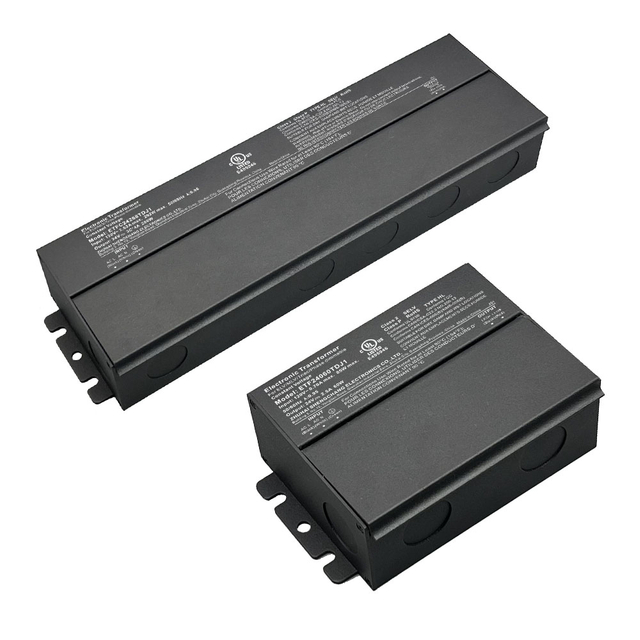
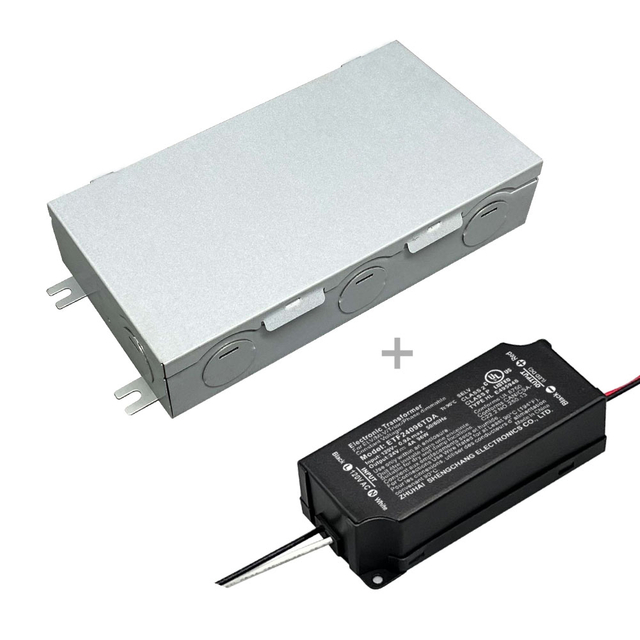
An LED transformer is a device that converts high-voltage alternating current (AC) into low-voltage AC or direct current (DC), suitable for powering LED lighting systems. The primary function of an LED transformer is to ensure that the voltage supplied to LED lights is at an appropriate level for safe and effective operation. Unlike LED drivers, which regulate current, LED transformers focus mainly on voltage reduction. This makes them ideal for applications where a constant voltage is needed, such as with LED strip lights or certain decorative lighting fixtures.
LED transformers are particularly useful in setups where multiple LED fixtures are connected. They can handle higher wattages, making them suitable for larger installations. This capability allows them to power longer runs of LED strip lights or multiple fixtures without compromising performance.
How LED Transformers Work
LED transformers operate based on electromagnetic induction. They consist of two coils, known as windings, wrapped around a core. When high-voltage AC is applied to one coil, it creates a magnetic field that induces a lower voltage in the second coil. This process effectively steps down the voltage.
Most LED transformers are designed to provide a fixed output voltage, typically 12V or 24V. This fixed output is crucial for LED systems, which require consistent voltage for stable operation. If the voltage fluctuates, it can lead to issues like flickering or premature burnout of the LEDs.
Types of LED Transformers
There are several types of LED transformers, each designed for specific applications:
Magnetic Transformers: These are traditional transformers that use a magnetic core. They are generally more robust and can handle higher loads but may be less efficient than electronic alternatives. They are often used for low-voltage halogen lamps and some LED applications.
Electronic Transformers: These are lighter and more compact than magnetic transformers. They use electronic circuits to step down the voltage and are commonly used in LED applications due to their efficiency and ability to handle varying loads. Electronic transformers are ideal for LED strip lights and other low-voltage lighting systems.
Constant Voltage Transformers: These transformers provide a steady voltage output, making them suitable for applications where multiple LEDs are connected in parallel. They ensure each LED receives the same voltage, preventing inconsistencies in brightness.
Constant Current Transformers: Though less common, these transformers regulate the current supplied to LEDs. They are used in applications where precise current control is necessary to avoid damaging the LEDs.
Understanding the various types of LED transformers helps in choosing the right one for your lighting needs, ensuring efficiency and longevity in your LED systems.
Key Differences Between LED Drivers and LED Transformers
Voltage Regulation vs. Current Regulation
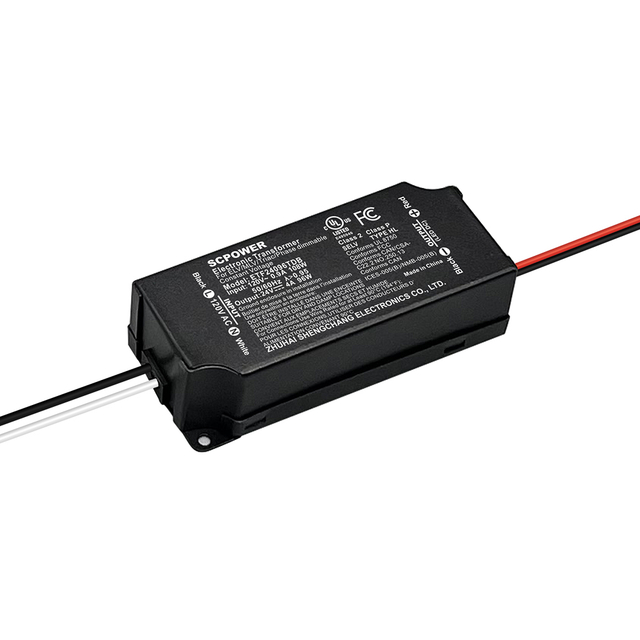
One of the primary distinctions between LED drivers and LED transformers lies in how they regulate power. LED drivers are designed to provide precise control over the current supplied to LEDs. This is crucial because LEDs are sensitive to current fluctuations. If the current exceeds the LED's rated capacity, it can lead to overheating and early failure. Therefore, LED drivers often feature a constant current output, ensuring that the LEDs receive the right amount of power regardless of any changes in the input voltage.
In contrast, LED transformers primarily focus on voltage regulation. They convert high-voltage AC from the mains to a lower AC or DC voltage suitable for LED systems. However, they do not regulate the current. This can lead to variations in brightness, especially if the voltage fluctuates. For applications where consistent brightness is vital, an LED driver is the better choice.
Output Types: AC vs. DC
Another key difference is the type of output each device provides. LED drivers typically output DC (direct current), which is the preferred power type for most LED lighting systems. This direct current ensures stable operation and prevents flickering, enhancing the overall performance and lifespan of the LEDs.
On the other hand, LED transformers usually provide an AC (alternating current) output. While some transformers can output low-voltage DC, many are designed specifically for AC applications. This is particularly relevant for traditional lighting setups where halogen or incandescent bulbs were common. While using an LED transformer with LEDs may work, it can lead to issues like flickering or inconsistent brightness unless the transformer is specifically labeled as LED-compatible.
Compatibility with LED Lighting Systems
Compatibility is another critical factor when choosing between LED drivers and LED transformers. LED drivers are engineered specifically for LED systems. They match the voltage and current requirements of the LEDs, ensuring optimal performance. This compatibility is essential for avoiding issues like flickering or reduced lifespan.
In contrast, LED transformers are more general-purpose devices. They can power various low-voltage lighting technologies, including halogen lamps and some LED strips. However, not all LED fixtures will work seamlessly with a transformer. Using a transformer with incompatible LEDs can lead to performance issues, making it important to check compatibility before installation.
Summary of Key Differences
| Feature | LED Driver | LED Transformer |
| Regulation | Current regulation (constant current) | Voltage regulation |
| Output Type | DC output | AC or low-voltage DC output |
| Compatibility | Designed for LEDs | General-purpose, may not suit all LEDs |
Suretron offers both constant voltage LED drivers and constant current LED drivers to suit any application. Browse our selection.
Applications of LED Transformers
Use in LED Strip Lights
LED transformers are commonly used to power LED strip lights, which have become increasingly popular in both residential and commercial applications. These strips often require a specific voltage, typically 12V or 24V, making LED transformers an ideal choice. By converting high-voltage AC to low-voltage AC or DC, transformers provide the necessary power for these flexible lighting solutions.
When installing LED strip lights, it’s crucial to select a transformer that matches the total wattage of the strips being used. For instance, if you have a 5-meter strip that consumes 24 watts per meter, you’ll need a transformer capable of handling at least 120 watts (5m x 24W). This ensures that the lights operate efficiently without flickering or overheating.
Use in Decorative Lighting
LED transformers also play a significant role in decorative lighting applications. They can be found in various settings, from residential homes to commercial spaces, where aesthetic appeal is essential. In chandeliers, wall sconces, or accent lighting, transformers ensure that the LEDs receive the correct voltage for optimal brightness and color rendering.
For example, in a decorative lighting installation featuring multiple LED fixtures, a single LED transformer can effectively power all connected lights. This simplifies the wiring process and enhances the overall design by reducing the number of power supplies needed. Additionally, using an LED transformer designed for decorative applications can help maintain a consistent color temperature across all fixtures, creating a harmonious lighting environment.
Comparison with Other Lighting Technologies
When comparing LED transformers to other lighting technologies, their advantages become clear. For instance, traditional incandescent and halogen bulbs often use magnetic transformers, which can be less efficient and bulkier. LED transformers, especially electronic types, are more compact and energy-efficient, making them a better option for modern lighting designs.
Moreover, unlike older technologies that may have significant heat output, LED transformers operate at lower temperatures. This not only enhances safety but also extends the lifespan of the connected LEDs. In contrast, traditional systems may require more frequent bulb replacements due to overheating issues.
Still unsure whether you need an LED driver or transformer? Contact Suretron’s technical support team for expert guidance.
Efficiency and Performance of LED Transformers
Energy Efficiency Ratings
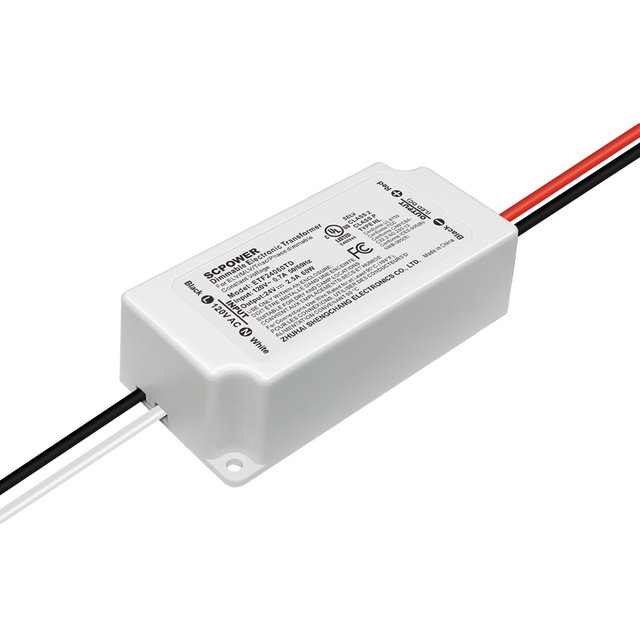
Energy efficiency is a crucial factor when selecting LED transformers. These devices convert high-voltage AC to low-voltage outputs, and their efficiency ratings indicate how effectively they perform this task. Generally, LED transformers are rated based on their ability to minimize energy loss during the conversion process.
Modern electronic transformers can achieve efficiency levels of 85% to 95%. This means that a significant portion of the input power is converted into usable output power, reducing wasted energy. In contrast, older magnetic transformers tend to be less efficient, often operating at around 70% to 80%. Choosing a more efficient transformer not only lowers energy costs but also contributes to a more sustainable lighting solution.
Impact on LED Lifespan
The lifespan of LED lights is heavily influenced by the quality of the power supplied to them. LED transformers play a vital role in this regard. A transformer that provides stable voltage and minimizes fluctuations can significantly extend the lifespan of connected LEDs.
When LEDs receive consistent voltage, they operate within their optimal parameters, reducing the risk of overheating and premature failure. Conversely, using a low-quality transformer that causes voltage spikes or drops can lead to flickering, color shifts, and ultimately, a shortened lifespan for the LEDs. Therefore, investing in a high-quality LED transformer is essential for ensuring long-lasting performance of LED lighting systems.
Heat Management in LED Transformers
Heat management is another critical aspect of LED transformer performance. Transformers that convert high-voltage AC to low-voltage DC or AC generate heat during operation. If not managed properly, this heat can affect both the transformer and the connected LEDs.
High-quality LED transformers are designed with efficient heat dissipation features. This includes ventilation systems or heat sinks that help maintain optimal operating temperatures. Excessive heat can lead to component failure and reduce the overall efficiency of the lighting system. Therefore, selecting a transformer with good heat management capabilities is vital for ensuring reliability and longevity.
Choosing the Right LED Transformer
Factors to Consider When Selecting an LED Transformer
Choosing the right LED transformer is crucial for ensuring your lighting system operates efficiently and effectively. Here are some factors to consider:
Voltage Requirements: Determine the voltage needed for your LED lights. Most LED strip lights require either 12V or 24V. Ensure the transformer you select matches this requirement to prevent flickering or damage.
Wattage Capacity: Calculate the total wattage of your LED fixtures. For instance, if you have a 5-meter LED strip consuming 24 watts per meter, you need a transformer that can handle at least 120 watts. Always choose a transformer with a slightly higher wattage capacity than your total load to avoid overloading.
Type of Transformer: Decide between magnetic and electronic transformers. Magnetic transformers are robust but bulkier, while electronic transformers are more compact and efficient. If your application involves multiple LED fixtures, an electronic transformer may be the better choice due to its ability to handle varying loads.
Dimming Capability: If you plan to use dimmable LED lights, ensure your transformer supports dimming functions. Some transformers don’t work well with dimmers, leading to flickering or buzzing noises. Check compatibility before purchasing.
Efficiency Ratings: Look for transformers with high energy efficiency ratings. Modern electronic transformers can achieve efficiencies of 85% to 95%, reducing energy waste and costs.
Compatibility with Existing Lighting Systems
Compatibility is key when integrating a new LED transformer into your existing lighting setup. Here are some tips:
Existing Fixtures: Ensure the transformer matches the specifications of your current LED fixtures. If you're using standard LED lights, an LED-compatible transformer is essential to avoid issues like flickering or premature failure.
Voltage and Current Matching: Verify that the voltage output of the transformer aligns with the voltage requirement of your LEDs. For example, if your LEDs require 12V DC, the transformer should provide this output without exceeding the specified current.
Connection Types: Check the connection types of your existing fixtures. Some transformers come with specific connectors, while others may require adapters. Ensure a seamless connection for optimal performance.
Cost Considerations and Budgeting
When budgeting for an LED transformer, consider both upfront costs and long-term savings. Here are some points to keep in mind:
Initial Investment: Higher-quality transformers may come with a higher price tag, but they often provide better performance and longevity. Investing in a reliable transformer can save you money in the long run by reducing energy costs and minimizing the need for replacements.
Energy Savings: Look for energy-efficient models. They may cost more initially but will save you money on electricity bills over time. Efficient transformers convert more input power into usable output, reducing waste.
Warranty and Support: Consider the warranty offered with the transformer. A longer warranty period often indicates confidence in the product's durability. Additionally, check if the manufacturer provides customer support for installation and troubleshooting.
Not sure whether an LED driver or LED transformer is the right choice? Reach out to Suretron’s technical support team for professional assistance.
Common Issues with LED Transformers
Flickering and Instability Problems
Flickering in LED lighting systems can be a frustrating issue, often caused by the use of an incompatible LED transformer. When a transformer does not match the voltage requirements of the LED lights, it can lead to unstable power delivery. This instability results in flickering, which not only affects the aesthetics of the lighting but can also shorten the lifespan of the LEDs.
Another common cause of flickering is poor quality transformers. If the transformer cannot maintain a steady voltage output, the connected LEDs may flicker as they receive inconsistent power. Additionally, using a transformer that is too powerful for the load can also create issues, as it may not regulate the output effectively.
Overheating Issues
Overheating is a significant concern when it comes to LED transformers. When transformers operate beyond their rated capacity or are poorly ventilated, they can generate excessive heat. This heat can damage the transformer itself and reduce the efficiency of the connected LED fixtures.
A common sign of overheating is a noticeable increase in temperature around the transformer. If left unchecked, this can lead to transformer failure and potentially compromise the safety of the entire lighting system. To mitigate this issue, it’s essential to choose a transformer with a suitable wattage rating for your specific application and ensure proper ventilation during installation.
Solutions and Troubleshooting Tips
To address flickering and instability problems, start by verifying the compatibility of your transformer with the LED fixtures. Always check the voltage and wattage requirements of your LEDs to ensure the transformer matches these specifications. If flickering persists, consider replacing the transformer with a higher-quality model designed specifically for LED applications.
For overheating issues, ensure that the transformer is not overloaded. Calculate the total wattage of all connected LED fixtures and choose a transformer rated for at least 20% higher than this total. Additionally, ensure that the transformer is installed in a well-ventilated area to allow for adequate cooling.
If problems continue, consult the manufacturer’s guidelines or seek professional assistance to evaluate your setup.
Conclusion
LED transformers play a vital role in modern lighting by converting high-voltage AC to low-voltage outputs. They differ from LED drivers, which regulate current, focusing instead on voltage regulation. Understanding these differences is essential for optimal performance in LED strip lights and fixtures. The future of LED transformers looks promising, with advancements in energy efficiency and design. When choosing an LED transformer, consider compatibility, wattage capacity, and efficiency ratings. Shengchang offers high-quality LED transformers that enhance lighting performance and reliability.
FAQ
Q: What is an LED transformer?
A: An LED transformer is a device that converts high-voltage AC into low-voltage AC or DC, ensuring safe operation for LED lighting systems.
Q: How do I choose the right LED transformer for my LED strip lights?
A: When selecting an LED transformer, consider the voltage requirements, wattage capacity, and compatibility with your LED strip lights to ensure optimal performance.
Q: Why is my LED transformer causing flickering?
A: Flickering can occur if the LED transformer is incompatible with the LED fixtures or if it fails to maintain a steady voltage output.
Q: What types of LED transformers are available?
A: There are magnetic transformers, electronic transformers, constant voltage transformers, and constant current transformers, each suited for different applications.
Q: How does an LED transformer impact energy efficiency?
A: A high-quality LED transformer can achieve efficiency levels of 85% to 95%, reducing energy waste and lowering electricity costs.