Introduction
Can LED strip lights work with a dimmer? Many users try, but results often fail. The key is using the right LED Strip Dimmable Power Supply.
In this article, we explain how dimming works and what setup you need. You will learn different dimming methods and how to avoid common mistakes.
How LED Strip Dimming Works
What makes LED strip lights different from traditional lighting
LED strip lights do not work like regular bulbs. They use low-voltage DC power instead of direct AC input. This changes how dimming must be handled in real setups. Standard bulbs connect straight to mains voltage. LED strips need a power conversion stage before they operate safely.
Low-voltage operation matters
LED strips usually run on 12V or 24V DC systems. This setup improves safety and flexibility. It also means dimming cannot happen directly from a wall dimmer.
Separated power structure
A typical system includes three parts. Power supply, controller or dimmer, and the LED strip itself. Each part must work together correctly. Otherwise, brightness control becomes unstable.
More control flexibility
LED strips support different dimming styles. PWM, TRIAC, 0-10V, or DALI can all be used. This flexibility makes them suitable for both simple and advanced lighting projects.
This difference explains why many users face issues. They try to use a standard dimmer without adapting the system.
The role of LED Strip Dimmable Power Supply in dimming
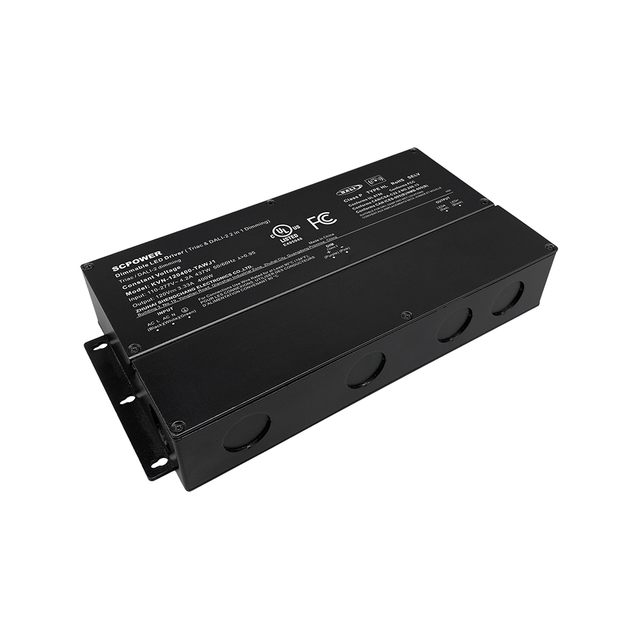
A LED Strip Dimmable Power Supply is the core of the dimming system. It does more than just supply power. It converts AC to stable DC output. It also translates dimming signals into brightness changes.
Signal interpretation function
A dimmable power supply receives signals from a dimmer. It adjusts output voltage or current accordingly. This allows smooth brightness transitions without flicker.
Bridge between AC and DC systems
Wall dimmers usually work on the AC side. LED strips operate on DC. The power supply acts as a bridge between these two systems. Without it, communication fails.
Stability and protection
A high-quality unit prevents voltage spikes and overload. It keeps lighting stable over long use. This is especially important in commercial installations.
Suretron designs LED Strip Dimmable Power Supply solutions with multiple protocol support. These include TRIAC, 0-10V, and DALI systems. This makes integration easier across different lighting environments.
To clarify how the system works, see the structure below:
| System Part | Function | Placement |
| AC Dimmer | Sends dimming signal | Before power supply |
| Dimmable Power Supply | Converts and controls output | Between AC and LED strip |
| LED Strip | Produces light | Final output |
We can also look at two common setups:
AC-side dimming setup
The dimmer is installed before the power supply. A compatible dimmable driver is required. This is common in residential lighting.
DC-side dimming setup
A PWM controller is placed after the power supply. This setup works well for simple LED strip systems.
Choosing the correct structure avoids flicker and compatibility issues. It also improves user experience during daily use.
Different Ways to Dim LED Strip Lights
TRIAC dimming with LED Strip Dimmable Power Supply
TRIAC dimming feels simple for most users. It uses a wall dimmer many homes already have. The key point is the LED Strip Dimmable Power Supply must support TRIAC signals. Without this, the strip cannot respond correctly. We often see flicker when people skip this step.
How the system actually works
The dimmer sits before the power supply. It cuts parts of the AC waveform. The dimmable driver reads this signal and adjusts output. This allows brightness changes across the LED strip. It feels smooth when components match well.
Where this method fits best
Home lighting uses TRIAC a lot. It works well in bedrooms or living rooms. Retrofit projects benefit the most. No need for complex rewiring in many cases.
Common issues in real setups
Low load often causes instability. Not every wall dimmer supports LED systems. Choosing a tested LED Strip Dimmable Power Supply solves most problems.
Suretron designs TRIAC-compatible drivers for stable performance. They help reduce flicker in daily use and improve dimming consistency.
PWM dimming for low-voltage LED strip systems
PWM dimming is very common in LED strip setups. It works on the DC side. The dimmer sits between the power supply and the strip. This structure keeps installation simple and flexible.
How PWM controls light output
It turns power on and off very fast. Our eyes cannot see the switching. The brightness looks lower or higher based on timing ratio. This method keeps color stable during dimming.
Why many users prefer PWM
It does not require a dimmable power supply. A standard DC supply can still work. It is easy to install and cost-friendly. DIY users often choose this setup.
Typical use scenarios
Cabinet lighting, shelves, and small decorative spaces use PWM. It works best for single-color LED strips. It also fits projects where wiring space is limited.
0-10V dimming for larger lighting systems
0-10V dimming works well in larger projects. It uses a separate signal line for control. This method offers stable and precise brightness adjustment. Many commercial systems rely on it.
How the system operates
A 0-10V signal controls brightness level. The LED Strip Dimmable Power Supply reads this signal. It adjusts output smoothly from full brightness to near off. This gives better control across many fixtures.
Why it is used in commercial spaces
Offices and retail stores need consistent lighting. 0-10V allows multiple fixtures to work together. It improves uniformity and reduces visual differences.
Installation characteristics
Extra wiring is needed for signal control. Setup takes more planning than PWM or TRIAC. However, performance is more stable in large systems.
Suretron supports 0-10V dimming across many driver models. This helps build scalable lighting systems for professional projects.
DALI, DMX, and smart wireless dimming options
Advanced dimming systems bring more flexibility. They allow control beyond simple brightness changes. These systems are used in smart lighting environments.
DALI for intelligent lighting control
Each light can be controlled individually. It supports automation and scheduling. It works well in offices and smart buildings.
DMX for dynamic lighting effects
It is common in stage and architectural lighting. It controls color and brightness at the same time. LED strips use it for visual effects and scenes.
Wireless and smart systems
Users control lights through apps or remotes. It reduces wiring complexity. It also improves user experience in modern homes.
Below is a quick comparison of advanced systems:
| System | Control Type | Best Use | Key Advantage |
| DALI | Digital wired | Smart buildings | Individual control |
| DMX | Digital wired | Stage lighting | Dynamic effects |
| Wireless | App / remote | Smart homes | Easy control |
Choosing the Right LED Strip Dimmable Power Supply
How to match voltage and wattage correctly
Choosing the correct voltage is the first step. LED strips usually run on 12V or 24V DC. The power supply must match this exactly. If voltage does not match, the strip may fail or get damaged. We should always check the strip specification before selecting a driver.
Wattage is just as important. The total load must be calculated carefully. Add up the wattage of all connected LED strips. Then increase it by at least 20–30 percent. This safety margin helps prevent overheating and extends lifespan.
Voltage matching basics
Always use 12V strips with 12V supplies. The same rule applies to 24V systems. Mixing them leads to unstable performance. It may also cause permanent damage.
Wattage calculation in practice
Multiply watts per meter by total length. Then add extra capacity for safety. This ensures the LED Strip Dimmable Power Supply runs efficiently.
Why margin matters in real use
A power supply running at full load wears faster. Extra capacity keeps temperature lower. It also improves long-term stability.
| Factor | Recommendation | Risk if Incorrect |
| Voltage | Must match strip (12V/24V) | Damage or failure |
| Wattage | Add 20–30% margin | Overheating, instability |
| Load distribution | Even across system | Uneven brightness |
Selecting the correct dimming protocol for your project
Different projects require different dimming methods. Small home setups often use simple systems. Larger installations need advanced control protocols. We should choose based on scale, control needs, and wiring conditions.
For simple environments, TRIAC or PWM works well. These are easy to install and cost-effective. Commercial projects often use 0-10V or DALI. They provide more precise and scalable control.
Residential lighting choices
TRIAC works well for wall dimmers. PWM is ideal for small DC setups. These methods are easy to install and maintain.
Commercial and professional setups
0-10V allows group control across fixtures. DALI supports smart automation and zoning. These systems improve lighting consistency.
System compatibility matters
The LED Strip Dimmable Power Supply must support the chosen protocol. Without this, the system cannot respond correctly.
Suretron provides drivers supporting TRIAC, 0-10V, and DALI. This makes it easier to match different project requirements.
When to use a dimmable driver vs a controller
Understanding the difference between driver and controller is important. They serve different roles in the system. Choosing the wrong one often leads to confusion or poor performance.
A dimmable driver works on the AC side. It connects directly to wall dimmers. It converts AC power and adjusts output at the same time. This setup is common in fixed installations.
A controller works on the DC side. It sits between the power supply and the LED strip. It controls brightness through PWM or manages RGB color channels. This method offers more flexibility in design.
Use a dimmable driver when
Wall dimmers control the lighting. The installation is fixed and stable. The system uses AC-side dimming.
Use a controller when
You need flexible control. RGB or tunable white strips are used. The system operates on the DC side.
Combined systems in practice
Some setups use both driver and controller. This allows more advanced lighting control. It also improves user experience.
Key features to look for in a reliable power supply
A good LED Strip Dimmable Power Supply improves performance and safety. Not all drivers are built the same. We should focus on key features when selecting one.
Stable output performance
Voltage should remain steady during dimming. This prevents flicker and brightness fluctuation. Stable output also protects LED lifespan.
Wide compatibility
The power supply should support multiple dimming protocols. This allows easier integration into different systems. It also reduces replacement cost later.
Safety and protection features
Overload, short circuit, and overheat protection are essential. These features prevent damage during unexpected conditions.
Certifications and build quality
Look for UL, CE, or similar certifications. They ensure compliance and reliability. High-quality components also improve durability.
Suretron focuses on stable output and multi-protocol compatibility. Their LED Strip Dimmable Power Supply solutions support safe and long-term use in different environments.
Common Mistakes and Troubleshooting LED Strip Dimming
Why LED strip lights flicker on a dimmer
Flicker is one of the most common issues in LED strip systems. It usually comes from poor compatibility between components. Many users connect a standard dimmer without checking the full system. This creates unstable signals and uneven brightness output.
Incompatible dimmer and driver pairing
A wall dimmer may not match the LED Strip Dimmable Power Supply. The signal becomes inconsistent. This leads to visible flicker during dimming.
Low load or minimum load issues
Some dimmers require a minimum load to work properly. LED strips often consume less power. This causes unstable operation and flickering light.
Signal mismatch in advanced systems
Using the wrong protocol, like TRIAC on a non-compatible driver, creates control errors. The system cannot interpret the signal correctly.
To quickly diagnose flicker causes, refer to this table:
| Issue | Possible Cause | Fix |
| Flickering light | Incompatible dimmer | Use matched dimmable driver |
| Flashing at low brightness | Load too low | Add compatible load or change dimmer |
| Unstable dimming | Wrong protocol | Use correct dimming system |
Suretron drivers are designed to reduce flicker through stable signal processing. This improves performance in both home and commercial environments.
Using non-dimmable power supplies with dimmers
This is a very common mistake. Many users assume all power supplies support dimming. In reality, a standard power supply only provides fixed output. It cannot adjust brightness based on dimmer signals.
When a non-dimmable unit is used, several problems appear. The LED strip may stay at full brightness. Sometimes it flickers or shuts down completely. The system simply cannot respond to control input.
Why this happens in practice
Non-dimmable drivers lack signal interpretation circuits. They only convert AC to DC. No dimming control function exists.
Typical user misunderstanding
People often install a wall dimmer and expect results. However, the power supply blocks the signal. The LED strip never receives proper control.
Correct solution approach
Always choose an LED Strip Dimmable Power Supply. It must match the dimming method used in the system. This ensures smooth and predictable behavior.
Overloading or underloading the system
Incorrect load calculation causes many hidden issues. Both overload and underload can affect dimming performance. The system may work at first but fail over time.
Overloading happens when total wattage exceeds the power supply capacity. This leads to overheating and shutdown. Underloading happens when the load is too small for the dimmer. This creates unstable signals and flicker.
Overload problems in real use
The power supply runs at maximum capacity. Heat builds up quickly. Protection circuits may shut the system down.
Underload behavior explained
Some dimmers need a minimum load. LED strips alone may not reach it. This causes inconsistent dimming response.
Best practice for load calculation
Always calculate total wattage before installation. Add a safety margin of 20–30 percent. This improves system stability.
Installation tips for smooth and stable dimming
Proper installation improves overall performance. Even the best components fail if installed incorrectly. Paying attention to wiring and layout makes a big difference.
Use correct wiring and connections
Loose or poor-quality wiring creates voltage drops. This affects brightness consistency. Always use proper connectors and cable sizes.
Keep dimmer and driver placement logical
AC dimmers should stay before the power supply. Controllers should be placed on the DC side. Mixing positions leads to control failure.
Choose compatible components from the start
Matching dimmer, driver, and LED strip avoids most problems. It reduces troubleshooting time later.
Plan for heat and ventilation
Power supplies generate heat during operation. Good airflow extends lifespan. It also improves safety.
Suretron focuses on reliable LED Strip Dimmable Power Supply design. Their products support stable installation across different environments. This helps reduce common setup errors and improves long-term performance.
Conclusion
LED strip lights can be dimmed using the right method and setup. Matching the dimmer, driver, and LED Strip Dimmable Power Supply is key to stable performance. Suretron offers reliable solutions with multi-protocol support, helping users achieve smooth dimming and long-term lighting stability.
FAQ
Q: Can LED strip lights work with a dimmer switch?
A: Yes, they can work when paired with an LED Strip Dimmable Power Supply.
Q: Why do LED strip lights flicker when dimmed?
A: Flicker often comes from incompatible dimmers or incorrect power supply.
Q: Do all LED strips need a dimmable power supply?
A: Most setups require an LED Strip Dimmable Power Supply for proper control.
Q: What dimming method is best for LED strips?
A: PWM and TRIAC are common, depending on the LED Strip Dimmable Power Supply.
Q: Can I use a normal power supply for dimming?
A: No, a standard supply cannot replace an LED Strip Dimmable Power Supply.


