Are you ready to illuminate your space efficiently? This complete LED drivers selection guide for 2026 explains how to choose the right LED driver for different lighting applications. Understanding LED drivers is crucial for optimizing your lighting systems. These components ensure your LEDs perform at their best, improving brightness, stability, and longevity.
In this guide, we will explore everything you need to know about selecting the right LED drivers 2026, from understanding different types to proper sizing and installation. You’ll learn how to make informed choices that match your technical requirements, environment, and project goals.
Understanding LED Drivers
What is an LED Driver?
LED drivers are specialized power supplies designed to provide the necessary power for LED lighting systems. They convert alternating current (AC) from the mains supply into direct current (DC) that LEDs require. This conversion is essential because LEDs cannot operate directly on AC power.
Key Functions of LED Drivers:
● Voltage Regulation: They ensure the voltage supplied remains constant, preventing fluctuations that could damage LEDs.
● Current Control: LED drivers regulate the current flowing through the LEDs, ensuring optimal performance and longevity.
Why LED Drivers are Essential
Having a reliable LED driver is crucial for maintaining the performance of your lighting system. Here’s why:
● Stable Power Supply: A stable supply of power ensures that LEDs operate efficiently. Inconsistent power can lead to flickering, dimming, or even complete failure of the lights.
● Protection Against Overcurrent: LED drivers help prevent overcurrent situations, which can burn out LEDs. They keep the current within safe limits, extending the lifespan of the lighting system.
Consequences of Using Inadequate or Incorrect Drivers:
● Reduced Lifespan: Using the wrong driver can significantly shorten the lifespan of your LEDs. Inadequate drivers may not provide the necessary current, leading to underperformance.
● Increased Energy Costs: An inefficient driver can lead to higher energy consumption. This not only affects your electricity bills but also contributes to environmental concerns.
Comparison of LED Driver Types
The table below helps you quickly decide which LED driver type fits your application, based on how your LEDs are wired and how power needs to be controlled.
| LED Driver Type | How It Controls Power | When You Should Use It |
| Constant Current Driver | Delivers a fixed current while automatically adjusting voltage | High-power LEDs, COB LEDs, and series-connected lighting where current stability is critical |
| Constant Voltage Driver | Supplies a fixed voltage while current varies based on load | LED strips, modules, and parallel-connected LEDs with built-in current regulation |
Choosing the right type of LED driver is essential for your specific application. Understanding these differences helps in making informed decisions.
In summary, LED drivers are the backbone of any effective LED lighting system. They ensure your lights perform at their best while protecting them from potential damage. Selecting the appropriate driver can lead to improved performance, energy savings, and a longer lifespan for your LED fixtures.
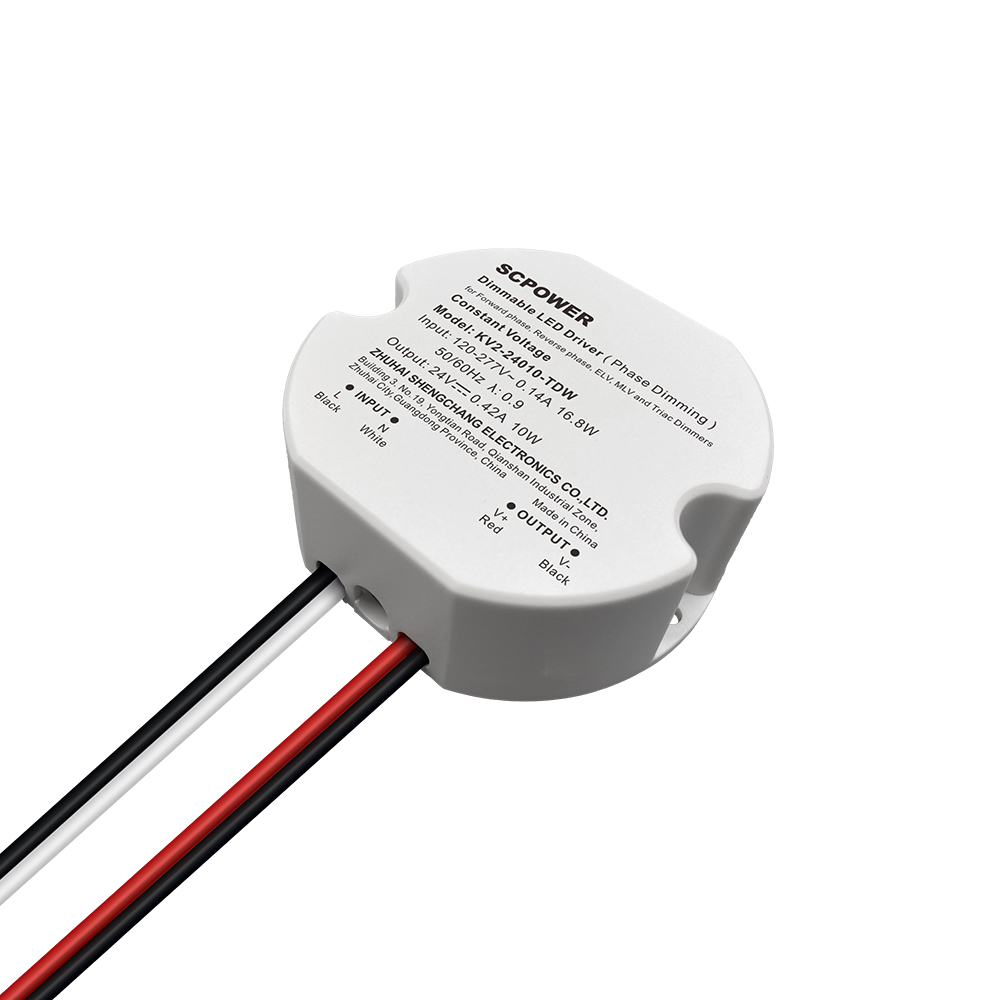
Types of LED Drivers
Constant Current vs. Constant Voltage
When selecting LED drivers, understanding the difference between constant current and constant voltage is essential. Each type serves distinct applications and has unique operational principles.
Constant Current LED Drivers
Constant current LED drivers are designed to deliver a fixed current to the LEDs, which is crucial for maintaining consistent brightness.
● Operational Principles: These drivers automatically adjust the voltage to ensure the current remains stable, regardless of variations in input voltage or the number of LEDs connected.
● Ideal Applications: They are perfect for high-power LEDs or setups where multiple LEDs are connected in series. This ensures each LED receives the same current, preventing uneven brightness.
● Key Specifications: Common current ratings for these drivers typically include 350mA and 700mA. Choosing the right rating is vital for optimal performance.
Constant Voltage LED Drivers
Constant voltage LED drivers provide a stable voltage output, allowing the current to vary based on the load.
● Operational Principles: These drivers maintain a set output voltage, making them suitable for applications where the LED load may change.
● Ideal Applications: They are widely used for LED strips and in parallel connections. This flexibility allows for easier installation and scalability.
● Importance of Matching Voltage Ratings: It's crucial to match the driver’s voltage rating to the LED requirements, commonly found in 12V and 24V options. Using mismatched voltage can lead to underperformance or damage.
Dimmable LED Drivers
Dimmable LED drivers add versatility to your lighting system by allowing you to adjust brightness levels.
● Dimming Capabilities: These drivers enable smooth transitions in light output, enhancing ambiance and energy efficiency.
● Types of Dimming Methods: Common methods include:
○ 0-10V Dimming: A simple analog method where a low voltage signal controls brightness.
○ PWM (Pulse Width Modulation): This method rapidly switches the LED on and off, controlling brightness effectively.
○ TRIAC Dimming: Often used in traditional dimmer switches, this method adjusts the phase of the AC signal.
● Importance of Compatibility: Ensuring compatibility between the dimmable driver and the dimming system is crucial. Mismatched systems can result in flickering or poor performance.
Type | Description | Best Use Cases |
Constant Current | Delivers fixed current, adjusts voltage | High-power LEDs, series connections |
Constant Voltage | Delivers fixed voltage, current varies | LED strips, parallel connections |
Dimmable LED Drivers | Allows adjustment of brightness levels | Various applications needing dimming |
Understanding these types of LED drivers will help you make informed choices for your lighting projects, ensuring optimal performance and longevity of your LED systems. Each driver type offers unique advantages tailored to specific applications, making it essential to choose wisely.
Selecting the Right LED Driver: How to Choose LED Driver Correctly
Choosing the right LED driver is crucial for maximizing the performance and longevity of your lighting system. Understanding how to choose LED driver correctly helps prevent flickering, overheating, and premature failure. Below are the key factors you should consider when selecting an LED driver for your application.
Key Factors to Consider When Choosing an LED Driver
Voltage Requirements
Determining the correct voltage for your LEDs is the first step in learning how to choose LED driver for reliable operation.
How to Determine Voltage: Check the specifications of your LED fixtures. Most LEDs indicate their required voltage, typically 12V or 24V. Using the wrong voltage can result in unstable performance or permanent damage.
Testing Voltage: If specifications are unclear, a multimeter can be used to verify the voltage requirements of your LED setup.
Power Rating and Sizing
Understanding power ratings is vital for ensuring your LED drivers can handle the load.
● Calculating Total Power Consumption: Add up the wattage of all LEDs in your system. For example, if you have ten 10W LEDs, your total consumption is 100W.
● Recommended Sizing Practices: To ensure reliability, choose a driver that offers at least 20% overhead. For our previous example, a driver rated at 120W would be ideal.
Example Calculation:
○ Total LED wattage: 100W
○ Recommended driver size: 100W + (20% of 100W) = 120W
Efficiency Standards
Efficiency ratings are essential for energy savings and performance.
● Importance of Efficiency Ratings: Look for LED drivers with efficiency ratings between 85% and 95%. Higher efficiency means less wasted energy and lower electricity bills.
● Compliance with Standards: Ensure your chosen drivers comply with international standards like DOE and ENERGY STAR. This compliance guarantees quality and efficiency.
● Understanding Power Factor (PF) and Total Harmonic Distortion (THD): A good power factor (above 0.9) indicates efficient energy use. Low THD (below 20%) minimizes distortion in the power supply.
Factor | Recommended Value | Importance |
Efficiency Rating | 85% - 95% | Energy savings |
Power Factor (PF) | Above 0.9 | Efficient energy use |
Total Harmonic Distortion (THD) | Below 20% | Reduces power supply distortion |
Environmental Considerations
Environmental factors play a significant role in the performance of LED drivers.
● Impact of Temperature and Humidity: High temperatures can reduce the lifespan of drivers. Ensure your driver can operate within the ambient temperature range of your installation.
● Choosing IP-rated Drivers: For outdoor or damp environments, select drivers with appropriate Ingress Protection (IP) ratings. This protects against moisture and dust.
● Considerations for Heat Dissipation: Ensure adequate ventilation around the driver. Poor heat dissipation can lead to overheating and failure.
Final Tips on How to Choose LED Driver
Selecting the right LED driver involves understanding these key factors to ensure optimal performance and reliability. By considering voltage requirements, power ratings, efficiency, and environmental conditions, you can make an informed choice that enhances your lighting system's effectiveness.
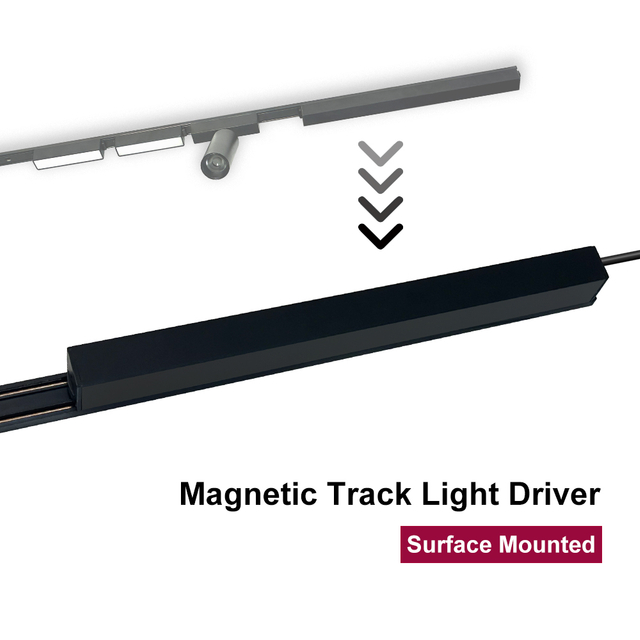
Troubleshooting Common Issues with LED Drivers
When using LED drivers, you may encounter a few common problems. Understanding these issues and their solutions can save you time and frustration.
Common Problems and Solutions
LEDs Not Lighting Up
If your LEDs aren’t lighting up, it can be frustrating. Here are some possible causes and solutions:
● Loose Connections: Check all wiring and connections. Loose or damaged wires can prevent power from reaching the LEDs.
● Driver Compatibility: Ensure the LED driver matches the voltage and current requirements of your LEDs. Mismatched drivers can lead to no output.
● Faulty Driver: If all connections are secure and the driver is compatible, the driver itself may be defective. Testing it with another set of LEDs can confirm this.
Flickering Lights
Flickering lights can be distracting and indicate underlying issues. Here’s how to identify and resolve them:
● Dimming Compatibility: If you’re using a dimmable driver, ensure it’s compatible with your dimming system. Incompatible systems often cause flickering.
● Voltage Fluctuations: Check for any fluctuations in the power supply. Unstable voltage can lead to inconsistent performance.
● Driver Overload: Ensure the driver isn’t overloaded. If too many LEDs are connected, it may struggle to provide consistent power.
Overheating Drivers
Overheating can significantly reduce the lifespan of your LED drivers. Recognizing the signs and taking preventive measures is essential.
● Signs of Overheating: Look for physical signs like discoloration or warping of the driver casing. If it feels excessively hot to the touch, it may be overheating.
● Preventive Measures:
○ Proper Ventilation: Ensure the driver has adequate airflow around it. Avoid placing it in enclosed spaces without ventilation.
○ Heat Dissipation: Consider using drivers with built-in heat sinks or fans to enhance cooling.
Issue | Signs | Solutions |
LEDs Not Lighting Up | No light output | Check connections, driver compatibility |
Flickering Lights | Inconsistent brightness | Verify dimming compatibility, check voltage |
Overheating Drivers | Hot casing, discoloration | Ensure ventilation, use heat sinks |
By addressing these common issues proactively, you can maintain the performance and longevity of your LED drivers. Regular checks and proper installation practices will ensure a smooth operation, allowing you to enjoy the benefits of efficient LED lighting without interruptions.
Installation and Maintenance of LED Drivers
Proper installation and maintenance of LED drivers are essential for ensuring optimal performance and longevity. Here are some practical guidelines to follow.
Installation Guidelines
Installing LED drivers correctly is crucial for safety and efficiency. Here’s a step-by-step approach:
1. Gather Necessary Tools: Before starting, ensure you have all required tools, including wire strippers, screwdrivers, and a multimeter.
2. Turn Off Power: Always switch off the power supply before beginning installation to avoid electrical shock.
3. Identify Input and Output:
● Input Side: This is where the power supply connects. It usually has labeled terminals for easy identification.
● Output Side: This side connects to the LEDs. Ensure you understand which terminals correspond to the positive and negative connections.
4. Connect Wires: Securely connect the input wires from the power supply to the driver. Then, connect the output wires to the LEDs, ensuring correct polarity.
5. Secure the Driver: Mount the driver in a suitable location, ensuring it is protected from moisture and heat.
6. Test the Installation: Once everything is connected, restore power and test the system to ensure proper functionality.
Importance of Compatibility: Always check that the LED driver is compatible with both the power supply and the LED systems. Mismatched components can lead to performance issues or damage.
Maintenance Tips
Regular maintenance is key to extending the life of your LED drivers. Here are some tips:
● Regular Checks: Inspect connections and wiring at least every six months. Look for signs of wear, corrosion, or loose connections.
● Cleaning: Dust and debris can accumulate on drivers and connections. Clean them gently with a soft brush or cloth to enhance airflow and prevent overheating.
● When to Replace or Repair:
○ Signs of Failure: If the driver is overheating, making unusual noises, or if the LEDs flicker, it may be time to replace it.
○ Age of the Driver: Consider replacing drivers every 5-7 years, even if they seem to be functioning well, as components can degrade over time.
Safety Considerations: Always prioritize safety during installation and maintenance. Use insulated tools, and if you're unsure about any step, consult a professional.
Task | Frequency | Notes |
Regular Checks | Every 6 months | Inspect for wear and loose connections |
Cleaning | As needed | Use a soft brush or cloth |
Replacement Consideration | Every 5-7 years | Monitor for signs of failure |
By following these installation and maintenance guidelines, you can ensure your LED drivers operate efficiently and reliably, providing excellent lighting solutions for years to come.
Conclusion
This guide covers essential points about selecting LED drivers. It highlights the importance of understanding voltage requirements, power ratings, and efficiency standards. Readers are encouraged to consider these factors when choosing LED drivers for their projects. For high-quality LED drivers tailored to various applications, explore products from Suretron. Their innovative solutions provide exceptional value and performance, ensuring reliable lighting systems.
FAQ
Q: How do I choose the right LED driver for LED strips?
A: To choose the right LED driver for LED strips, match the driver’s output voltage to the strip voltage (usually 12V or 24V), calculate the total wattage, and add a 20–30% safety margin. Constant voltage LED drivers are typically required for LED strip applications.
Q: What happens if LED driver wattage is too low?
A: If the LED driver wattage is too low, the LEDs may flicker, fail to reach full brightness, overheat the driver, or shut down completely. An undersized driver can also shorten the lifespan of both the driver and the LEDs.
Q: What are LED drivers used for?
A: LED drivers are used to regulate electrical power supplied to LEDs, ensuring stable current or voltage. This helps maintain consistent brightness, protect LEDs from damage, and improve overall system reliability.
Q: How do I choose the right LED driver for my lighting project?
A: Choosing the right LED driver depends on LED type, input and output voltage, total power consumption, dimming requirements, and environmental conditions. Selecting the correct driver ensures optimal performance and long-term durability.
Q: Why are LED driver efficiency ratings important?
A: LED driver efficiency ratings show how effectively input power is converted into usable output. Higher efficiency reduces energy loss, lowers operating costs, and minimizes heat generation in lighting systems.
Q: How much do LED drivers cost in 2026?
A: LED driver prices in 2026 typically range from $10 to $100, depending on power rating, efficiency level, dimming capability, and application type. Industrial and high-power LED drivers usually cost more than standard residential models.
Q: How do I fix LED driver flickering issues?
A: LED driver flickering is often caused by incompatible dimmers, unstable input voltage, or incorrect driver selection. To fix the issue, verify dimmer compatibility, check wiring connections, and ensure the driver matches the LED load requirements.


