Are you tired of flickering lights or short-lived LED setups? Understanding LED driver technology is essential as lighting systems become smarter and more energy-efficient. This article explores the latest LED driver trends 2026, highlighting key LED driver innovations that are shaping the future of lighting.
As energy regulations tighten and smart lighting becomes mainstream, LED driver technology trends in 2026 focus on efficiency, intelligence, and reliability. You’ll learn how the future of LED drivers is evolving and how current LED driver market trends can help you choose the best solution for long-term performance.
Understanding LED Driver Technology
What is an LED Driver?
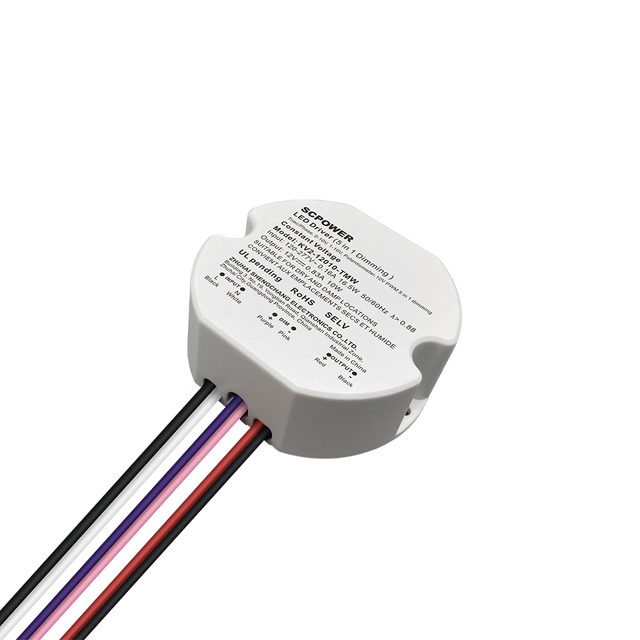
An LED driver is a critical component in modern lighting systems and a foundation of advanced LED driver technology. It regulates electrical power supplied to LEDs, converting AC power into low-voltage DC required for stable operation.
This process is essential to all LED driver innovations, as improper power delivery can cause flickering, overheating, or premature failure.
Key Characteristics of LED Drivers
Voltage Regulation: Ensures consistent voltage for stable light output
Current Regulation: Prevents overcurrent damage to LEDs
Thermal Management: Protects components from heat-related degradation
These features define the reliability standards seen in modern LED driver technology trends in 2026.
Types of LED Drivers
Constant Current LED Drivers
Constant current drivers deliver a fixed current regardless of voltage variation. They remain essential despite new LED driver innovations, especially in precision lighting.
Ideal Applications:
● LED downlights
● Spotlights
● Architectural lighting
Benefits of Constant Current Drivers:
● Ensures uniform brightness across multiple LEDs.
● Prevents overcurrent situations, extending LED life.
Typical Amperage Ratings:
● 350mA
● 700mA
● 1A
Constant Voltage LED Drivers
Constant voltage drivers deliver a steady voltage output, typically 12V or 24V, making them suitable for LED strips and modules. These drivers allow the current to vary based on the load.
Suitable Applications:
● LED strips
● Decorative lighting
● Signage
Advantages of Constant Voltage Drivers:
● Easy to install in parallel configurations.
● Compatible with a wide range of LED products.
Dimmable LED Drivers
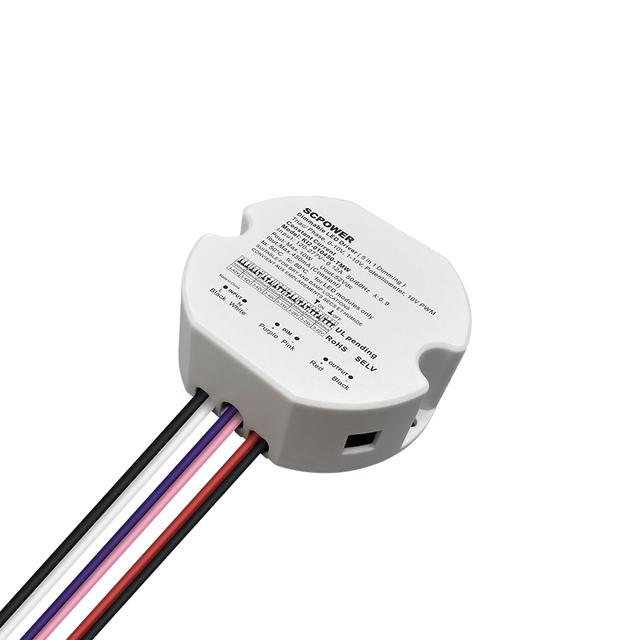
Dimmable drivers offer flexibility in controlling light levels. They enable users to adjust brightness, enhancing ambiance and saving energy.
Dimming Methods:
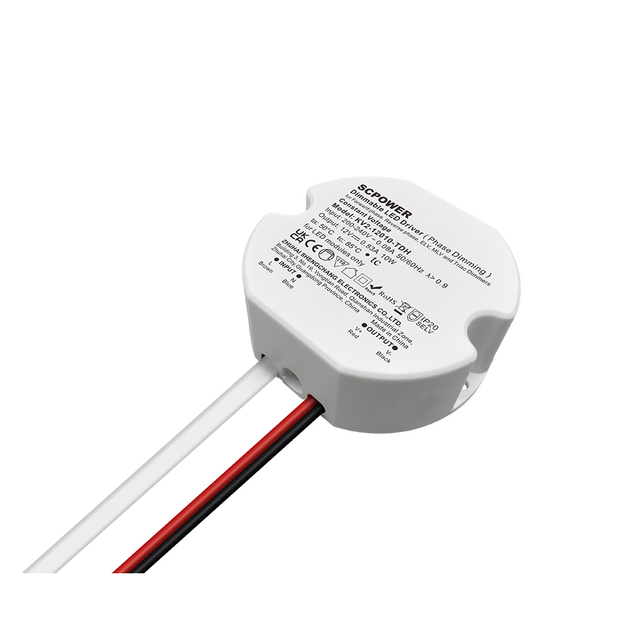
● TRIAC Dimming: Works with standard wall dimmers.
● 0-10V Dimming: Common in commercial settings, compatible with building management systems.
● DALI: Used in advanced lighting control systems.
Compatibility Considerations:
● Ensure both the driver and LEDs are dimmable.
● Check the dimming range to meet specific needs, as some drivers may only dim to a certain percentage.
By understanding the different types of LED drivers and their functions, we can make informed choices that enhance lighting performance and energy efficiency. Selecting the right driver ensures your LED lighting system operates smoothly and effectively, meeting both aesthetic and functional requirements.
Key Factors to Consider When Choosing LED Drivers
Power Requirements
Calculating total power consumption is the first step in selecting the right LED driver. To do this, simply multiply the wattage of each LED by the number of LEDs in your setup. For example, if you have ten 10W LEDs, your total power requirement is 100W.
Selecting a driver with an adequate power rating is crucial. It's recommended to choose a driver that exceeds your total power needs by at least 20%. This headroom ensures reliability, accommodating any fluctuations in power demand and extending the lifespan of both the driver and LEDs.
Voltage Matching
Constant current drivers deliver a fixed current regardless of voltage variation. They remain essential despite new LED driver innovations, especially in precision lighting. Matching the driver output voltage to your LED requirements is essential for optimal performance. If the output voltage is too high, it can damage the LEDs; if it's too low, the lights may not function properly.
When connecting LEDs, you need to consider whether they will be wired in series or parallel. In series connections, the voltage adds up, while in parallel connections, the voltage remains constant. Common voltage ratings for LED applications include 12V and 24V.
Voltage Rating | Application |
12V | LED strips, small fixtures |
24V | Larger installations |
Ensure the driver can accommodate the total forward voltage of the LED string to avoid performance issues.
Current Regulation
Correct current output ensures LED stability and aligns with modern LED driver innovations. Understanding current requirements is vital when selecting LED drivers. Each LED has specific current ratings, which must be matched by the driver output. Using incorrect current ratings can lead to underperformance or even damage.
To read LED datasheets effectively, look for the specified forward voltage and current ratings. This information helps in selecting a compatible driver. For instance, if an LED requires 700mA, ensure your driver can deliver this current consistently.
Efficiency Standards
Efficiency defines competitive LED driver market trends. Efficiency ratings are important indicators of performance. High-efficiency LED drivers minimize energy waste, which translates to lower energy bills and a reduced carbon footprint. Compliance with international standards like ENERGY STAR and DOE can guide you toward reliable products.
High-efficiency drivers also improve overall system performance by reducing heat generation. Pay attention to both power factor and harmonic distortion, as these factors impact efficiency. A good power factor means more efficient power usage, while low harmonic distortion leads to cleaner power delivery.
Environmental Considerations
When selecting LED drivers for outdoor or damp environments, IP ratings are critical. These ratings indicate how well the driver can withstand moisture and dust. A higher IP rating means better protection against environmental factors.
Temperature plays a significant role in driver performance. High temperatures can degrade components, so consider drivers with built-in thermal protection. This feature helps manage heat dissipation effectively, ensuring the driver operates within safe limits.
In summary, by focusing on these key factors—power requirements, voltage matching, current regulation, efficiency standards, and environmental considerations—you can make informed decisions that enhance the performance and longevity of your LED lighting systems.
LED Driver Innovations: Smart and Intelligent Solutions
As lighting systems become more connected and energy regulations continue to tighten, LED driver innovations are no longer limited to basic power conversion. The biggest LED driver trends 2026 focus on intelligence, monitoring, and safety—especially in commercial buildings, smart homes, and smart-city projects.
Modern LED driver technology is evolving from “power supply hardware” into a key control layer for lighting performance, user experience, and energy management.
Smart LED Drivers
Smart LED drivers represent the next stage in LED driver technology, designed to integrate seamlessly with IoT platforms and intelligent lighting control ecosystems. Unlike traditional drivers that only deliver stable voltage or current, smart drivers can communicate with control systems, collect operational data, and adjust performance in real time.
This shift is one of the most important LED driver technology trends in 2026, because lighting projects increasingly require automation, monitoring, and predictive maintenance—not just stable output.
Key Advantages of Smart LED Drivers
Remote control via apps: Users can adjust brightness, schedules, and lighting scenes through mobile apps or smart building dashboards.
Energy monitoring: Smart drivers can track power usage, load changes, and operating hours, helping reduce waste and optimize energy costs.
Adaptive performance: Some drivers can automatically adjust output based on temperature, dimming conditions, or system feedback to maintain stable performance.
Because of these capabilities, smart lighting LED drivers are now central to the future of LED drivers, especially in large-scale applications where energy savings, system control, and maintenance efficiency matter.
Smart Driver Use Cases in 2026
Smart LED drivers are especially valuable in:
Commercial offices and retail spaces
Hospitals and educational buildings
Smart street lighting and smart-city infrastructure
Warehouses and industrial facilities
High-end residential smart lighting systems
In these environments, the ability to monitor and control lighting remotely reduces operational costs and improves user comfort.
Smart LED Drivers vs Standard Drivers
| Feature | Standard Drivers | Smart LED Drivers |
| Remote Control | No | Yes |
| Energy Monitoring | No | Yes |
| Integration with IoT | No | Yes |
| Customizable Settings | Limited | Extensive |
As LED driver market trends continue to shift toward smart infrastructure, smart drivers are increasingly becoming the default choice for modern projects rather than an “optional upgrade.”
Safety and Thermal Protection
Another major category of LED driver innovations in 2026 is advanced safety and protection design. While efficiency and smart features attract attention, safety is still the foundation of reliable LED systems—especially in commercial and outdoor installations.
A high-quality LED driver should protect both the LEDs and the electrical system from common failure scenarios such as overheating, overload, and wiring faults.
Built-in Safety Mechanisms in Modern LED Drivers
Advanced LED drivers commonly include:
Overcurrent protection: Prevents excessive current from damaging LEDs, especially during power fluctuations or incorrect load conditions.
Short-circuit protection: Automatically shuts down or limits output when a wiring fault occurs, protecting the driver and LED modules.
Thermal shutdown: Stops operation if internal temperature exceeds safe limits, reducing the risk of component failure or fire hazards.
These protections significantly improve reliability within modern LED driver technology frameworks, and they are increasingly expected as standard features in the future of LED drivers.
Why Thermal Protection Matters in 2026
Thermal management is a key factor in LED driver trends 2026 because lighting projects are being deployed in more demanding environments:
Enclosed ceilings with limited airflow
Outdoor housings exposed to sun and humidity
Industrial areas with high ambient temperatures
Compact fixtures with minimal heat dissipation
Without thermal protection, even a correctly sized driver may fail prematurely. With proper protection, LED drivers can maintain stable output, reduce flickering risk, and deliver longer service life—especially in continuous-use applications.
Installation and Maintenance of LED Drivers
Installation Guidelines
Installing LED drivers correctly is crucial for ensuring optimal performance and safety. Here’s a step-by-step guide to help you through the process:
1. Read the Manual: Always start by reviewing the manufacturer’s installation guide. Each driver may have unique requirements.
2. Turn Off Power: Before starting, make sure to turn off the power at the circuit breaker to avoid any accidents.
3. Select Mounting Location: Choose a dry, well-ventilated area for installation. Avoid locations that may expose the driver to moisture or extreme temperatures.
4. Connect Wires: Carefully connect the input wires from the power source to the driver and the output wires to the LED fixtures. Ensure all connections are secure.
5. Test the System: Once everything is connected, turn the power back on and test the system to ensure it operates correctly.
Common Mistakes to Avoid:
● Failing to turn off the power before installation.
● Using the wrong wire gauge, which can lead to overheating.
● Overloading the driver beyond its rated capacity.
For complex setups, consider professional installation. This ensures that everything is done correctly, especially in commercial environments where multiple drivers and fixtures are involved.
Tools and Materials Needed:
● Screwdriver
● Wire strippers
● Electrical tape
● Multimeter for testing connections
Troubleshooting Common Issues
Even with proper installation, issues can arise with LED drivers. Here are some common problems and troubleshooting tips:
Common Problems:
● Flickering Lights: This can occur due to loose connections or incompatible dimmers. Check all connections and ensure the driver is compatible with your dimming system.
● Overheating: If the driver gets too hot, it may indicate insufficient ventilation or that it’s overloaded. Ensure it’s placed in a well-ventilated area and not exceeding its rated capacity.
Simple Troubleshooting Steps:
● Check Connections: Ensure all wiring is secure and correct.
● Test Voltage Output: Use a multimeter to verify that the driver is supplying the correct voltage.
● Inspect for Damage: Look for any visible signs of damage on the driver or wiring.
When to Seek Professional Help: If problems persist after troubleshooting, it’s time to call in an expert. Persistent flickering, unusual noises, or signs of burning could indicate a more serious issue.
Preventive Maintenance Tips:
● Regularly inspect the driver for dust buildup and clean it as needed.
● Ensure proper ventilation around the driver to prevent overheating.
● Periodically check connections to ensure they remain secure.
By following these installation guidelines and maintenance tips, you can help prolong the life and performance of your LED drivers, ensuring they work efficiently for years to come.
Conclusion
Choosing the right LED driver is crucial for optimal performance. It impacts efficiency, longevity, and safety. Consider all factors discussed, such as power requirements and smart features. As LED technology evolves, smart drivers will play a significant role in energy management. The future of LED drivers is driven by efficiency, intelligence, and adaptability. Understanding LED driver technology, tracking LED driver trends 2026, and adopting modern LED driver innovations will ensure reliable, long-lasting lighting systems. For reliable LED drivers, consider Suretron. Their products offer unique advantages, ensuring high performance and durability. Explore more about their offerings to enhance your lighting solutions.
FAQ
Q: What is LED driver technology and why is it important?
A: LED driver technology ensures stable power delivery to LEDs, improving efficiency, safety, and lifespan.
Q: What are the biggest LED driver trends in 2026?
A: Smart LED drivers, higher efficiency standards, and IoT integration dominate LED driver trends 2026.
Q: Are smart LED drivers worth it?
A: Yes. Smart lighting LED drivers enable energy monitoring, automation, and remote control.
Q: How do LED driver innovations improve efficiency?
A: Advanced regulation, thermal protection, and intelligent power management reduce energy loss.
Q: What role do LED driver market trends play in product selection?
A: Market trends highlight reliable, future-proof technologies aligned with evolving lighting standards.