Introduction
LEDs have transformed modern lighting with their energy efficiency and long lifespan. But can you use them without a dedicated LED driver? While most LEDs require a driver to ensure optimal performance, some scenarios may allow them to function without one.
In this article, we will explore when an LED driver is necessary and when LEDs can operate without it, highlighting the potential risks and benefits.
Why Choosing the Right LED Driver is Crucial for Your Project
What is an LED Driver?
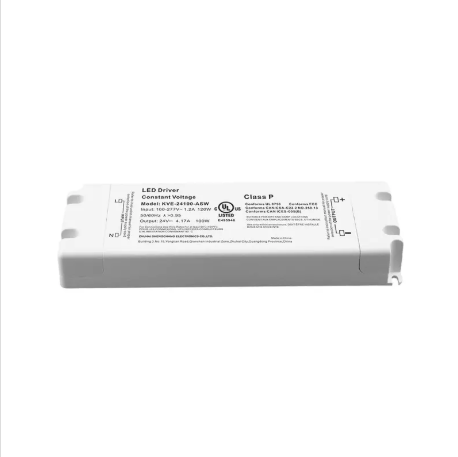
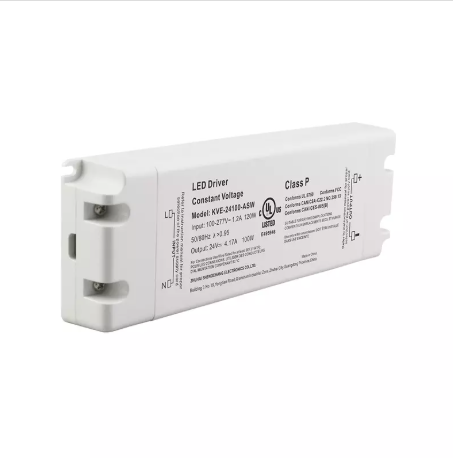
An LED driver is an essential component that ensures LEDs operate safely and efficiently. Unlike standard lighting systems, LEDs require a regulated electrical current to perform at their best. There are two main types of LED drivers: constant current and constant voltage.
● Constant Current LED Drivers regulate the current supplied to the LED, maintaining a steady flow of electricity to ensure the LED remains at optimal brightness throughout its lifespan.
● Constant Voltage LED Drivers supply a fixed voltage (such as 12V or 24V) and allow the current to vary according to the LED’s needs, typically used in LED strip lights and other similar applications.
By providing the correct electrical parameters, an LED driver prevents overvoltage, undervoltage, and current fluctuations, ensuring the longevity and functionality of the LED. This is particularly important because LEDs have very specific voltage and current requirements to maintain their efficiency and avoid damage.
Feature | Constant Current LED Driver | Constant Voltage LED Driver |
Purpose | Regulates current, ensures constant brightness | Regulates voltage, allows varying current |
Common Uses | Individual LEDs or series of LEDs | LED strips, modules with resistors |
Output | Fixed current, variable voltage | Fixed voltage, variable current |
Examples | LED bulbs with specific current requirements | LED strip lights or modules that require specific voltage |
Key Advantage | Protects LEDs from power surges, extends lifespan | Simplifies installation and is more adaptable |
The Role of an LED Driver in Maximizing LED Lifespan
The primary role of an LED driver is to ensure that the LED receives the right amount of current and voltage. By regulating these electrical parameters, the driver prevents power surges that can burn out the LED, thus enhancing its lifespan. Without a driver, LEDs may face instability in their power supply, causing overheating, premature failure, and other issues.
For instance, without proper current control, LEDs can experience a phenomenon known as "thermal runaway," where excess heat leads to irreversible damage. A driver prevents this by limiting the current to a safe level, maintaining consistent performance, and significantly extending the LED's life.
Efficiency and Safety Considerations
LED drivers not only optimize the performance of the LED but also enhance the system’s energy efficiency. By regulating power, they reduce energy waste and help achieve the best possible lumen output per watt of power used. For businesses and consumers alike, this results in lower operating costs and a more environmentally friendly solution.
Additionally, many LED drivers come with built-in safety features like overvoltage, overcurrent, and short-circuit protection. These safety mechanisms further ensure the safe operation of the lighting system, protecting both the LEDs and the entire electrical setup from potential harm.
Tip: For energy-saving benefits and longevity, using a proper LED driver is always recommended, even if low-power applications might seem to work without one.
Flickering and Light Quality
One of the most common issues with LED lights operating without a driver is flickering. Flickering occurs when there is a fluctuation in the electrical current or voltage supplied to the LED. This can disrupt the overall lighting experience, especially in environments where steady and reliable lighting is essential.
LED drivers ensure smooth, uninterrupted power flow to prevent flickering. This is especially important in applications like photography studios, offices, or living rooms where consistent lighting is critical for comfort and productivity. By regulating the current and voltage, drivers prevent unstable behavior, ensuring that the light remains steady and reliable.
When Can LEDs Operate Without a Driver?
Application | Can LED Work Without a Driver? | Additional Notes |
Low-power LEDs (e.g., indicators) | Yes | Suitable for simple, low-power setups |
Integrated LED Modules | Yes | Drivers built-in for easier installation |
Simple DIY projects | Yes | Requires understanding of current and voltage needs |
High-power or complex setups | No | Requires a dedicated LED driver for stability |
Low Power LEDs in Simple Applications
In some simple applications, low-power LEDs can function without a dedicated driver. For example, small indicator lights or single LEDs used in basic circuits may operate with a simple power supply like a battery. These setups are common in DIY projects or educational experiments, where the power supply’s voltage matches the LED’s requirements.
For instance, a typical red LED requires about 2V to operate, so if you connect it directly to a 2V power source, it will light up without needing a driver. However, this is only suitable for low-power, non-critical applications. For instance, LED indicator lights or simple decorative lighting can work well in such setups, but the range of applications is limited.
Some modern LED modules come with integrated drivers. These LED bulbs or strips are designed with built-in circuitry that regulates the voltage and current, making an external driver unnecessary. These integrated solutions eliminate the need for additional components, simplifying installation and reducing the number of parts required.
For example, many LED replacement bulbs for incandescent lights come with integrated drivers that allow them to be connected directly to standard AC power. However, these modules are usually designed to work with specific types of power supplies and might not be suitable for all setups. In commercial and high-power applications, using a dedicated LED driver ensures optimal operation.
When Current and Voltage Match
If the voltage and current requirements of the LED match the power supply, it may be possible to use the LED without an additional driver. This situation is common with simple, low-power LED systems where the power supply matches the needs of the LED. For instance, connecting a low-power LED directly to a battery with the correct voltage (e.g., a 12V LED connected to a 12V power source) can work without a driver.
Tip: Always check that the power supply matches the voltage and current needs of the LED before bypassing a driver. This will ensure that the LED operates safely and efficiently without any damage.
DIY Projects and Experimental Uses
For DIY enthusiasts or in educational settings, using LEDs without a driver can be a great way to experiment and learn. Simple DIY projects, such as LED flashlights, lamps, or decorative lights, often use low-power LEDs that do not require a driver. These projects offer a hands-on experience with LEDs and teach the basics of how LED lighting works.
However, this approach requires caution, as improper voltage or current can damage the LEDs or cause them to operate inefficiently. It’s important to understand the electrical properties of the LED and the power supply before proceeding.
The Risks of Using LEDs Without Proper Power Regulation
Potential Damage to LEDs
While LEDs can work without a driver in specific scenarios, there are inherent risks involved. LEDs are sensitive to changes in voltage and current, and without regulation, they may be exposed to conditions that could damage them. Overvoltage or excessive current can cause the LED to overheat, reducing its lifespan or even rendering it inoperable.For instance, a constant power surge without regulation could destroy the LED’s internal components, leading to complete failure. This is why proper power regulation is crucial to ensure the longevity and performance of the LED.
Lack of Voltage and Current Regulation
Without an LED driver, the voltage and current provided to the LED can fluctuate. This inconsistency can cause issues like brightness variation or even permanent damage. LEDs are designed to operate under stable conditions, and even small fluctuations in voltage or current can lead to a loss of efficiency or failure.
Limited Control Features
An LED driver also offers important features such as dimming and color control. Without a driver, these features are often unavailable. For example, many modern LED systems are designed to work with dimmable drivers, enabling users to adjust light levels based on their preferences or needs. Operating LEDs without a driver can limit these functionalities, reducing flexibility in lighting design.
If you would like to learn more about the risks of using LEDs without proper power regulation and how to protect your LEDs, you can visit the article "Intelligent Dimmable LED Driver Protection Q&A: Is Your Driver Truly Safe? Check Now" for detailed insights on driver protection features and how they ensure safe, efficient LED operation. Read the full article here.
When to Avoid Operating LEDs Without a Dedicated Driver
High-Power LEDs and Complex Applications
For high-power LEDs or more complex lighting systems, using an LED driver is essential. These applications, such as large-scale lighting setups, require stable and regulated power to ensure efficiency, safety, and performance. Without a driver, high-power LEDs are at risk of overheating, electrical faults, and diminished lifespan.
Energy Inefficiency Without Proper Regulation
Using LEDs without a driver can lead to significant energy inefficiencies. LEDs rely on constant power input, and any fluctuation in voltage or current can result in wasted energy. Over time, this inefficiency will increase operating costs and decrease the overall effectiveness of the lighting system.
Tip: For energy savings and long-term benefits, it’s always better to use a properly regulated LED driver.
Key Considerations for Using LEDs Without a Driver in Special Setups
Matching Power Sources to LED Requirements
If you decide to use LEDs without a driver, ensure that the power source matches the LED’s specifications. This means matching both voltage and current to the LED’s needs. Mismatched power supplies could lead to underperformance or damage.For example, when using LEDs without a driver, it's important to choose power sources that provide a stable, correct voltage. If the voltage exceeds the LED’s rated level, it could cause overheating and failure.
DIY Modifications and Circuit Adjustments
For those who wish to create a more customized system, modifying the circuit by adding resistors or capacitors can help stabilize the power going to the LED. This can act as a substitute for a driver in certain situations. However, this requires a good understanding of electronics to avoid risks like component failure.
Simple Applications and Limitations
For simple projects, like LED signs or indicator lights, using LEDs without a driver can be sufficient. In these low-complexity applications, the risk of damaging the LED is lower, and you can usually operate the LED directly from a power source.
Conclusion
In conclusion, while some low-power or integrated LEDs may operate without a driver, using an appropriate LED driver is the best way to ensure stable performance, energy efficiency, and longer lifespan. For high-power or more complex applications, a driver is essential to maintain safety and reliability. Zhuhai Shengchang Electronics Co., Ltd. offers high-quality LED drivers and integrated solutions, providing the performance and durability needed to get the most out of any LED system.
To learn more about selecting the right LED driver for your specific needs, check out our comprehensive guide on "How to Choose the Right LED Driver for LED Strip Lights?". This guide will help you understand the key factors to consider when selecting a driver, ensuring optimal performance and compatibility for your LED system.
FAQ
Q: Can I use an LED without a driver?
A: In certain low-power applications or with integrated LED modules, LEDs can operate without a driver. However, for most high-power or complex setups, an LED driver is essential to regulate voltage and current.
Q: What is the role of an LED driver?
A: An LED driver regulates the current and voltage supplied to the LED, ensuring stable performance and extending its lifespan by preventing power surges.
Q: Why do I need an LED driver for high-power LEDs?
A: LED drivers are crucial for high-power LEDs to maintain safe voltage and current levels, preventing damage from overheating or fluctuations in power.
Q: Can I use an LED driver with a battery-powered LED setup?
A: While low-power LEDs can sometimes work without a driver, using an LED driver ensures stable operation, especially when connecting to a battery with varying voltage.
Q: How does an LED driver affect LED brightness?
A: LED drivers ensure consistent current flow, preventing flickering and ensuring the LED maintains steady brightness over time.


