Introduction
LEDs are highly efficient and long-lasting, but they require precise control of voltage and current to work properly. This is where LED driver come in—designed to deliver the right power for optimal performance.
But can an LED driver actually replace a traditional power supply? In this article, we’ll break down the differences between LED drivers and regular power supplies, explain when a driver can act as a power source, and offer guidance on choosing the right solution for different applications.
Understanding LED Drivers and Power Supply Compatibility
What Is an LED Driver?
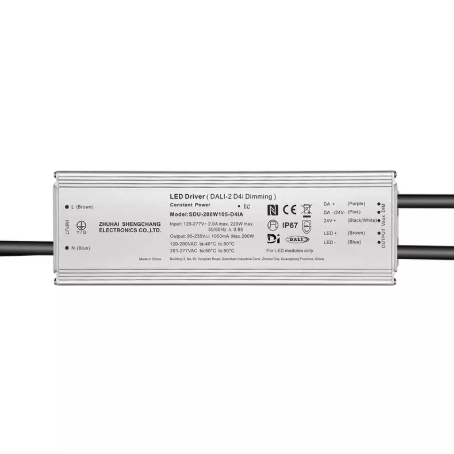
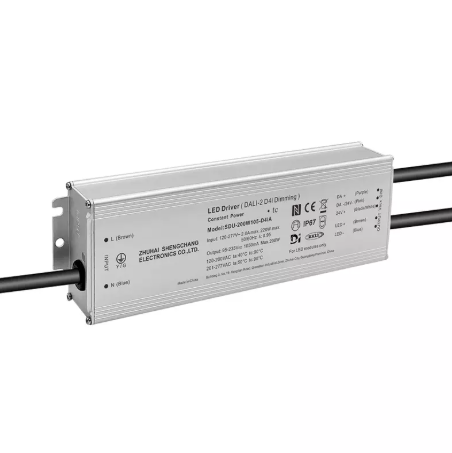
An LED driver is a specialized device that ensures LEDs receive the right amount of electrical power to function correctly. Unlike standard power supplies, constant voltage LED drivers are designed to provide regulated current or voltage, which is essential for optimal LED performance and longevity. They are equipped with various features like dimming, surge protection, and thermal management, tailored specifically for LED lighting systems. LED drivers come in two main types: constant current and constant voltage, each suited to different LED configurations.
The Core Question: Can I Use LED Driver for Arduino or Other Devices?
The question at hand is: "Can I use an LED driver for Arduino or other low-voltage devices?" While the short answer is sometimes yes, it depends on the specific circumstances. In this article, we will explore when an LED driver can replace a power supply and the key differences between the two to help you make an informed decision. Understanding when an LED driver can be used as a power supply can help reduce costs and simplify systems, but it’s crucial to know the limitations to avoid damage.
Importance of Understanding Compatibility
Understanding LED driver power supply compatibility is crucial for achieving both efficiency and safety in any system. While both LED drivers and general power supplies serve to deliver power, their differences can make a significant impact on the functionality of your devices. Using the right power source for the right application ensures optimal performance, safety, and longevity. In some cases, using an LED driver in place of a standard power supply can introduce instability and inefficiency.
Understanding the Basics: LED Drivers vs. Power Supplies
What Is a Power Supply?
A power supply is an electronic device that provides electrical power to a load, typically converting AC (alternating current) to DC (direct current). It can regulate either current or voltage, depending on the needs of the device. Power supplies are designed for a wide range of applications, from powering household electronics to industrial machinery. In many cases, power supplies are built to deliver consistent and regulated power, often including features like surge protection and voltage regulation.
What Is an LED Driver?
LED drivers, on the other hand, are tailored to the unique characteristics of LEDs. LEDs require either a constant current or constant voltage, depending on the type of LED and the configuration. An LED driver regulates this current or voltage to ensure the LED operates within its specifications. Unlike general power supplies, LED drivers are optimized for the electrical needs of LEDs, providing features like dimming, constant current regulation, and protection from overheating. These drivers ensure that LEDs do not receive more power than they can handle, which could cause them to fail prematurely.
Key Differences Between LED Drivers and Power Supplies
● Functionality: Power supplies regulate either current or voltage to meet the needs of various devices. LED drivers specifically manage current or voltage to power LEDs efficiently.
● Design: LED drivers include built-in circuits for dimming, thermal management, and overload protection, which power supplies generally do not include. These additional features are critical for protecting the sensitive components of LED systems.
● Application: LED drivers are optimized for lighting systems, while power supplies are used for a variety of electronic devices. An LED driver is designed to power LEDs specifically, while a power supply can be used for a broader range of electronic devices like computers, televisions, or industrial equipment.
● Voltage Regulation: LED drivers may provide either constant current or constant voltage, depending on the type of LED, whereas power supplies are typically designed for more general applications that don't require specific current or voltage regulation.
Feature | LED Driver | Power Supply |
Function | Provides constant current or constant voltage. | Provides regulated voltage (AC/DC). |
Application | Primarily for LED lighting systems. | Used for a wide range of electronic devices. |
Voltage Regulation | May provide constant current or constant voltage. | Typically provides a stable voltage output. |
Design Features | Includes dimming, thermal management, surge protection. | Typically lacks advanced features. |
Output Type | DC output, designed for LEDs. | Can provide AC or DC, depending on the device. |
Use in Low-Power Devices | Suitable for low-power, low-current devices. | Suitable for a variety of devices, including high-power. |
Power Capacity | Generally designed for lower power needs. | Can handle a wide range of power requirements. |
Can an LED Driver Be Used as a Power Supply?
When LED Drivers Can Be Used as Power Supplies
LED drivers can sometimes be used as power supplies, but only in specific scenarios. For example, a constant voltage LED driver can act as a power supply for devices that require a stable DC voltage. Low-demand devices like Wi-Fi routers or Arduino boards often require a constant voltage of around 12V, which can be supplied by an LED driver. These devices have relatively simple power requirements, making them compatible with the stable output of a constant voltage LED driver.
Limitations of Using LED Drivers as Power Supplies
While LED drivers can sometimes act as power supplies, they have limitations:
Constant Current LED Drivers: These are typically unsuitable for non-LED devices, as they regulate current, not voltage. Devices that require stable voltage, such as many household electronics, will not function properly with a constant current LED driver. Using a constant current driver for a non-LED device may cause electrical instability and potential damage.
Voltage Instability: LED drivers, especially constant current types, may cause voltage fluctuations, which could damage sensitive equipment that requires stable power. Inconsistent voltage output can result in operational failure or even permanent damage to connected devices.
Modifications Needed for Compatibility
In some cases, modifications can make an LED driver work as a power supply for other devices. For instance:
● Capacitors for Noise Filtering: Adding capacitors can help reduce electrical noise and smooth out voltage fluctuations. This is particularly important for devices like microcontrollers and communication equipment that rely on stable voltage and low noise.
● Ensuring Voltage and Current Matching: The voltage and current specifications of the device must match the output of the LED driver. Mismatched voltage or current could lead to device malfunction or failure. It’s important to verify that the power requirements align with the LED driver’s output capabilities before connecting devices.
Tip:
Before using an LED driver as a power supply, ensure the device's power requirements match the output characteristics of the driver. If necessary, use a multimeter to check the voltage and current before connecting to your device.
Practical Applications of LED Drivers as Power Supplies
Powering Low-Power Devices
LED drivers can be used to power low-voltage, low-current devices, such as Wi-Fi routers and sensors, if they require a constant voltage output. These devices do not demand high power and can operate effectively within the range of a constant voltage LED driver.
High-Power Devices and LED Drivers
LED drivers are generally not suitable for high-power devices, as their output may not provide enough wattage. Devices like refrigerators, large monitors, or power-hungry machinery require a high wattage supply that typical LED drivers cannot handle. High-power devices need a much larger and more robust power source to function properly.LED drivers cannot replace the power supply for devices like computers or large industrial equipment, which require higher power capacities. These devices typically need power supplies capable of handling high current or voltage, which LED drivers are not designed for.
LED Driver for Solar or Battery-Powered Systems
In solar or battery-powered systems, LED drivers can be used to regulate the power provided to the lighting system. For example, solar-powered LED street lights often use DC-DC LED drivers to manage the voltage and current from a solar panel to the LEDs. This makes them an effective solution in renewable energy systems.In a solar streetlight system, a DC-DC LED driver efficiently converts the power from the solar battery to drive the LEDs. These systems rely on the stability and efficiency of LED drivers to operate effectively in off-grid locations.
Potential Risks and Challenges When Using LED Drivers as Power Supplies
Voltage and Current Compatibility Issues
One of the biggest challenges is ensuring the device’s voltage and current needs are compatible with the output of the LED driver. Many non-LED devices require specific and stable voltage, which might not be achievable with an Led driver. Improper voltage can cause devices to malfunction or fail completely.Using an LED driver for powering a sensitive microcontroller could lead to unstable performance due to fluctuations in the voltage output. Inaccurate voltage could cause the microcontroller to behave erratically or become damaged.
Noise and Electrical Interference
LED drivers can produce electrical noise, which can interfere with sensitive electronics. This is particularly a concern for devices like computers or audio equipment, where power stability is critical. Without proper noise filtering, LED drivers could degrade the performance of sensitive equipment.An LED driver without proper noise filtering might cause audio distortions when used with sound equipment. This can lead to a poor user experience and affect the overall performance of the audio system.
Long-Term Reliability Concerns
Over time, using an LED driver as a power supply for non-LED devices can result in inefficiency and damage to both the driver and the device. Inadequate power regulation could lead to overheating or failure of components. This could shorten the lifespan of both the LED driver and the device being powered.
When Should You Avoid Using an LED Driver as a Power Supply?
Devices Requiring High Power
LED drivers often lack the capacity to handle high-wattage devices like computers, industrial machinery, or large electronics. These devices require robust power supplies capable of handling high current or voltage. LED drivers are not designed for high-power applications and may cause damage to devices or operate inefficiently.An LED driver should not be used for powering high-wattage devices such as refrigerators or large televisions, which require significant power.
Critical Voltage Applications
Devices that require strict and stable voltage regulation should not be powered by an LED driver, especially if it's a constant current model. Voltage fluctuations can lead to operational instability and damage to sensitive equipment. Devices with specific voltage needs should use a power supply designed for those requirements.an Led driver should not power a medical device that requires precise and stable voltage, as it could risk the equipment's performance.
AC-Powered Devices
LED drivers output DC power, which makes them incompatible with devices that require AC power. For example, an LED driver cannot replace the power supply for appliances that run on AC, such as most home appliances. Devices that require AC input cannot be powered by a DC-only LED driver.An LED driver cannot replace the power supply for a microwave or air conditioner, which requires AC input.
Conclusion
In this article, we discussed when an LED driver can act as a power supply. LED drivers are specialized for LEDs and can sometimes substitute for power supplies for low-demand devices, particularly constant voltage LED drivers. However, constant current LED drivers should not be used for non-LED loads. Modifications like adding capacitors can help, but voltage and current compatibility must always be checked. Before using an LED driver as a power supply, ensure the device’s power needs match the output. LED drivers may work for low-power, low-voltage devices but are unsuitable for high-power or AC-powered devices. For optimal performance, choose the right power supply for your needs.
For high-quality power solutions, Zhuhai Shengchang Electronics Co., Ltd. offers reliable LED drivers that ensure optimal performance and longevity for your LED systems. Their products are designed to provide efficient power management with advanced features such as dimming, surge protection, and thermal management.
FAQ
Q: Can an LED driver be used as a power supply for other devices?
A: Yes, a constant voltage LED driver can sometimes be used as a power supply for low-demand devices, like Wi-Fi routers or Arduino boards. However, a constant current LED driver should not be used for non-LED devices.
Q: What is the difference between an LED driver and a power supply?
A: An LED driver regulates current or voltage specifically for LEDs, ensuring optimal performance. A power supply, on the other hand, is more general and provides consistent power to a wide range of devices.
Q: How do I know if my LED driver is compatible with my device?
A: Check if the voltage and current specifications of your device match the output of the LED driver. Ensure the LED driver’s output type (constant current or constant voltage) aligns with your device’s power requirements.
Q: What modifications are needed to use an LED driver as a power supply?
A: Modifications, like adding capacitors for noise filtering, can help stabilize voltage fluctuations. Always ensure voltage and current compatibility to prevent device damage.
Q: Can I use a constant current LED driver for a non-LED device?
A: No, a constant current LED driver is designed to regulate current for LEDs and may cause instability in non-LED devices that require stable voltage.


