Introduction
Facing flickering lights, sudden shutdowns, or inconsistent brightness? Before you replace the entire LED fixture, the problem—and the solution—often lies with the LED driver. Choosing the correct replacement isn’t just about swapping parts; it’s about restoring performance and ensuring longevity. This guide will walk you through the critical steps to make the right choice, avoiding common pitfalls that lead to repeat failures.
Understanding LED Driver Types
Constant Current vs. Constant Voltage
The first step in choosing a replacement LED driver is understanding the two primary types: Constant Current (CC) and Constant Voltage (CV) drivers. Each type is designed for different kinds of LED applications, and selecting the wrong type can lead to inefficient performance or even damage to your LED system.
● Constant Current (CC) Drivers: These are ideal for high-power LEDs or LEDs that require a fixed current. The voltage supplied by the driver can vary depending on the needs of the LED, but the current remains stable. This type of driver is often used in applications like street lighting, high-bay lighting, or spotlights where the current needs to remain constant despite changes in voltage.
● Constant Voltage (CV) Drivers: These drivers supply a fixed voltage to the LED, while the current fluctuates based on the number of LEDs connected and their current requirements. Constant voltage drivers are commonly used for LED strips, signage, or decorative lighting systems where a steady voltage is required, typically 12V or 24V.
Tip: If you're unsure which type of driver to choose, consult the datasheet of your LEDs or check the existing driver specifications. This will help you determine whether you need a constant current or constant voltage driver.
How to Determine the Type of LED Driver Needed
To determine whether you need a Constant Current or Constant Voltage driver, you should consider the following factors:
● Constant Current Drivers: If you are working with high-power LEDs or LEDs that need a consistent current to function optimally, choose a constant current driver.
● Constant Voltage Drivers: If you're working with LED strips, modular lighting systems, or other parallel configurations, opt for a constant voltage driver.
For advanced applications, some drivers offer programmable current or voltage outputs, providing flexibility for custom lighting designs or when exact specifications are not standard.
Tip: If you are unsure, it is advisable to seek help from a lighting professional to ensure compatibility.

Key Specifications to Consider When Choosing a Replacement LED Driver
Voltage and Current Compatibility
The voltage and current of your LEDs are the most important factors in selecting a replacement LED driver. Mismatched voltage or current can lead to inefficient operation, reduced performance, or even damage to the LEDs.
● Voltage: The output voltage of the driver must match the voltage requirement of your LED. For instance, if your LED requires 12V, make sure the driver provides 12V.
● Current: In a constant current configuration, the driver’s output current must match the current required by the LED. Too much current can cause overheating and damage to the LED, while too little will result in dim or inconsistent lighting.
Example: If you have a 12V LED strip that consumes 60W, choose a driver that can supply at least 60W, but ideally 72W (20% extra to ensure reliability).
LED Type | Required Voltage | Required Current | Recommended Driver Wattage |
LED Strip | 12V | 5A | 72W |
LED Module | 24V | 2.5A | 60W |
Power Consumption and Efficiency
The power consumption of your LEDs should match the wattage rating of your replacement LED driver. To calculate the required wattage:
1. Calculate the power consumption per meter (for strips) or per unit (for modules).
2. Multiply by the total length or number of units.
3. Select a driver with a capacity 20-25% higher than your total wattage requirement to avoid underpowering the LEDs and ensure longevity.
Example: For a 10-meter LED strip that consumes 5W per meter, the total power requirement is 50W. A 60W driver will suffice, but choosing a 72W driver will provide a safety margin.
Note: A driver with higher efficiency will waste less power as heat, which helps improve both the lifespan of the LEDs and the driver itself.
Dimming Capabilities
If you plan to use dimming functionality, ensure the replacement LED driver is compatible with the dimming method you require. Some common dimming options include:
● 0-10V Dimming: This is widely used in commercial and industrial settings for smooth dimming control.
● DALI Dimming: A more advanced protocol often used for smart lighting systems in large buildings or intelligent control systems.
● TRIAC Dimming: Often found in residential settings, this allows dimming via leading-edge and trailing-edge dimmers.
Tip: If dimming is important for your setup, ensure the driver you choose supports the required dimming protocol. This can improve energy savings and enhance the lighting ambiance.
Environmental Considerations
Choosing a Driver Based on Installation Location
The installation environment plays a significant role in the choice of replacement LED driver. LED drivers come with different Ingress Protection (IP) ratings to protect them against dust, water, and environmental factors.
● Indoor Use: IP20 is typically sufficient for indoor installations where the driver is kept in dry conditions.
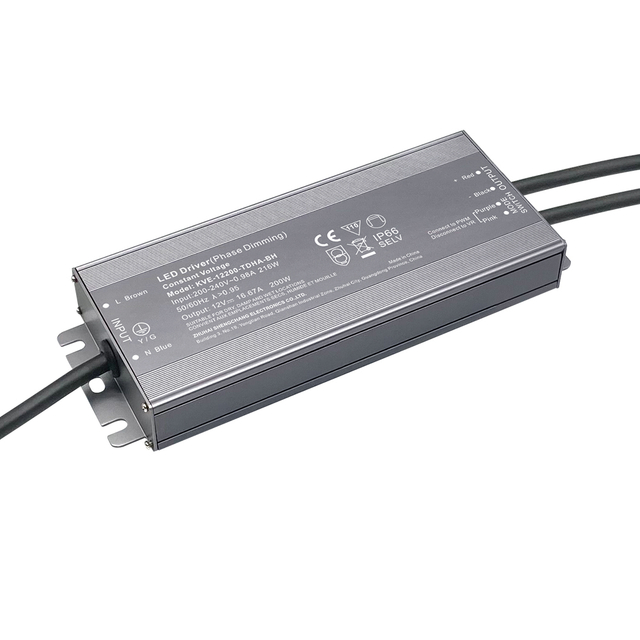
● Outdoor Use: If the driver will be exposed to rain, dust, or other harsh conditions, select a driver with a higher IP rating such as IP65 or IP67.
Tip: Check the environmental conditions where the driver will be installed. If it’s for outdoor use or a humid environment, choose a driver with a higher IP rating to protect the driver from potential damage.
Size and Form Factor
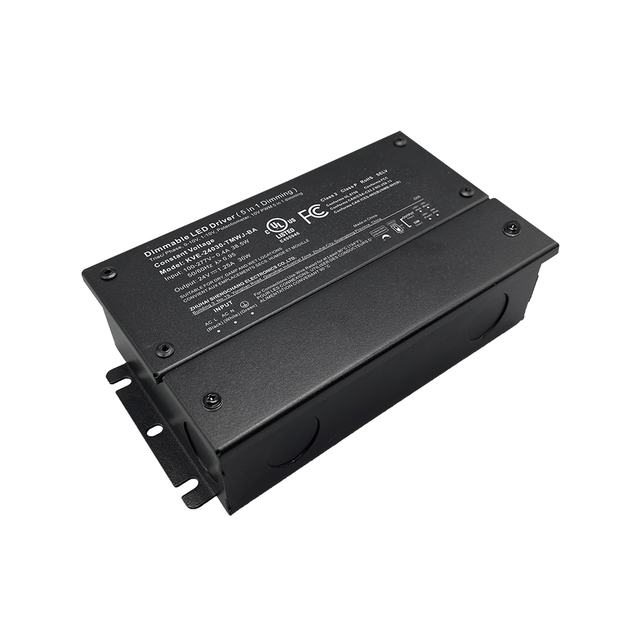
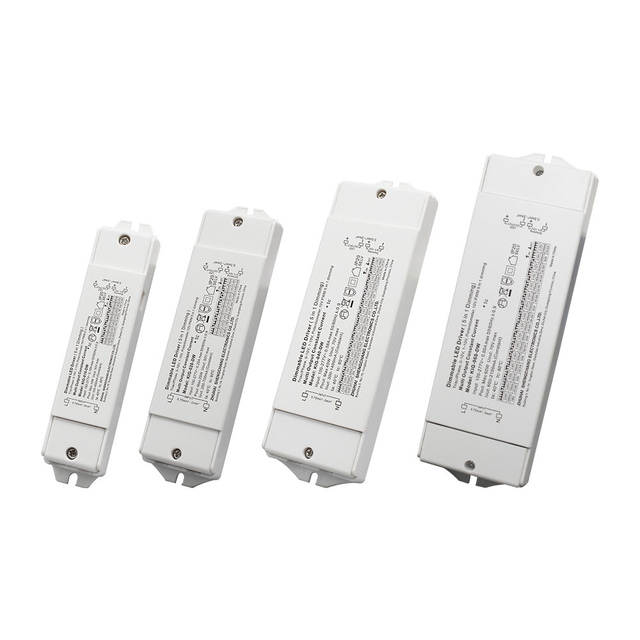
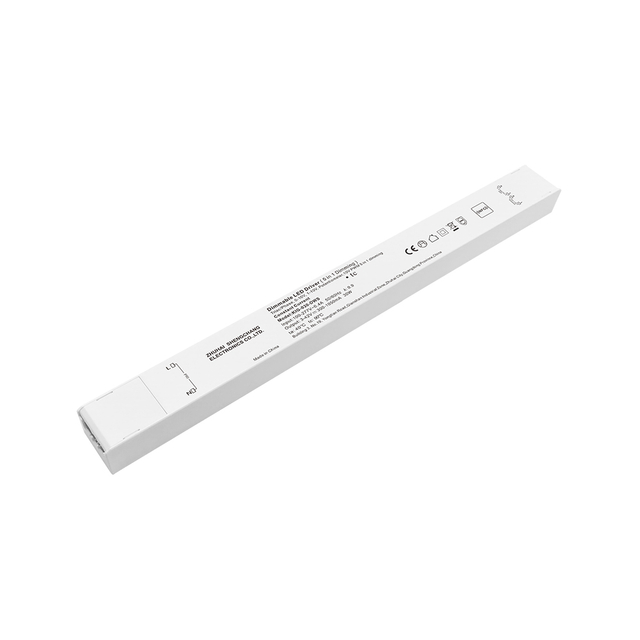
The size of the replacement LED driver must be suitable for the space available in your lighting fixture. While compact drivers are better for tight spaces, larger drivers typically provide better heat dissipation and higher power capacity.
Ensure that the driver physically fits into your lighting fixture or housing. Larger drivers generally perform better in terms of power delivery and heat management, but they may require more space for installation.
Tip: Always measure the available space before purchasing a replacement driver and make sure the dimensions of the new driver are compatible with your fixture.
How to Replace Your LED Driver
Step-by-Step Guide to Replacing a Driver
Replacing an LED driver may seem daunting, but it’s quite simple if you follow the right steps:
1. Turn Off Power: Always ensure that the power is turned off before you start working on the LED system.
2. Remove the Old Driver: Open the fixture and carefully remove the old driver. Record the wiring connections or take photos for reference.
3. Install the New Driver: Connect the new driver according to the wiring diagram. Ensure that the connections are secure and properly aligned.
4. Test the Driver: Before closing up the fixture, test the new driver to make sure it’s functioning correctly. Check the LED output and ensure there are no issues.
Note: If you are unsure about the wiring or installation, consider hiring a professional to ensure safety and proper installation.
Common Issues to Look Out for During Replacement
When replacing the driver, keep an eye out for common issues such as:
● Flickering Lights: This may indicate a mismatch between the LED driver and the LED module in terms of voltage or current.
● Overheating: If the driver is overheating, it may be underpowered or incompatible with the LEDs.
● No Light Output: If the LEDs aren’t lighting up, double-check the wiring and ensure the driver’s specifications match the LED requirements.
Choosing a Reliable Replacement LED Driver Manufacturer
Reputation and Certifications
When selecting a replacement LED driver, it’s crucial to choose a manufacturer with a good reputation. Opt for brands that offer products with certifications such as UL, CE, and RoHS. These certifications ensure the driver meets safety and environmental standards.
Tip: Reliable manufacturers will often provide warranties for their products. A solid warranty can give you peace of mind knowing that the driver is built to last.
Warranty and Customer Reviews
Before purchasing, always check customer reviews and product ratings. A good warranty indicates a higher level of confidence in the driver’s quality and durability. Look for drivers with at least a 2-year warranty to ensure long-term reliability.
Conclusion
In this article, we discussed how to choose the right replacement LED driver. We covered key factors such as voltage, current compatibility, and environmental considerations. By understanding these aspects, you can ensure the optimal performance and longevity of your LED system.
For those seeking high-quality drivers, Zhuhai Shengchang Electronics Co., Ltd. provides reliable solutions. Their products offer excellent efficiency and durability, making them a valuable choice for your LED needs. Their commitment to quality ensures that customers get the best performance from their lighting systems.
FAQ
Q: What is a replacement LED driver?
A: A replacement LED driver is an electrical component that regulates power to LEDs, ensuring they operate efficiently and safely.
Q: How do I choose the right replacement LED driver?
A: To choose the right replacement LED driver, ensure it matches your LED's voltage, current, and wattage requirements, and consider its environmental suitability.
Q: Why is a replacement LED driver important for LED lighting?
A: A replacement LED driver ensures the LED receives the correct power, preventing overheating and failure, and optimizing performance.
Q: Can I replace my LED driver myself?
A: Yes, you can replace your LED driver by following proper steps, ensuring the new driver matches your LED's specifications.
Q: What are the advantages of using a quality replacement LED driver?
A: A quality replacement LED driver improves efficiency, extends LED life, and ensures stable light output, enhancing your lighting system's reliability.