Introduction
Is your LED system underperforming or flickering? It might be time for an LED Driver Replacement.
In this article, we’ll dive into the five critical factors to consider when replacing your LED driver. You’ll learn how to choose the right replacement to ensure maximum efficiency, safety, and performance of your lighting system.
Understanding LED Driver Replacement
What is an LED Driver and Why Does it Need Replacing?
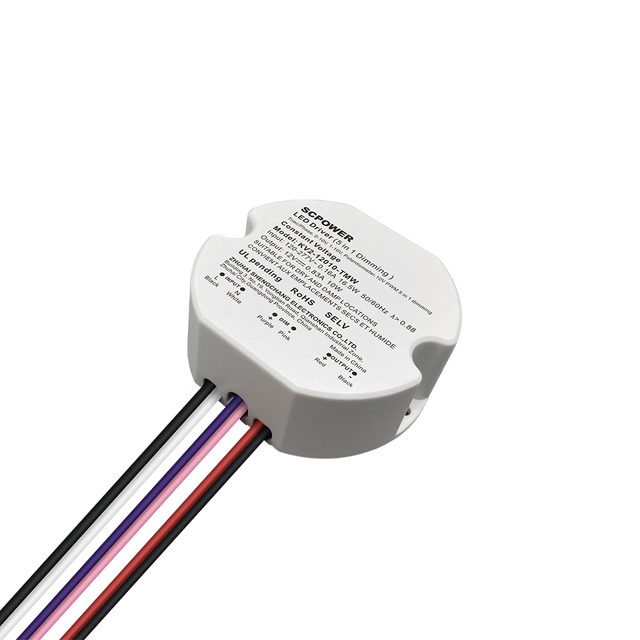
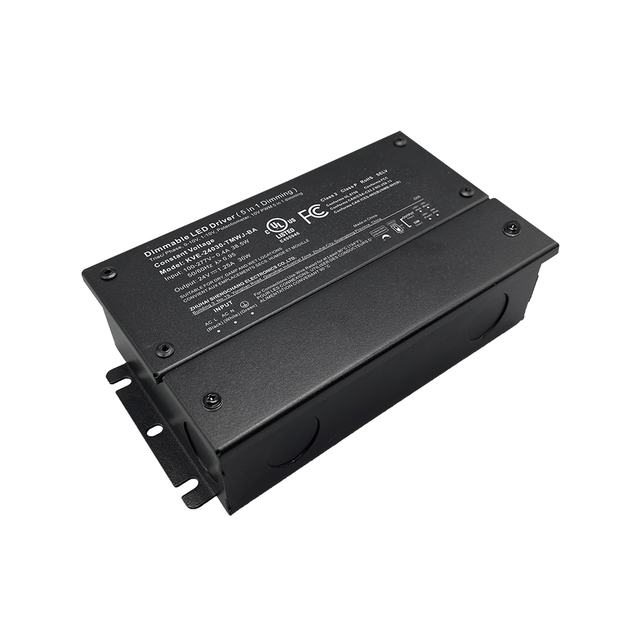
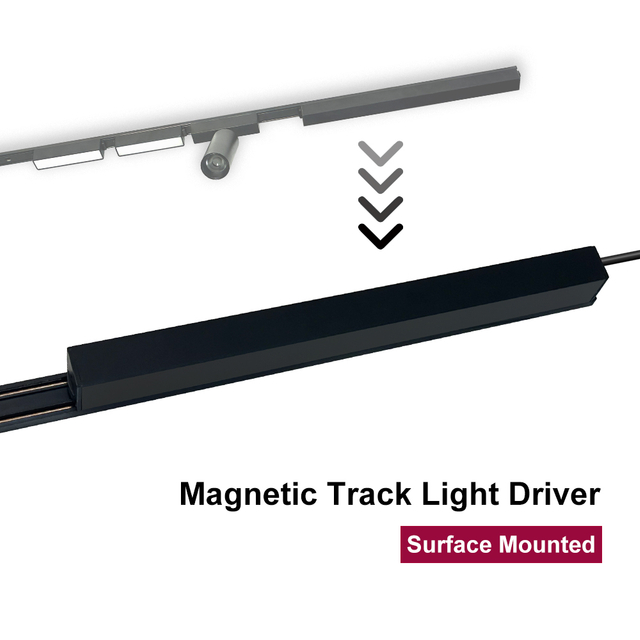
An LED driver is an essential component that regulates the voltage and current going to an LED light fixture. Over time, LED drivers can deteriorate due to continuous usage, age, or overheating. This deterioration can lead to dimming, flickering, or even complete failure of the light. Regularly replacing LED drivers ensures your system continues to function optimally, maximizing energy efficiency and extending the lifespan of the LED lights.
If you notice flickering, inconsistent brightness, or your lights turning off and on unexpectedly, it’s time to check the LED driver. Replacing a malfunctioning driver is a simple way to restore the full performance of your lighting system.
How to Tell if Your LED Driver is Failing?
The most common signs of a failing LED driver include:
● Dimming or Flickering: If the lights flicker or dim irregularly, it’s often a sign of power misregulation.
● Inconsistent Color Temperature: A failing driver can cause fluctuations in the color temperature, leading to inconsistent light output.
● Overheating: If the driver or fixture is unusually hot to the touch, the driver could be malfunctioning.
● Total Failure: If your LED lights don’t turn on at all, the driver may have failed completely.
Identifying these issues early and replacing the driver promptly ensures that your LED system continues to provide reliable and efficient lighting. Ignoring a malfunctioning driver can lead to permanent damage to the entire lighting system.
Tip:Always inspect your LED driver for physical damage or signs of overheating when troubleshooting issues with your lighting system. Early detection can save you time and money.

Power Requirements for LED Driver Replacement
Input Voltage
One of the first considerations when replacing an LED driver is the input voltage. The input voltage must match the requirements of your system. For residential use, this is typically 120V, while commercial or industrial spaces might use 277V.
Before replacing the LED driver, check the voltage specifications. This ensures compatibility between the power supply and the LED driver. If you’re unsure, it’s best to consult an electrician. Using a driver with the wrong voltage could not only damage your LED lights but could also create safety hazards.
Output Voltage
Next, you’ll need to ensure that the output voltage of the replacement driver matches the needs of your LED module. There are two primary types of voltage configurations:
● Constant Voltage Drivers: These provide a fixed output voltage (e.g., 12V or 24V).
● Constant Current Drivers: These provide a fixed current while varying the voltage to match the LED's requirements.
When selecting a replacement, make sure that the output voltage is consistent with the original driver. For instance, if your LED fixture was designed to operate at 12V, use a 12V output driver. If your system requires 24V, choose a 24V output driver.
The output voltage must meet the specifications of your LED light or fixture for it to work efficiently and maintain consistent brightness.
Current Rating
For constant current drivers, you must match the current rating of the original driver. The current is usually specified in milliamps (mA). You can generally find a replacement driver within a 100-200mA range of the original driver. It’s crucial to avoid overdriving your LEDs by selecting a driver with a higher current output than the LEDs can handle.
A good rule of thumb is to undershoot the current, ensuring that the driver doesn’t exceed the maximum current rating of your LEDs. Overdriving the LEDs could result in overheating, which decreases their lifespan.
Factor | What to Check | Tip |
Input Voltage | Ensure it matches your building’s supply voltage (120V or 277V). | Verify the voltage range specified on the driver. |
Output Voltage | Match with the voltage required by your LED module (e.g., 12V, 24V). | Use the same voltage as the original fixture. |
Current Rating | For constant current drivers, ensure the current output matches the required milliamp rating. | Never exceed the LED's rated current capacity. |
Tip:Always double-check the input and output voltage requirements before purchasing a new driver to avoid compatibility issues.
Dimming Capabilities
Does the LED Driver Need Dimming?
If your lighting system has dimming functionality, you must choose a replacement driver that supports the same dimming method. Some common dimming methods include:
● 0-10V Dimming: A widely used dimming method suitable for commercial and industrial applications.
● PWM Dimming: Common in residential settings, this method adjusts the light intensity by changing the pulse width.
● DALI Dimming: Often used in professional and intelligent lighting systems, DALI allows for more advanced dimming control.
Dimmable drivers typically require an external dimmer or controller, which should be compatible with your existing dimming system. If the original LED driver supported dimming, ensure the replacement has the same capability. Also, some drivers are non-dimmable, so check the specifications before purchasing.
If dimming is required, ensure the replacement driver supports the same dimming interface (0-10V, DALI, etc.) as your original system.
Safety Ratings and Certifications
IP Ratings and Protection
When replacing an LED driver, you need to consider its IP (Ingress Protection) rating. This rating determines how well the driver is protected against dust and water, which is especially important for outdoor or harsh environments. The higher the IP rating, the better the protection. For instance, an IP65 rating ensures the driver is dustproof and can withstand water exposure, making it suitable for outdoor applications.
For indoor applications, a lower IP rating may be sufficient, such as IP20 for indoor fixtures. However, if your system will be exposed to moisture, dust, or high temperatures, selecting a higher IP rating ensures reliability.
UL Certification
UL (Underwriters Laboratories) certification is another critical safety factor. UL-rated drivers have passed rigorous safety tests, ensuring they meet safety standards. If your original driver is UL-certified, it’s a good idea to choose a replacement with the same or higher certification.
Safety Standard | What to Consider | Why it Matters |
IP Rating | Choose based on environment (e.g., IP65 for outdoor use). | Ensures protection from environmental hazards. |
UL Certification | Verify the driver has UL certification. | Guarantees compliance with electrical safety standards. |
Tip:Always choose a driver with the appropriate safety certifications and protection ratings to ensure reliable and safe operation.
Physical Size and Compatibility
Size Matters for Driver Replacement
When replacing an LED driver, it’s important to consider the physical size and dimensions of the new driver. While some LED fixtures may allow for a range of sizes, others may be designed for specific driver dimensions. Measure the length, width, and height of the original driver, and check that the replacement driver fits within the designated space in your fixture.
Mounting and Installation
Ensure that the mounting options and installation method for the new driver align with the existing setup. If the replacement driver requires different mounting hardware, be prepared to make adjustments or use alternative methods to secure the driver in place. Some drivers may require new brackets or fastening tools.
Tip: Measure the physical space available for the new driver carefully to avoid installation issues.
Efficiency and Power Factor
Efficiency Ratings
LED drivers vary in their efficiency—the percentage of electrical power that is converted into usable light. Efficient drivers reduce power consumption, saving energy and lowering operating costs. Smaller drivers typically have efficiencies around 80-85%, while high-power drivers can reach near 100% efficiency.
Choosing a more efficient driver can lower your electricity bills and reduce your environmental impact. A highly efficient driver ensures that more of the input power is used to light your LEDs, instead of being lost as heat.
Power Factor
The power factor of an LED driver indicates how effectively it uses electrical power. A power factor close to 1.0 means that the driver is converting nearly all of the input power into usable output power. A higher power factor improves energy efficiency and reduces the electrical load on the system.
Tip: Choose drivers with high efficiency (80% or higher) and a power factor above 0.9 to maximize energy savings and system performance.
Conclusion
Replacing your LED driver is crucial for maintaining performance and longevity. The key factors to consider are the driver’s power requirements, dimming capabilities, safety certifications, physical size, and efficiency. Ensuring these factors align with your original driver will keep your system operating at peak efficiency.
Zhuhai Shengchang Electronics Co., Ltd. Suretron(圣昌)offers high-quality LED drivers designed to meet these essential specifications. Their drivers ensure optimal performance and energy efficiency, making them a reliable choice for any LED lighting system.
FAQ
Q: What is LED Driver Replacement?
A: LED Driver Replacement involves swapping out a faulty or outdated LED driver with a new one to restore lighting performance and efficiency.
Q: When should I replace my LED driver?
A: You should replace your LED driver if you notice flickering, inconsistent brightness, or if the lights fail to turn on, which indicates a malfunctioning driver.
Q: How do I choose the right LED Driver Replacement?
A: When replacing an LED driver, ensure it matches the power requirements, dimming capabilities, and safety certifications of the original driver.
Q: Why is efficiency important when replacing an LED driver?
A: An efficient LED driver reduces energy consumption and improves the overall performance and lifespan of your LED lighting system.
Q: Are LED Driver Replacements expensive?
A: The cost of an LED driver replacement varies depending on power and features, but investing in a high-quality driver ensures better long-term performance and energy savings.