Introduction
Have you ever wondered what powers your LED lights and keeps them running smoothly? The answer lies in the LED driver power supply.
In this article, we will explore what an LED driver power supply is, how it works, and why it's essential for maintaining optimal LED performance. You’ll learn about the different types, benefits, common mistakes to avoid, and how to choose the right one for your needs.
Understanding LED Driver Power Supplies
What is an LED Driver Power Supply?
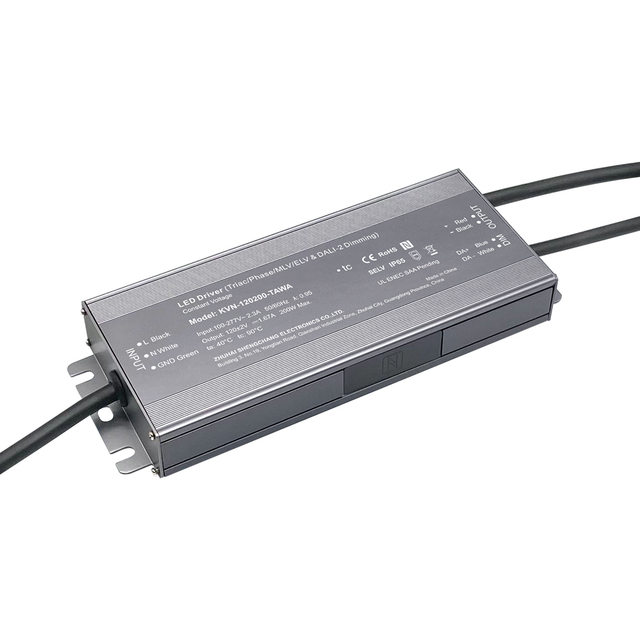
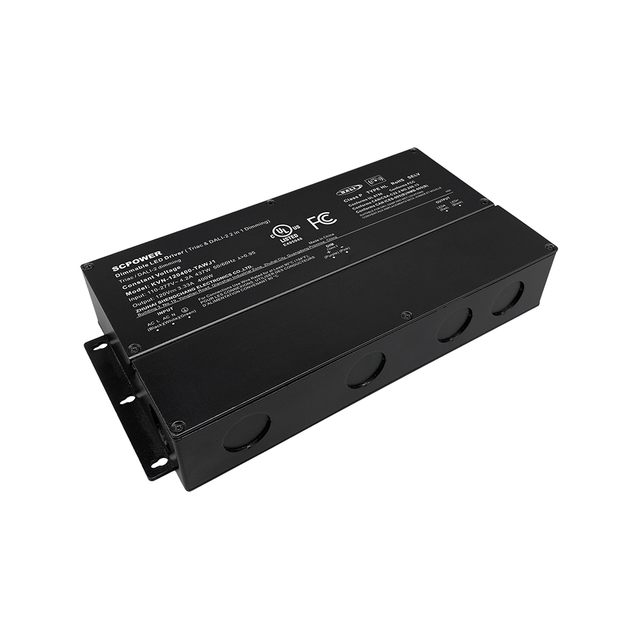
An LED driver power supply is an electrical device that regulates and supplies the necessary power to an LED (Light Emitting Diode). It is crucial in transforming the electrical input into the right form—either constant voltage or constant current—so the LED can perform optimally without being damaged by fluctuating voltages or currents.
Unlike regular power supplies that can be used for a variety of devices, an LED driver power supply is specifically designed for LED lights, taking into account the unique electrical needs of LEDs. It ensures that the right amount of voltage and current is supplied to each LED, helping them to maintain consistent brightness, avoid overheating, and extend their lifespan.
How Does an LED Driver Power Supply Work?
An LED driver converts the high-voltage AC (alternating current) from the power source (wall outlet) into low-voltage DC (direct current), which is suitable for the LEDs. Additionally, it adjusts the current and voltage to fit the specific needs of the LED setup.
LEDs require a steady and regulated power supply, either as constant current or constant voltage, depending on the type of LED module being used. The driver adjusts the voltage or current to maintain this steady power.
Tip: Always check the voltage and current specifications of your LED setup before choosing a driver to ensure compatibility and prevent overdriving the LEDs.
Types of LED Driver Power Supplies
Constant Voltage LED Drivers
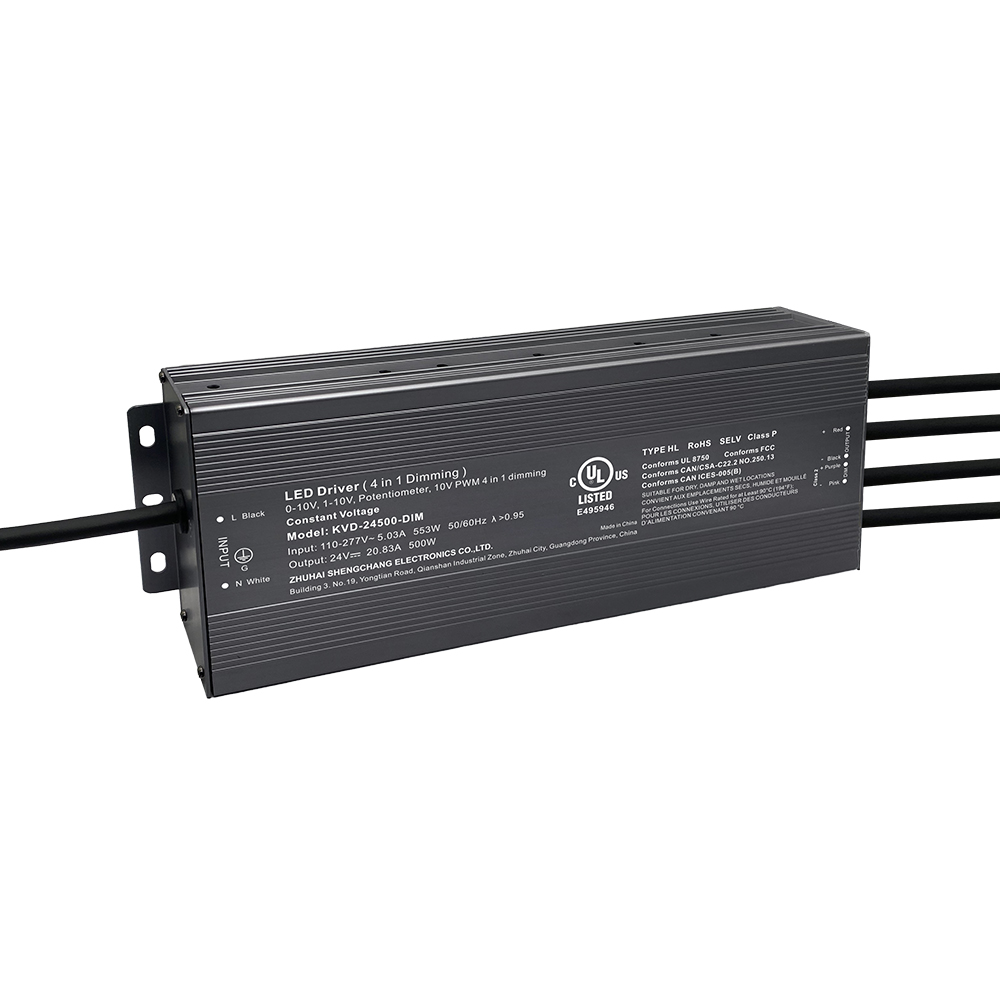
A constant voltage LED driver provides a fixed output voltage, typically 12V or 24V. This type of driver is ideal for systems where multiple LEDs are wired in parallel, such as LED strips. The driver ensures that the voltage remains stable across all LEDs, regardless of variations in the total current draw.
Constant voltage drivers are generally simpler and less expensive, making them suitable for smaller and simpler LED setups. However, it’s important to ensure that the total power consumption of the LEDs does not exceed the rated output of the driver.
A constant current LED driver supplies a fixed amount of current to the LEDs, adjusting the voltage as needed. This type of driver is ideal for high-power LEDs and series-connected LEDs. It ensures that each LED in a series receives the same current, preventing brightness inconsistency and overheating.
Constant current drivers are essential for large-scale, professional-grade LED applications such as street lighting, architectural lighting, and industrial lighting. They are designed to provide better performance and longer lifespan for high-power LEDs, ensuring steady light output even as environmental conditions or LED characteristics change.
Auto-Constant Current and Constant Voltage LED Drivers
Some modern LED drivers can switch between constant current and constant voltage modes depending on the requirements of the LED load. These drivers are particularly useful in systems where the load may fluctuate or when using different types of LEDs in the same installation.
For instance, some LED fixtures may operate in constant current mode until a voltage threshold is reached, after which the driver switches to constant voltage mode. This flexibility enhances energy efficiency and provides a longer operational life for LEDs.
Programmable / Smart LED Drivers
Programmable or Smart LED drivers are a newer category that incorporates advanced features, such as adjustable settings for voltage, current, and even dimming capabilities. These drivers allow for remote programming, monitoring, and control, making them ideal for smart building systems and dynamic lighting setups.
Smart LED drivers can be integrated into IoT (Internet of Things) systems, enabling real-time adjustments and feedback. They can be programmed to adjust light levels based on environmental factors or user preferences, offering improved energy efficiency and flexibility in lighting control. These drivers are essential for modern lighting designs, such as adaptive lighting for offices, street lighting systems, or architectural features.These drivers showcase the technological strength of companies like Suretron, which specialize in innovative lighting solutions and advanced driver technology, enhancing the performance and adaptability of lighting systems.
Type of Driver | Key Features | Ideal Applications |
Constant Voltage | Fixed voltage output (12V, 24V), simple design | LED strips, signage, basic lighting |
Constant Current | Fixed current, voltage adjusts to requirements | High-power LEDs, street lighting, industrial lighting |
Auto-Constant Current/Voltage | Switches between constant current and voltage | Variable load lighting systems |
Programmable / Smart LED Drivers | Adjustable settings, remote programming, IoT integration | Smart buildings, dynamic lighting systems, architectural lighting |
Tip: For complex or changing lighting setups, consider using an auto-constant driver for flexibility and energy efficiency.
Key Benefits of Using an LED Driver Power Supply
Efficiency and Energy Savings
LED drivers are designed to maximize energy efficiency by ensuring the LEDs receive only the necessary amount of current or voltage. Unlike traditional bulbs, LEDs are highly sensitive to changes in electrical input. A properly chosen LED driver reduces wasted energy and ensures that the system operates at peak efficiency. As a result, using the right driver helps lower energy costs and contributes to a more sustainable lighting solution.
Longevity and Durability of LEDs
The LED driver power supply plays a significant role in the lifespan of your LED lights. By regulating the current and voltage, the driver prevents overdriving or underdriving the LEDs, both of which can cause premature failure. For instance, if an LED receives too much current, it can overheat, causing thermal damage. A constant current driver prevents this by ensuring a stable current flow.
Furthermore, drivers that are energy-efficient and provide stable voltage reduce stress on the LED system, extending the overall lifespan of the lights.
Consistent Lighting Performance
Another key advantage of LED drivers is their ability to maintain consistent light output. Unlike traditional light sources that might flicker or dim as power fluctuations occur, LED drivers ensure that the LEDs maintain a steady brightness. This consistency is essential for applications where uniform lighting is critical, such as in commercial spaces, offices, or display lighting.
Tip: For applications requiring precise lighting control, such as dynamic lighting effects or color mixing, choose a programmable constant current driver for enhanced performance.
Top 5 Mistakes to Avoid When Selecting an LED Driver
Mistake 1: Ignoring the Operating Temperature Range and Derating Curves
LED drivers have specific temperature limits. Failing to account for these can result in reduced efficiency or even driver failure. Make sure to choose drivers that can operate effectively within the environmental temperature range and refer to derating curves for guidance on performance at higher temperatures.
Mistake 2: Overlooking Inrush Current and Its Impact on System Lifetime
Inrush current, which occurs when the LED driver is first powered on, can strain the driver and shorten its lifespan. Ignoring this factor may lead to system failures or instability. Consider selecting drivers with soft-start features to mitigate inrush current effects.
Mistake 3: Choosing a Driver Without Proper Surge/ESD Protection for Outdoor Applications
Outdoor lighting systems face exposure to electrical surges and electrostatic discharges (ESD) that can damage unprotected drivers. Ensure the driver has adequate surge and ESD protection, particularly for applications in harsh environments, to prolong system reliability and longevity.
Mistake 4: Mismatch Between Dimmer and Driver Compatibility Leading to Flicker
Not all drivers are compatible with every dimming system. Using an incompatible dimmer and driver combination can result in flickering or erratic performance. Always verify dimmer-driver compatibility before installation.
Mistake 5: Not Considering Form Factor (Size) and Thermal Management in Enclosure Design
The physical size and heat dissipation capacity of the driver are crucial for long-term reliability. Choose a driver that fits within the available space and provides adequate thermal management, ensuring that the system operates without overheating.
These mistakes are critical to the longevity and reliability of your LED systems, and companies like [[Suretron]] offer LED drivers designed to address these challenges. Their products come with enhanced surge protection, soft-start features, and compact designs that help prevent many of the common pitfalls mentioned above.
Mistake | Solution | How Suretron Helps |
Ignoring Operating Temperature | Choose drivers rated for the correct temperature range | Suretron’s drivers are designed with wide temperature tolerance and derating curves. |
Overlooking Inrush Current | Use drivers with inrush current suppression | Suretron provides drivers with soft-start capabilities to minimize inrush current. |
Lack of Surge/ESD Protection | Ensure proper surge and ESD protection | Suretron offers robust surge protection in outdoor drivers. |
Dimmer-Driver Mismatch | Verify compatibility between dimmer and driver | Suretron offers drivers with guaranteed dimmer compatibility. |
Not Considering Form Factor and Heat | Choose compact drivers with efficient cooling | Suretron’s compact designs prioritize heat dissipation and fit in tight spaces. |
Tip: To avoid these costly mistakes, ensure you’re working with a reliable supplier like [[Suretron]], which provides drivers engineered to meet high performance, efficiency, and safety standards.
When to Choose an LED Driver Power Supply
Low Power LED Applications
For low-power LED modules, such as LED strips or small decorative lighting, a constant voltage driver is often sufficient. These drivers are simple to install and cost-effective for smaller systems, where the current does not need to be regulated precisely.
However, even in low-power applications, make sure to verify the voltage and current ratings to prevent overloading the driver.
High Power LED Applications
For high-power or series-connected LEDs, a constant current LED driver is essential. These systems require stable current to ensure all LEDs receive the same amount of power, preventing brightness inconsistency and overheating. High-power LEDs, like those used in outdoor lighting, street lights, or large industrial setups, require precise control to perform optimally over extended periods.
Dimming Applications
If your lighting system needs to support dimming features, ensure the LED driver supports this function. TRIAC, DALI, and 0-10V dimming are popular dimming technologies that allow for better control over light output. Depending on the desired dimming control, make sure the driver you select is compatible with your existing dimmer system.
Application Type | Recommended Driver Type | Dimming Compatibility |
Low Power LED Strips | Constant Voltage Driver | Simple On/Off |
High Power LED Fixtures | Constant Current Driver | TRIAC/DALI |
Dynamic Lighting/Color Mixing | Programmable Constant Current Driver | Compatible with all types |
How to Choose the Right LED Driver Power Supply
Matching Voltage and Current Specifications
One of the most crucial steps in selecting an LED driver power supply is ensuring that the voltage and current match the needs of your LEDs. Using a driver with too high or too low voltage can damage your LEDs, resulting in poor performance or complete failure. Always check the LED specifications for the required current and voltage before purchasing a driver.
Size and Installation Considerations
Consider the available space in your lighting setup when selecting the driver. Some drivers are compact and designed to fit within smaller fixtures, while others may require larger enclosures for installation. Ensure the driver fits appropriately and does not compromise the airflow or heat dissipation within the fixture.
Safety Certifications
Always choose drivers with the appropriate safety certifications, such as UL, CE, or RoHS compliance, to ensure that they meet safety standards. Drivers with these certifications are tested to meet rigorous performance and safety requirements, preventing issues like overheating or electrical hazards.
Conclusion
Selecting a reliable, efficient, and fully certified LED driver power supply is the foundation of a successful project. As a supplier specializing in industrial and commercial-grade LED driver solutions, Zhuhai Shengchang Electronics Co., Ltd. offers a full product line ranging from standard options to fully customized solutions, all certified with UL, CE, and RoHS compliance. We also provide comprehensive technical support and warranty services. Browse our success stories or download our product catalog.
FAQ
Q: What is an LED driver power supply?
A: An LED driver power supply regulates and supplies the necessary current and voltage to an LED system, ensuring stable performance and energy efficiency.
Q: Why is an LED driver power supply important?
A: Without a proper LED driver power supply, LEDs can fail prematurely due to power fluctuations, overheating, or inconsistent brightness. The driver ensures optimal function and longevity.
Q: How do I choose the right LED driver power supply?
A: Choose a driver that matches the LED's voltage and current requirements. Consider the application type, efficiency, and safety features like thermal protection.
Q: Can an LED driver power supply save energy?
A: Yes, an efficient LED driver power supply helps reduce energy consumption by delivering the precise amount of power to the LEDs, ensuring energy savings and optimal performance.
Q: Are LED driver power supplies expensive?
A: While the initial cost of an LED driver power supply may vary, investing in a high-quality driver ensures energy efficiency and extends the lifespan of your LED system, making it cost-effective over time.