Introduction
A common question in LED lighting is whether all drivers are constant voltage.Here is the answer : no, not all LED drivers are constant voltage. This is a common misconception. In reality, the choice between constant voltage (CV) and constant current (CC) drivers is fundamental and depends entirely on your LED application. Understanding this difference is essential for ensuring optimal performance, efficiency, and longevity of your LED system.
In this article, you will learn the differences between constant current and constant voltage LED drivers. We’ll also explore why choosing the right driver is crucial for your LED system's longevity and efficiency.
Types of LED Drivers
Constant Current LED Drivers
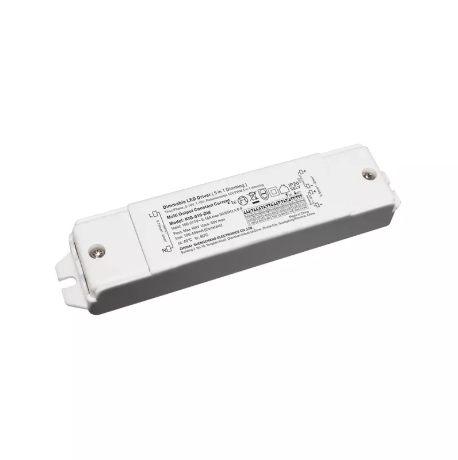
Constant current LED drivers regulate the current supplied to LEDs, ensuring consistent brightness and protecting them from overcurrent. They are commonly used in applications like floodlights, automotive, and architectural lighting to maintain reliable performance.
Constant Voltage LED Drivers
Unlike constant current drivers, constant voltage LED drivers provide a steady voltage output, typically in values like 12V or 24V, while the current supplied to the LED can vary depending on the load. These drivers are commonly used in applications like LED strips, MR16 spotlights, or other low-power LEDs that operate on a fixed voltage level. The current drawn by these LEDs changes depending on the number of LEDs in the system and the power requirements of the system as a whole.
For example, LED strips are widely used in both residential and commercial lighting, and they generally require a constant voltage driver to maintain a stable voltage supply to the strip. These drivers are often easier to install and more cost-effective compared to constant current LED drivers, as they do not need to regulate the current, making them a suitable choice for simpler, low-power applications.
Hybrid LED Drivers
Hybrid LED drivers are versatile drivers that can adapt to both constant voltage and constant current needs, depending on the application. These drivers are beneficial in more complex systems where different sections may require different types of power regulation. For example, a hybrid driver could be used in a lighting installation where both high-power and low-power LEDs are present, providing flexibility and reducing the need for multiple types of LED drivers in one system. These drivers offer an efficient solution for managing various types of LED setups, streamlining the design and reducing the complexity of installation.
Why Not All LED Drivers Are Constant Voltage
LED Electrical Characteristics
LEDs have unique electrical characteristics that distinguish them from traditional lighting technologies. Unlike incandescent or fluorescent bulbs, which operate on relatively stable power requirements, LEDs require precise control over the amount of current flowing through them. Their electrical characteristics make them sensitive to fluctuations in voltage. If the voltage is unstable or too high, it can cause excessive current to flow through the LED, potentially damaging it.
To prevent these issues, constant current LED drivers are essential for applications where the LEDs’ behavior could lead to failure or performance degradation. On the other hand, constant voltage drivers are more suited for simpler applications, where the LEDs already have built-in current regulation within their circuits, such as in LED strips.
The Necessity of Current Control for High-Power LEDs
For high-power LEDs, current regulation is particularly crucial. Constant voltage drivers, while suitable for low-power applications, are not ideal for high-power systems because they cannot manage the current as effectively. High-power LEDs are designed to operate within a narrow current range, and any deviation from this can cause damage. If a constant voltage LED driver is used, the current might exceed the LED’s rated capacity, leading to overheating and even thermal runaway.
In these high-power applications, constant current drivers are indispensable. They ensure that the LED receives a consistent and stable current regardless of the input voltage variations, ensuring that the LED operates efficiently and safely. For example, in large floodlighting systems or automotive headlights, the need for current control is critical to ensuring the LEDs' longevity and consistent brightness over time.
Application-Specific Needs
The type of LED driver required depends largely on the specific application. For simpler, lower-powered applications such as LED strips, MR16 spotlights, and small decorative lighting, constant voltage drivers are typically sufficient. These LEDs are often designed to work with a specific voltage, and the current regulation is handled within the LED circuits themselves.
However, more demanding applications, such as high-power outdoor lighting, streetlights, and industrial applications, require constant current drivers to ensure that the LEDs are receiving the appropriate amount of current for safe and efficient operation. These applications often involve LEDs that are subjected to varying environmental conditions, and precise current control is needed to prevent any damage or degradation.
Advantages and Disadvantages of Constant Voltage and Constant Current LED Drivers
Advantages of Constant Voltage Drivers
● Simpler Installation: Constant voltage LED drivers are easier to install, especially in applications like LED strips or MR16 spotlights, where the voltage requirements are fixed and the current can vary.
● Lower Cost: These LED drivers are more cost-effective for low-power applications, as they do not require sophisticated current regulation, reducing their overall complexity and price.
● Wide Compatibility: Constant voltage drivers work well with a wide range of LEDs designed for specific voltage requirements, such as 12V or 24V systems, making them versatile and convenient for basic lighting setups.
Advantages of Constant Current Drivers
● Precise Current Regulation: Constant current LED drivers provide accurate regulation of current, ensuring that high-power LEDs operate efficiently and remain within safe operating conditions, preventing damage.
● LED Longevity: By maintaining a stable current, constant current drivers help extend the lifespan of LEDs, preventing issues like overheating and ensuring that the LEDs deliver consistent brightness over time.
● Efficient Performance: Constant current LED drivers optimize energy usage by preventing unnecessary power consumption and reducing energy waste, leading to better overall efficiency.
Disadvantages of Constant Voltage Drivers
● Inability to Regulate Current: These LED drivers are not capable of regulating current, making them unsuitable for applications where precise current control is necessary, particularly with high-power LEDs.
● Potential Overheating: Without proper current regulation, LEDs may draw more current than needed, leading to overheating and potential damage over time.
● Limited Application Scope: Constant voltage LED drivers are generally only suitable for low-power LEDs and simpler setups, making them less versatile in more complex lighting systems.
Disadvantages of Constant Current Drivers
● More Complex Installation: Installing a constant current LED driver can be more complicated than using a constant voltage driver, particularly in applications where the current needs to be precisely controlled.
● Higher Cost: Constant current drivers tend to be more expensive due to their advanced circuitry, which is required for precise current regulation.
● Limited Flexibility: These LED drivers are typically designed for specific current ratings, limiting their flexibility in diverse applications where voltage regulation may be more important.
Feature | Constant Voltage Drivers | Constant Current Drivers |
Current Regulation | No current regulation, current varies with load | Regulates the current precisely |
Ideal for | Low-power LEDs, LED strips | High-power LEDs, floodlights, automotive lighting |
Installation Complexity | Easy to install | More complex installation |
Cost | Less expensive | More expensive due to advanced circuitry |
Efficiency | Less efficient with high-power LEDs | Higher efficiency, reduces energy waste |
Compatibility | Suitable for LEDs designed for fixed voltage | Suitable for a wide range of LED types requiring precise current control |
Risk of Overheating | Risk of overheating if current exceeds LED's rating | Minimizes risk of overheating |
How to Choose the Right LED Driver for Your Project
Understanding Voltage and Current Requirements
The first step in selecting the right LED driver is understanding the voltage and current requirements of your LED system. If your LED setup requires a fixed voltage (e.g., 12V or 24V), a constant voltage driver is the right choice. For high-power LEDs or applications requiring precise current control, a constant current driver is necessary to prevent overdriving and ensure optimal performance.
Application Scenarios for Constant Voltage
Constant voltage drivers are ideal for applications like LED strips, MR16 spotlights, and small, low-power LEDs. These LEDs are typically designed to operate on a specific voltage, and the current is regulated within the LED system itself. For these simpler applications, constant voltage drivers are a cost-effective and efficient choice.
When to Use a Constant Current Driver
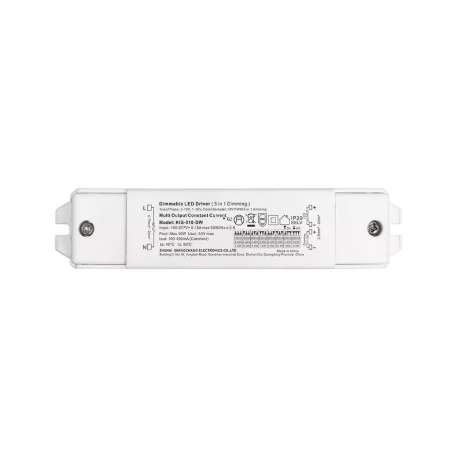
Constant current drivers are the best choice for high-power LED applications such as floodlights, streetlights, and automotive lighting. These systems require precise current regulation to ensure that the LEDs receive the correct amount of current, maintaining consistent brightness and preventing overheating or premature failure.
Can You Use a Constant Voltage LED Driver for All LED Types?
Compatibility Issues
Constant voltage LED drivers are not suitable for all types of LEDs. High-power LEDs or those requiring precise current regulation cannot be effectively powered by constant voltage drivers. These LEDs need a constant current driver to ensure that the current remains stable, preventing damage and ensuring optimal performance.
Custom Solutions and Modifications
In some cases, you can adapt a constant voltage driver for use with other types of LEDs by adding external components like resistors or capacitors to regulate the current. However, this requires a good understanding of the LED system’s electrical characteristics and may not be as reliable as using a dedicated constant current driver.
Conclusion
In conclusion, selecting the correct driver is paramount. For projects requiring reliable, high-performance drivers—whether constant voltage or constant current—working with a trusted manufacturer like Zhuhai Shengchang Electronics Co., Ltd. can provide the assurance of quality and compatibility for both low-power and demanding high-power LED applications.
FAQ
Q: Are all LED drivers constant voltage?
A: No, not all LED drivers are constant voltage. Some LED drivers are constant current, and they regulate the current supplied to LEDs for better performance, especially in high-power applications.
Q: What is the difference between constant voltage and constant current LED drivers?
A: Constant voltage LED drivers provide a stable voltage, while constant current drivers regulate the current supplied to LEDs, ensuring optimal performance and preventing overheating.
Q: When should I use a constant current LED driver?
A: Constant current LED drivers are ideal for high-power LEDs where precise current regulation is needed to prevent damage and ensure consistent brightness.
Q: Why do I need a constant voltage LED driver?
A: Constant voltage LED drivers are suitable for low-power LED setups like LED strips, where a stable voltage is required but current can vary based on the load.
Q: How do I choose the right LED driver for my project?
A: Choose a constant current driver for high-power LEDs and a constant voltage driver for low-power applications like LED strips to ensure proper performance and longevity.


